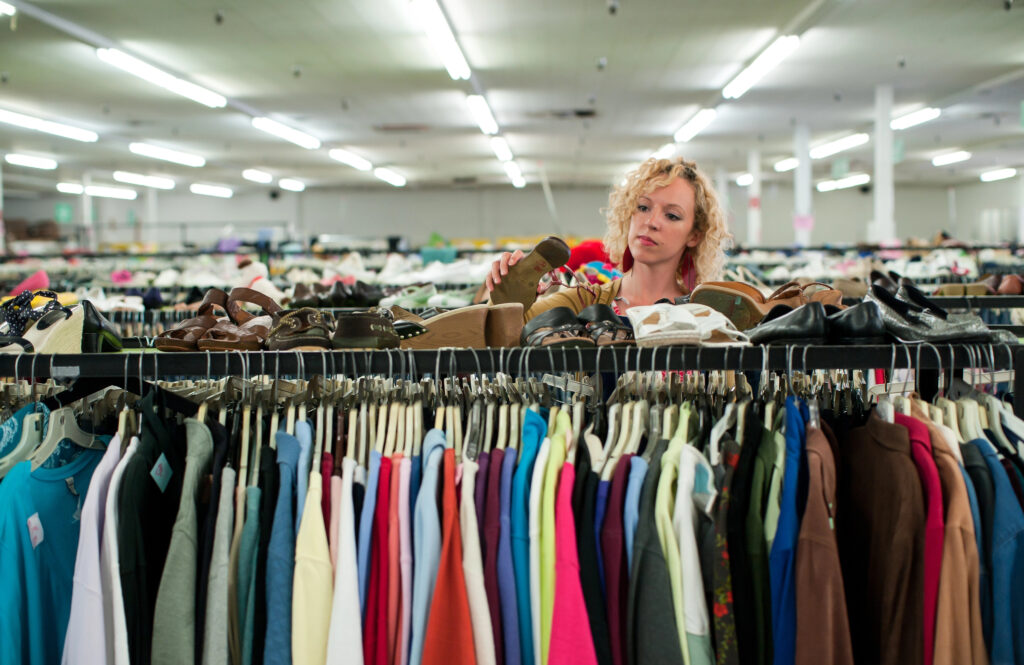

Thrifting isn’t just a fun treasure hunt. It’s also one of the smartest ways to save money, live sustainably, and find unique items you can’t get anywhere else. Whether you’re a seasoned bargain hunter or new to the world of second-hand shopping, these tips will help you score the best deals and find hidden gems.
1. Go in With an Open Mind
The beauty of thrifting is that you never know what you’ll find. Don’t go in looking for one specific item or you might miss out on amazing deals. Instead, browse every section, and you might discover a designer coat in the men’s aisle or a gorgeous vase tucked in with kitchenware.
2. Learn the Sale Days
Many thrift stores have special discount days, color tag sales, or loyalty programs. Ask employees when the best sales happen so you can plan your trips accordingly. (For more frugal shopping ideas, check out Old-Fashioned Money-Saving Tips.)
3. Inspect Everything Carefully
Before you buy, check for stains, holes, missing buttons, or broken zippers. Minor issues can often be fixed, but you don’t want to bring home something unwearable. For electronics or small appliances, plug them in or ask if the store tests items before selling.
4. Think Beyond the Obvious
Sometimes an item’s potential isn’t immediately visible. A long dress can be hemmed into a skirt. A vintage picture frame can become a jewelry display. Think creatively; upcycling can save you even more money and give old items new life.
5. Know Your Brands and Fabrics
If you’re thrifting to resell or simply want quality pieces, pay attention to brand tags and fabric content. Natural fibers like wool, cotton, and linen usually last longer than synthetics. (If you’re thinking of flipping your finds, read How To Make Money Selling Old Jewelry for inspiration.)
6. Dress for Success
Wear comfortable clothes and shoes so you can move easily through the racks. If the fitting rooms are limited, wear a tank top or leggings so you can try things on quickly.
7. Bring Cash or Reusable Bags
Some smaller thrift shops offer a cash discount or don’t accept cards. And bringing your own reusable bags is not only eco-friendly but also saves you from paying for one at checkout.
8. Check Multiple Locations
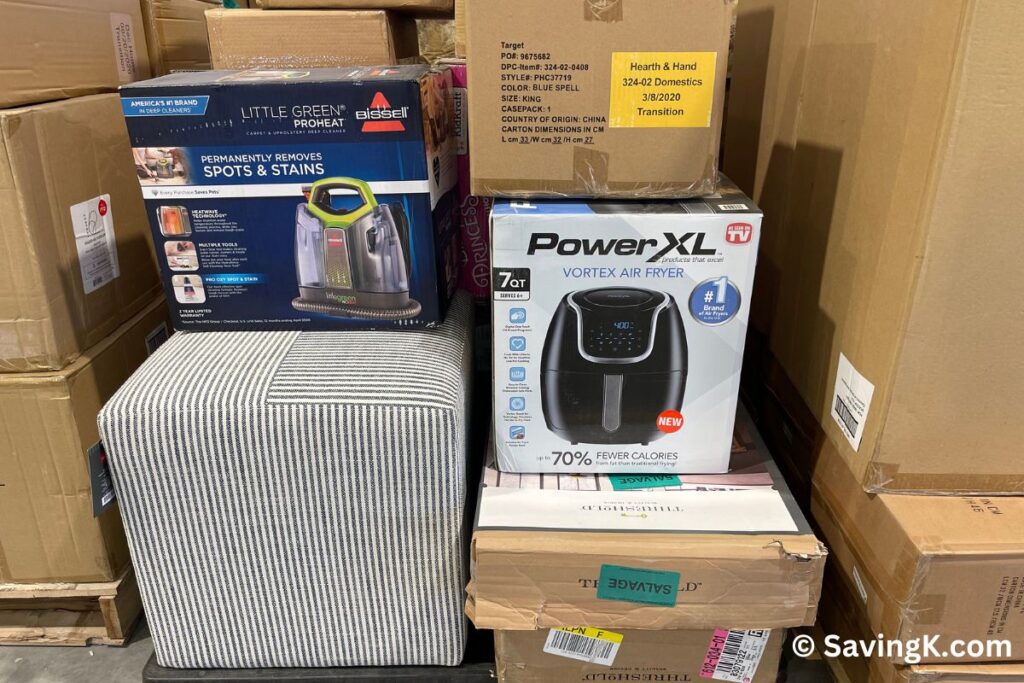
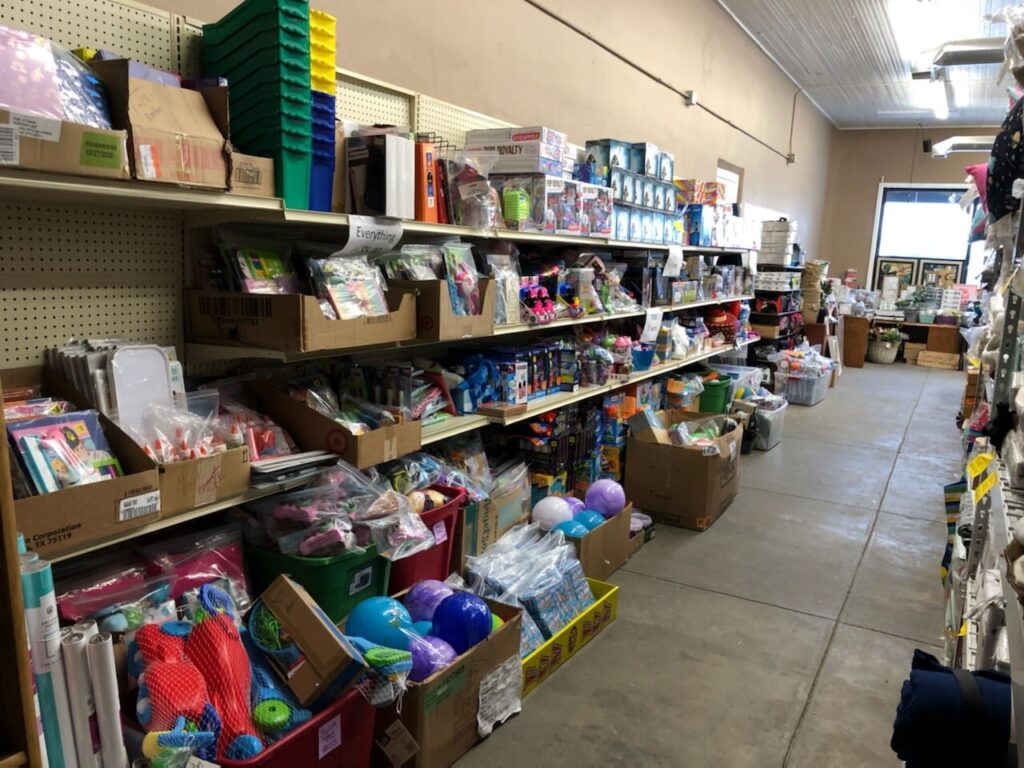
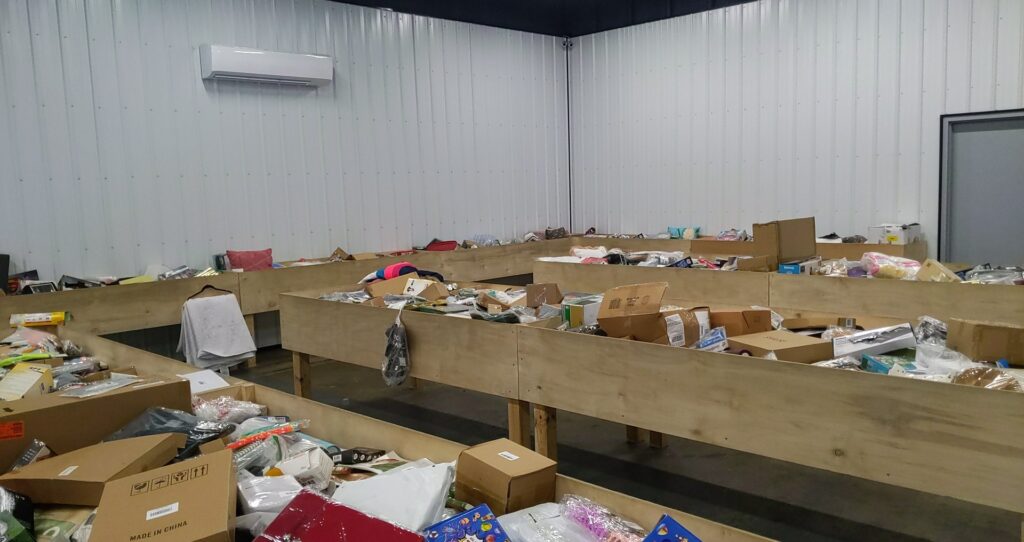
If you have a few thrift stores nearby, rotate between them. Inventory changes constantly, and what one store lacks, another may have in abundance. You can also check out local bin sales, liquidation stores, or flea markets for even deeper discounts.
9. Follow Your Favorite Stores Online
Many thrift and consignment shops now post new arrivals or sale alerts on Facebook or Instagram. Following them helps you be the first to know when something special hits the floor.
10. Don’t Overbuy
It’s easy to get caught up in the thrill of cheap prices, but remember, clutter isn’t a deal. Stick to what you truly love or need, and your home (and wallet) will thank you.
Final Thoughts
Thrifting is part adventure, part savings strategy. You never know when you’ll uncover a designer handbag, vintage record, or home décor piece for a fraction of retail. With these second-hand shopping tips, you’ll be thrifting like a pro in no time and saving money along the way.