

Most side hustles do need some form of business insurance, especially once they bring in steady income, involve customers, or depend on inventory or a car. Many people assume their homeowners or renters policy covers them, but those policies leave big gaps once money changes hands. The good news is that protecting a side gig often costs less than expected.
Why Your Home Insurance Won’t Protect Your Side Hustle
According to the Insurance Information Institute, a typical homeowners policy covers only about $2,500 in business equipment at home and $250 away from it. That limit can be exceeded quickly if you have a garage full of inventory or a professional camera.
Liability is an even bigger problem, since home policies usually don’t cover a customer or supplier who gets hurt on your property. Moreover, a standard policy won’t replace lost income if a fire or storm forces the business to pause. Keeping a side business quiet can even lead to a denied claim. Before anything else, call your insurer and explain what you do.
5 Side Hustles That Need Coverage the Most
Some gigs carry more risk than others, so make coverage a priority if yours appears on this list:
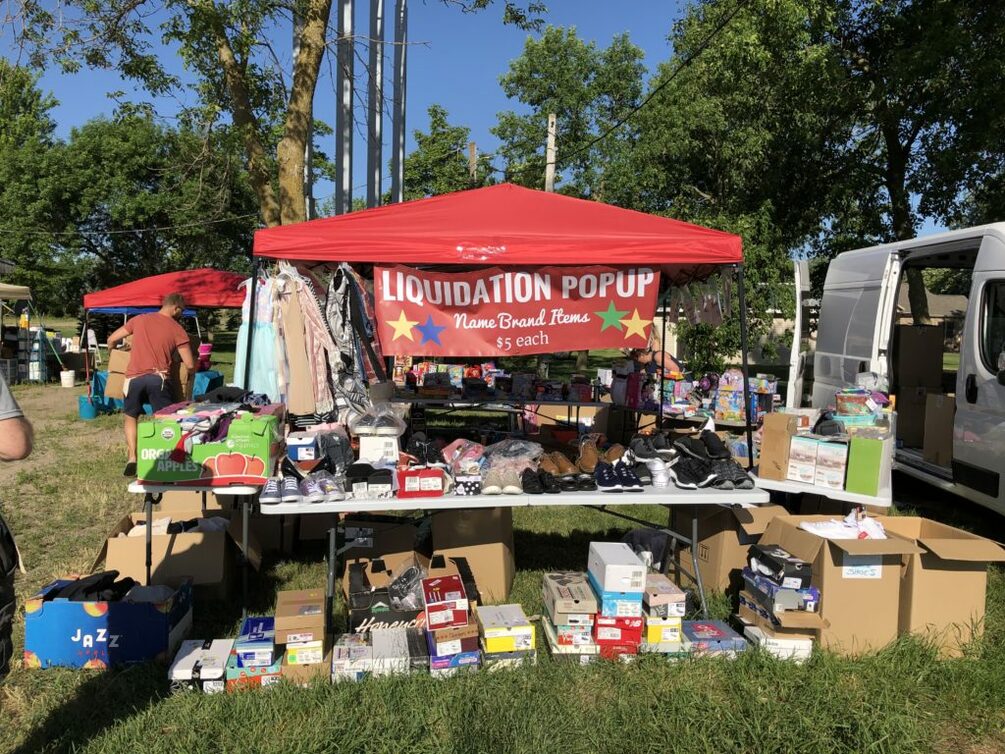
- Reselling and online selling: Reselling is one of the most popular side hustle ideas, but it means storing inventory at home and taking on liability for the products you sell. One fire or theft could wipe out months of liquidation finds.
- Delivery and rideshare driving: Apps like Uber, Lyft, and DoorDash provide some liability protection, but only during certain parts of a shift. Ask about a rideshare endorsement or commercial auto coverage to fill the gaps.
- Services in other people’s homes: Cleaning, handyman work, and pet sitting put you around someone else’s belongings. One broken heirloom could cost more than a month of earnings.
- Clients visiting your home: Tutoring, hair styling, and personal training bring business guests through the front door. If a client trips on the steps, homeowners coverage likely won’t pay.
- Freelance and consulting work: Bookkeepers, virtual assistants, and designers can face claims when a mistake costs a client money. Professional liability insurance covers these lawsuits.
Your Business Insurance Options
Most side hustlers choose from three main coverage options:
- Homeowners endorsement: This add-on can raise business equipment coverage from $2,500 to $5,000 for as little as $25. It works well for low-risk gigs with minimal equipment.
- In-home business policy: This option offers higher property limits and some liability protection for a growing business.
- Business owners policy (BOP): A BOP bundles general liability and property coverage into one policy, making it a solid choice for sellers and service providers.
Insurers vary widely in which businesses they will cover, so it’s wise to compare several options. An independent agency like Circadian Insurance Brokers can shop multiple carriers to find coverage that fits your gig and budget.
How To Keep Your Costs Low
Start with an endorsement if your risk is low, and choose limits that match what your equipment and inventory are actually worth. Review your coverage every year as your income grows. Agency websites like circadianbrokers.com also let you start a quote online with a few basic details. Business insurance premiums are generally tax-deductible when the coverage is ordinary and necessary for your work, so check with a tax professional.
Endnote
If your side hustle makes money, it needs the same protection as any other business. A small policy today can keep a lawsuit or loss from wiping out months of hard work. Take a few minutes this week to review your coverage and close the gaps before you need it.