

Debt can quickly become overwhelming, especially when you’re juggling multiple credit cards, personal loans, and other monthly bills. High interest rates can make it feel like you’re barely making progress, even when you’re paying on time.
Fortunately, a debt management payment plan may help you regain control of your finances, simplify your payments, and potentially save thousands of dollars in interest.
But how do these plans work, and are they worth it? Here’s what you need to know before signing up.
What Is a Debt Management Payment Plan?
A debt management plan (DMP) is a structured repayment program designed to help people pay off their unsecured debts, particularly credit card balances.
These plans are typically administered by nonprofit credit counseling agencies that work with your creditors to negotiate more manageable repayment terms.
Instead of making several payments to different creditors each month, you make one monthly payment to the credit counseling agency. The agency then distributes that money to your creditors.
Depending on your creditors and financial situation, a debt management plan may help you:
-
Lower your credit card interest rates.
-
Reduce or eliminate certain fees.
-
Combine multiple payments into one.
-
Establish a predictable payoff schedule.
-
Save money on interest over time.
Unlike debt settlement, a debt management plan generally involves repaying the full amount you owe, often with reduced interest charges.
How Do Debt Management Plans Work?
Getting started with a debt management plan is usually straightforward.
1. Review Your Financial Situation
First, you’ll meet with a credit counselor who reviews your income, expenses, debts, and financial goals.
The counselor will help determine whether a debt management plan fits your budget or whether another debt repayment strategy would work better.
2. Negotiate With Creditors
If you decide to enroll, the counseling agency contacts participating creditors to request more favorable repayment terms.
Creditors may agree to reduce interest rates, waive fees, or adjust payment requirements. However, these benefits aren’t guaranteed.
3. Make One Monthly Payment
Once the plan is established, you’ll make a single monthly payment to the credit counseling agency.
The agency distributes the money to your creditors according to the agreed-upon schedule.
4. Continue Until Your Debt Is Paid Off
Most debt management plans take approximately three to five years to complete, depending on your total debt and repayment terms.
Consistent payments are essential to keeping the plan on track.
How Much Money Can a Debt Management Plan Save?
One of the biggest advantages of a debt management plan is the potential to reduce interest charges.
For example, imagine you have $15,000 in credit card debt with an average interest rate of 24%.
If you qualify for a reduced rate of 8%, the difference could be significant.
Here’s an illustrative comparison assuming a fixed rate, no additional purchases, and repayment over 60 months:
| Regular Credit Card | Debt Management Plan | |
|---|---|---|
| Starting debt | $15,000 | $15,000 |
| Interest rate | 24% | 8% |
| Monthly payment | $432 | $304 |
| Total interest | $10,891 | $3,249 |
Figures are approximate and exclude debt management program fees. Actual creditor concessions and savings will vary.
In this example, the debt management plan could save approximately $7,600 in interest over five years.
Those savings could help you rebuild your emergency fund, prepare for retirement, or simply enjoy more breathing room in your monthly budget.
What Types of Debt Qualify?
Debt management plans primarily focus on unsecured debt, which is debt that isn’t backed by collateral.
Common examples include:
-
Credit card balances.
-
Certain personal loans.
-
Medical bills.
-
Some unsecured lines of credit.
-
Certain other unsecured obligations, depending on the creditor.
Mortgages, auto loans, and other secured debts generally cannot be included in traditional debt management plans. Federal student loans also have separate repayment options and generally aren’t included.
A credit counselor can help determine which of your debts qualify.
Pros and Cons of Debt Management Payment Plans
Before enrolling, it’s important to understand both the benefits and potential drawbacks.
| Advantages | Disadvantages |
|---|---|
| One predictable monthly payment | Setup and monthly fees may apply |
| Potentially lower interest rates | Credit cards may need to be closed |
| Less interest paid over time | Requires consistent payments |
| Clear debt payoff timeline | Usually takes several years |
| Guidance from a credit counselor | Not every creditor participates |
A debt management plan isn’t a quick fix. However, it can provide structure and accountability for people struggling to make progress on their balances.
Will a Debt Management Plan Hurt Your Credit Score?
Enrolling in a debt management plan doesn’t automatically damage your credit score, but it can affect your credit in several ways.
For example, some creditors require you to close credit card accounts when entering a plan. Closing accounts can affect your available credit and credit utilization ratio.
On the positive side, making consistent, on-time payments and reducing your balances may improve your credit profile over time.
The overall impact depends on your existing credit history, creditor reporting practices, and how successfully you complete the plan.
Debt Management vs. Debt Consolidation vs. Debt Settlement
These three debt relief strategies are often confused, but they work differently.
Debt management: You work with a credit counseling agency to repay existing debts under potentially improved terms. You don’t take out a new loan.
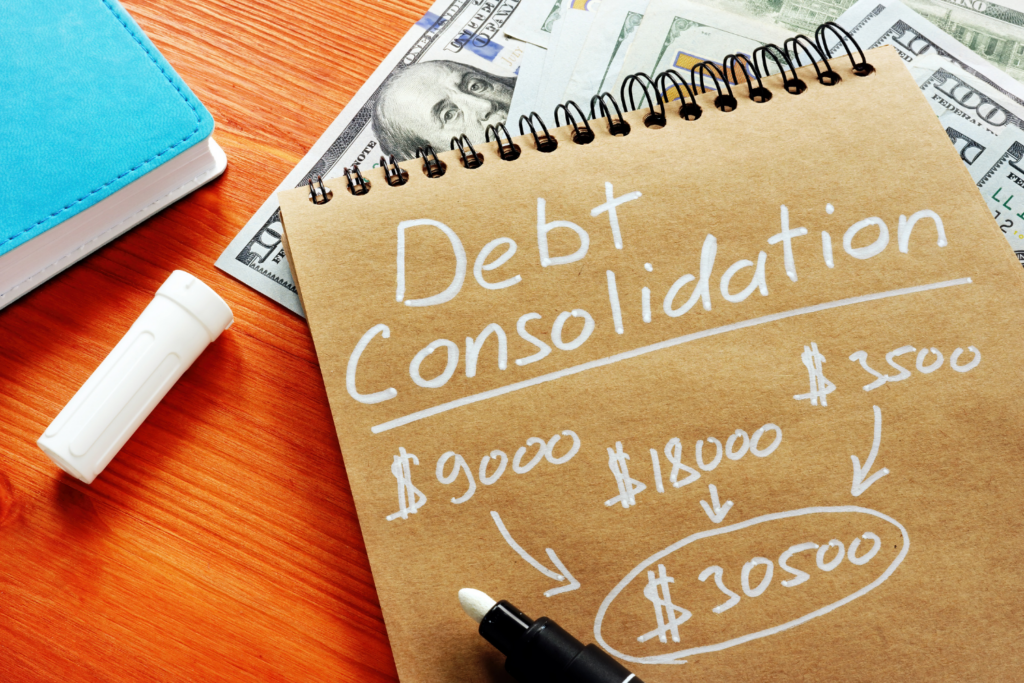
Debt consolidation: You combine multiple debts into one new loan or balance transfer account. This may simplify payments, but your savings depend on the new interest rate and fees.
Debt settlement: You or a settlement company attempt to negotiate repayment for less than the full balance owed. This approach can involve missed payments, collection activity, credit damage, and potential tax consequences.
For people who can afford regular payments but struggle with high interest rates, a debt management plan may offer a more predictable alternative to debt settlement.
How Much Does a Debt Management Plan Cost?
Although many credit counseling organizations are nonprofits, their services aren’t necessarily free.
Some agencies charge an initial setup fee and a monthly administration fee. Costs vary by provider, state, and financial circumstances.
Before enrolling, ask for a complete written breakdown of fees.
It’s also worth asking whether reduced or waived fees are available based on your income.
Remember that even a relatively small monthly fee adds up over several years, so include those costs when calculating your potential savings.
How to Find a Reputable Debt Management Company
Choosing the right organization is essential. Unfortunately, not every company advertising debt relief has your best interests in mind.
Start by researching established nonprofit credit counseling organizations.
Two helpful resources include:
-
National Foundation for Credit Counseling (NFCC), which connects consumers with nonprofit credit counseling services.
-
Financial Counseling Association of America (FCAA), which provides access to financial counseling organizations.
You can also review guidance from the Consumer Financial Protection Bureau.
Before signing an agreement, confirm that the organization explains its fees, reviews your financial situation, and provides a written repayment plan.
Be cautious of companies that guarantee debt elimination, pressure you into enrolling immediately, or advise you to stop paying creditors without explaining the consequences.
Also, confirm directly with your creditors that they’ve accepted the proposed payment arrangements before sending money to the agency.
Alternatives to Debt Management Plans
A formal debt management program isn’t the only way to tackle debt.
If you’d rather manage repayment yourself, consider these alternatives.
Debt Snowball Method
With the debt snowball method, you pay off your smallest balance first while making minimum payments on your other debts.
Once the smallest balance is paid off, you put that payment toward the next smallest debt.
This approach can help you build motivation through small victories.
Debt Avalanche Method
The debt avalanche method prioritizes debts with the highest interest rates.
By focusing extra payments on expensive debt first, you can often save more money on interest.
Negotiate Directly With Creditors
You don’t necessarily need a third party to request lower interest rates or hardship assistance.
Contact your credit card companies and ask whether they offer temporary interest reductions, hardship programs, or modified payment arrangements.
Some creditors may be willing to help, especially if you’re experiencing financial difficulties.
Balance Transfer Credit Cards
A credit card offering a promotional 0% APR period may help you pay down balances without accumulating additional interest during that period.
However, balance transfer fees and the interest rate after the promotion ends should be considered.
Is a Debt Management Payment Plan Right for You?
A debt management plan may be worth considering if you have substantial credit card debt, struggle with high interest rates, and have enough regular income to afford a structured monthly payment.
It may not be the best solution if you have very little disposable income, primarily secured debts, or balances you could realistically pay off within a few months.
Before committing, compare the total cost of the plan against other repayment strategies.
You should also make sure the proposed monthly payment leaves enough room for essentials such as housing, groceries, transportation, and a small emergency fund.
The goal isn’t simply to pay off debt. It’s to build a financial situation that allows you to stay out of debt afterward.
Final Thoughts
Debt management payment plans can be a valuable tool for people who feel trapped by credit card balances and high interest rates.
By potentially lowering interest charges, simplifying monthly payments, and providing a clear repayment schedule, these programs can make becoming debt-free feel more achievable.
However, they aren’t the right choice for everyone. Take time to compare your options, understand the fees, and work with a reputable credit counseling organization.
The best debt repayment plan is one you can realistically afford and stick with until your balances reach zero.