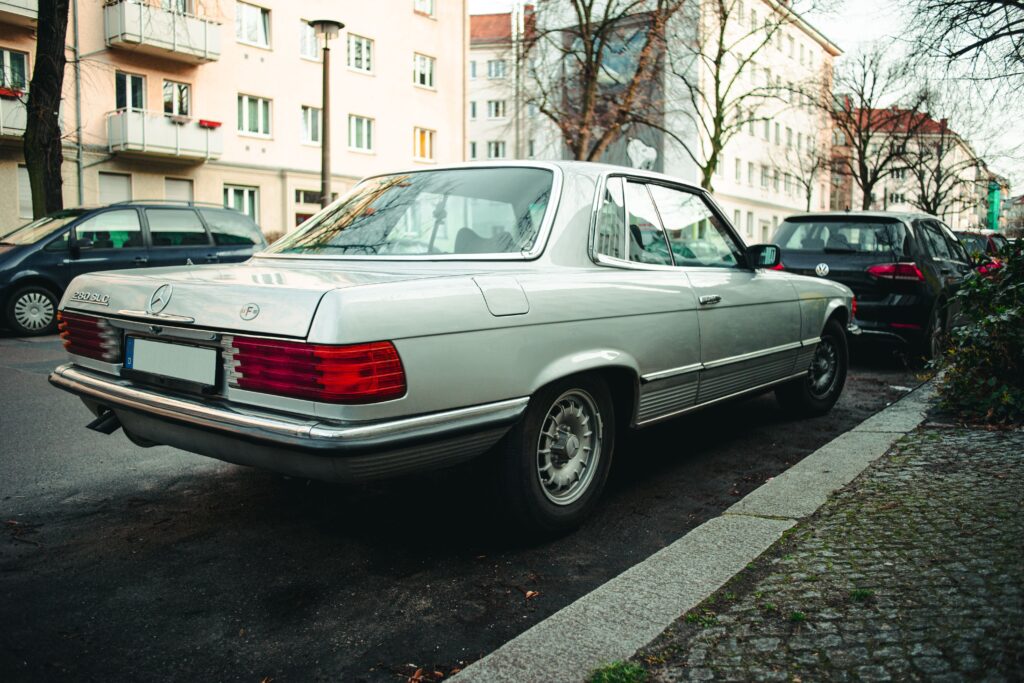

Buying a restored collector vehicle is not the same as buying a typical used car. The purchase price is only one part of the financial picture, and a lower upfront number does not always mean a better value. A vehicle that needs extensive mechanical or body work can exceed the cost of a finished restoration while also consuming months or years of the owner’s time.
The safest approach is to build a complete ownership budget before falling in love with a color, body style or online listing. That budget should account for acquisition, inspection, transportation, registration, insurance, storage and ongoing maintenance.
Understand what the restoration includes
The word restored can describe anything from fresh paint and upholstery to a full disassembly and rebuild. Ask for photographs, invoices and a written description of the mechanical, structural and cosmetic work. Determine whether corrosion was repaired correctly, which components were rebuilt and what remains original.
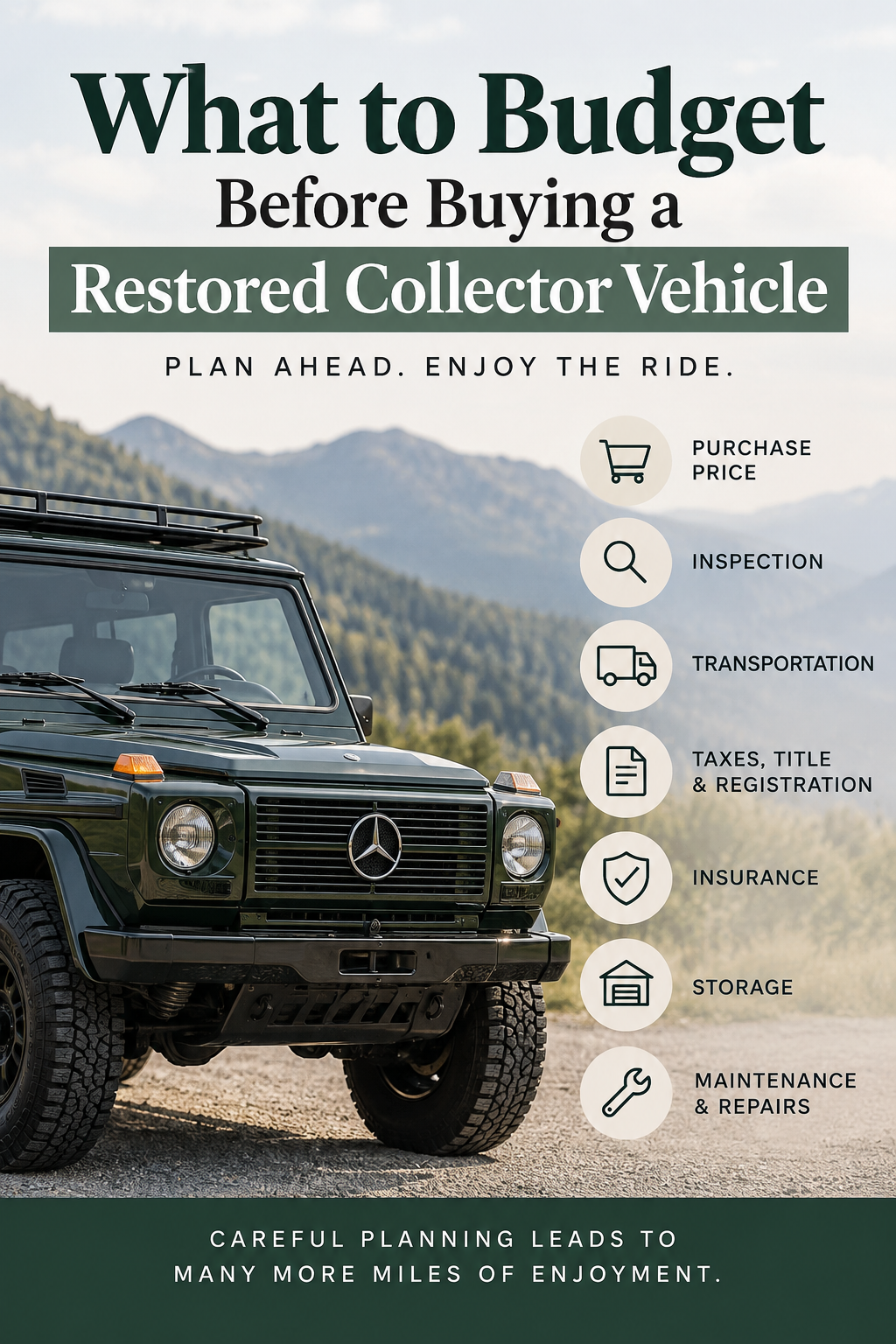
This is especially important with a utility vehicle such as a Mercedes-Benz Gelandewagen, because its working history and construction may require expertise that differs from the needs of a modern luxury SUV.
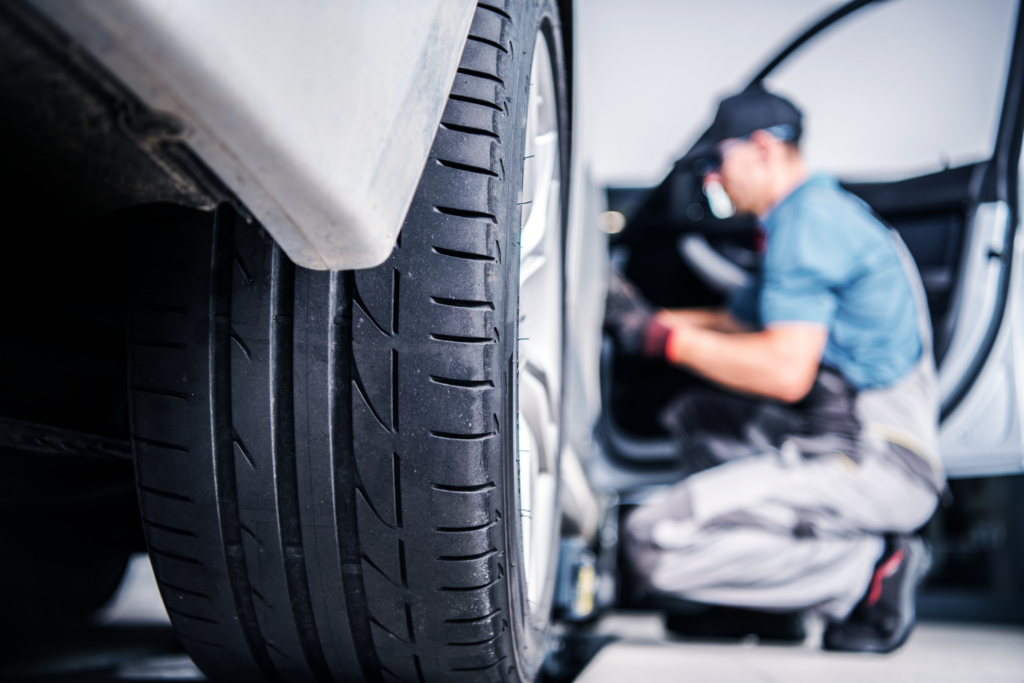
A professional pre-purchase inspection is worth budgeting for even when the seller provides extensive documentation. Choose an inspector who understands the specific model or at least vintage European four-wheel drives. The fee can reveal immediate repairs and help you compare the asking price with the vehicle’s actual condition.
Add the costs that listings leave out
Transportation can be significant if the vehicle is across the country. Enclosed shipping costs more than open transport but may be appropriate for a finished collector vehicle. Taxes, title fees and registration rules vary by location, so get local estimates before committing.
Insurance should also be quoted in advance. Collector policies may offer agreed-value coverage and lower premiums, but they can include mileage, storage or usage requirements. If the vehicle will be driven regularly, make sure the policy reflects that reality rather than choosing the cheapest option.
Protect your cash flow after the purchase
Even a well-restored vehicle needs maintenance. Rubber components age, fluids require service and specialized parts may take time to source. Set aside a dedicated repair reserve instead of relying on a general emergency fund. The right amount depends on the vehicle and expected use, but it should be large enough to handle an unexpected repair without creating credit-card debt.
Storage is another recurring expense. A secure, dry garage helps protect paint, upholstery and mechanical components. If that space is not available at home, include professional storage in the monthly ownership cost. Buyers in humid or coastal climates should pay particular attention to moisture control and corrosion prevention.
Buy for enjoyment first
Some collector vehicles appreciate, but no buyer should treat that outcome as guaranteed. Markets change, selling takes time and transaction costs reduce returns. A financially healthy purchase is one you can maintain and enjoy even if its value remains flat.
Before buying, calculate the full first-year cost and compare it with your other goals. If the purchase delays essential savings, requires high-interest debt or leaves no repair reserve, waiting is the better decision. A collector vehicle should add enjoyment to your life, not turn every drive into a financial worry. Careful planning makes it easier to appreciate the vehicle for what it is rather than depending on what it might someday be worth.