
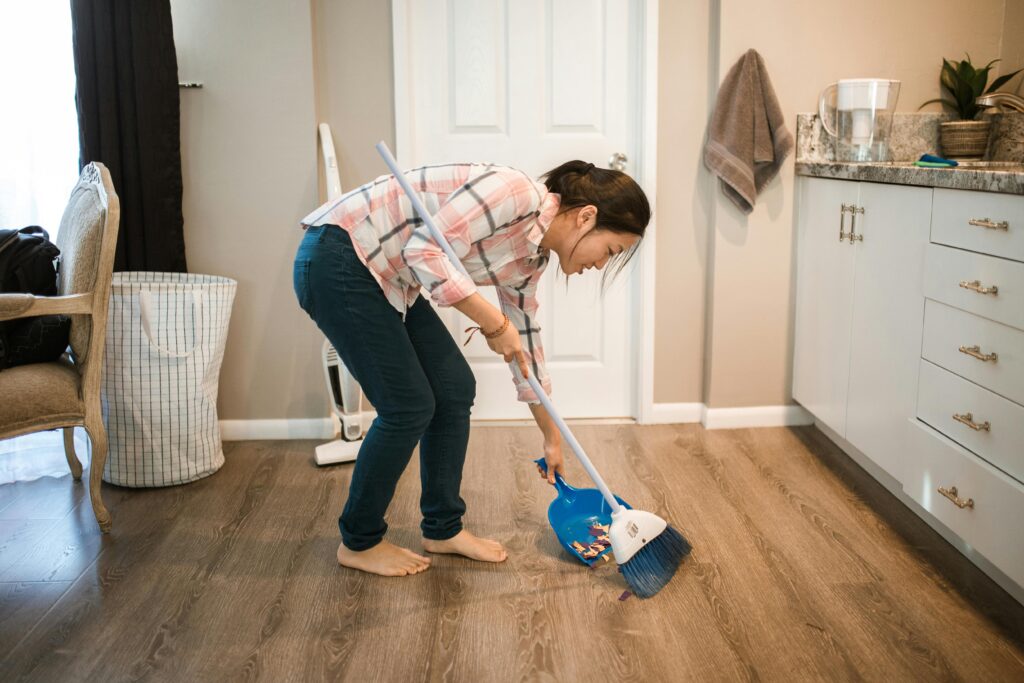

The term death cleaning might sound a little grim, but it’s really anything but. Known as döstädning in Sweden, this thoughtful practice is about decluttering your home and organizing your life before someone else has to do it for you. It’s a powerful way to take control of your space, protect your loved ones from future stress, and even save money in the process.
Whether you’re downsizing, simplifying your life, or planning ahead, here’s everything you need to know to get started.
What Is Death Cleaning?
Death cleaning is the process of decluttering and organizing your belongings so your loved ones aren’t overwhelmed with the task after you pass away. But don’t let the name scare you. This isn’t just for the elderly or the terminally ill. Anyone can benefit from streamlining their possessions and making intentional decisions about what they leave behind.
Why It Matters
- Eases the burden on your family: Sorting through a lifetime of stuff is emotionally exhausting. Death cleaning makes things easier.
- Encourages reflection: It’s a chance to revisit your values and what you truly need.
- Saves space and money: Less clutter means less to store, maintain, insure, and eventually dispose of.
- Boosts mental clarity: A tidy home can reduce anxiety and make day-to-day life more peaceful.
When Should You Start?
The best time to begin death cleaning? Now.
Whether you’re 35 or 75, it’s never too early to begin simplifying your life. Starting sooner gives you more time to make thoughtful decisions and enjoy the results of a lighter, more intentional lifestyle.
How To Start Death Cleaning
1. Start With the Easy Stuff
Begin with items that have little emotional value, like duplicate kitchenware, old paperwork, or expired products. Gaining momentum here will give you the confidence to tackle harder categories later.
2. Go Room by Room
Trying to declutter your entire home at once is overwhelming. Focus on one area at a time, such as your bathroom this weekend and your closet next.
3. Ask Yourself These Questions
- Do I use this regularly?
- Would someone else benefit from this more than I would?
- Would I want my loved ones to have to make a decision about this item?
4. Designate “Legacy” Items
Some things, like photo albums, letters, or family heirlooms, have personal or historical value. Label or document these items clearly, and consider writing a note about why they matter.
5. Create a Donation and Disposal Plan
Not everything needs to go in the trash. Donate gently used items, recycle where possible, and check if local charities or shelters are in need.
6. Keep Important Documents Organized
Use a labeled binder or folder system for wills, insurance info, account logins, and medical directives. This alone can save your family countless hours of confusion and stress.
Tips for a Smooth Death Cleaning Experience
- Tell your family: Let them know what you’re doing and why. It might inspire them to do the same!
- Set goals and limits: For example, reduce your wardrobe to X number of items or clear out one storage tote per week.
- Make it a habit: Schedule regular decluttering sessions—monthly or seasonally.
Death Cleaning Isn’t Just for You
It’s one of the kindest things you can do for the people who love you. Instead of leaving them with piles of stuff to sort through during a difficult time, you’re giving them space to grieve, reflect, and celebrate your life—without the chaos.
Final Thought
Death cleaning is not about morbid thoughts. It’s about living intentionally, honoring your life, and easing the load for others. Think of it as a practical, loving, and empowering gift to yourself and your family.