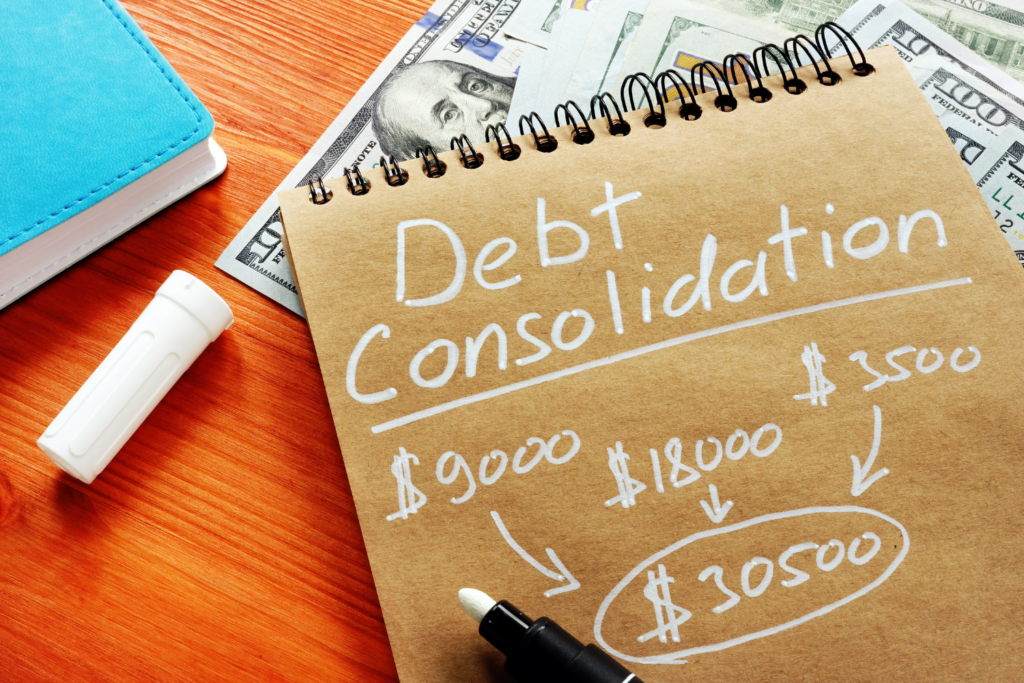


If juggling multiple credit cards, personal loans, or medical bills has you feeling overwhelmed, you’re not alone. Millions of Americans struggle with debt from various sources. Debt consolidation can be a helpful way to simplify repayment and take control of your finances, but it’s not a magic fix. Let’s break down how it works and the pros and cons to help you decide if it’s right for you.
What Is Debt Consolidation?
Debt consolidation is the process of combining multiple debts into one single loan or payment. Instead of paying several creditors each month, you make one monthly payment, often with a lower interest rate or longer repayment term.
Common methods include:
- Debt Consolidation Loans: A new personal loan used to pay off high-interest debts.
- Balance Transfer Credit Cards: Moving multiple credit card balances onto one card with a low or 0% introductory APR.
- Home Equity Loans or HELOCs: Borrowing against your home’s equity to pay off debt.
- Debt Management Plans: Arranged through credit counseling agencies, combining unsecured debts into one structured payment plan.
The Pros of Debt Consolidation
1. Simplifies Payments
Keeping track of one due date and one payment can make managing your finances much easier. It helps you stay organized and reduces the risk of missing a payment.
2. Potentially Lower Interest Rates
If your new loan or card offers a lower interest rate than your current debts, you can save money over time, especially if most of your debt is high-interest credit card debt.
3. Can Improve Credit Score (Over Time)
Paying off multiple revolving accounts and reducing your credit utilization ratio can boost your credit score, as long as you make on-time payments on the new consolidated loan.
4. May Reduce Monthly Payments
By extending the repayment term, your monthly payment may become more manageable, freeing up cash flow for other expenses or savings.
5. Provides a Clear Payoff Plan
Debt consolidation gives you a structured path to becoming debt-free. Instead of juggling different interest rates and timelines, you have a single end date in sight.
The Cons of Debt Consolidation
1. Doesn’t Eliminate the Debt Itself
Debt consolidation doesn’t erase what you owe; it just reorganizes it. You still have to repay the full amount, often over a longer period.
2. May Cost More Over Time
If your new loan extends your repayment term, you might end up paying more in total interest, even if the rate is lower.
3. Temptation to Accumulate New Debt
Once your old balances are cleared, it can be tempting to use those credit cards again which undoes your progress. Without disciplined budgeting, you could end up in even more debt.
4. Possible Fees and Penalties
Balance transfer cards often come with transfer fees (usually 3–5%), and personal loans can include origination fees or penalties for early repayment.
5. Requires Good Credit for Best Rates
If your credit score is low, you may not qualify for favorable terms, or worse, you could end up with a loan that doesn’t actually save you money.
When Debt Consolidation Makes Sense
Debt consolidation is most effective if:
- You have multiple high-interest debts.
- Your credit score qualifies you for a lower rate.
- You have a stable income to make consistent payments.
- You’re committed to not taking on new debt.
It might not be the best choice if you’re already struggling to meet minimum payments, have poor credit, or are at risk of defaulting. In that case, debt counseling or settlement options might be worth exploring.
Tips for Successful Debt Consolidation
✅ Compare offers from multiple lenders or credit cards.
✅ Check for hidden fees before signing.
✅ Automate payments to avoid missed due dates.
✅ Close or limit old accounts to resist overspending.
✅ Focus on building an emergency fund so you don’t rely on credit again.
The Bottom Line
Debt consolidation can be a powerful financial tool, but only when paired with responsible spending habits. It simplifies repayment, can lower your interest costs, and gives you a clear path toward becoming debt-free. However, it’s not a quick fix. Take time to understand your options, calculate the total costs, and commit to staying on track.
If used wisely, debt consolidation can help you turn financial chaos into clarity, one payment at a time.