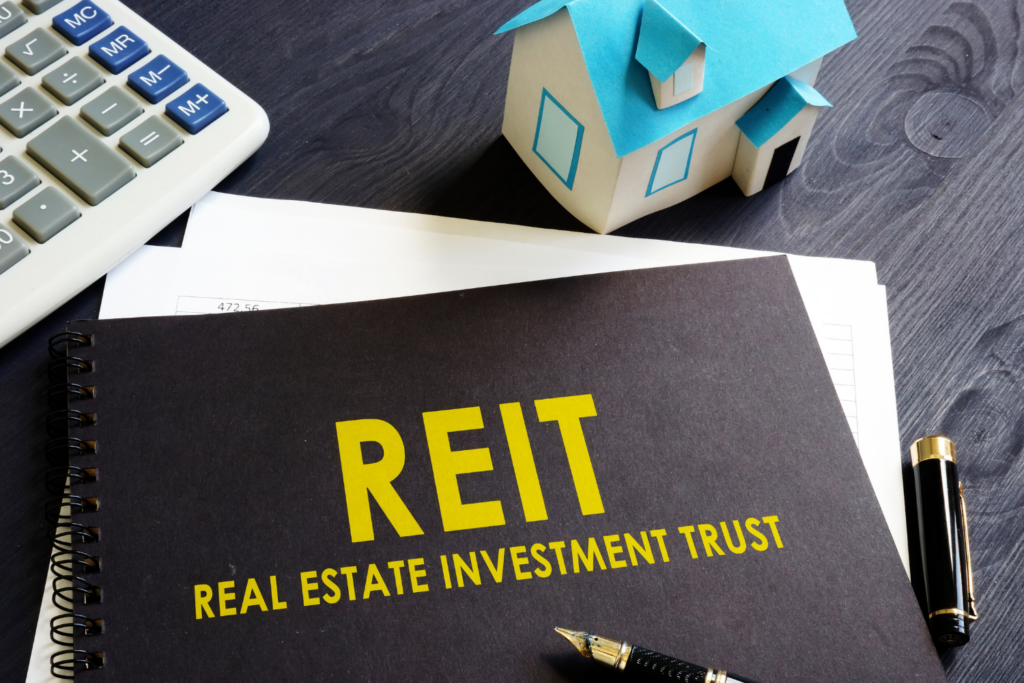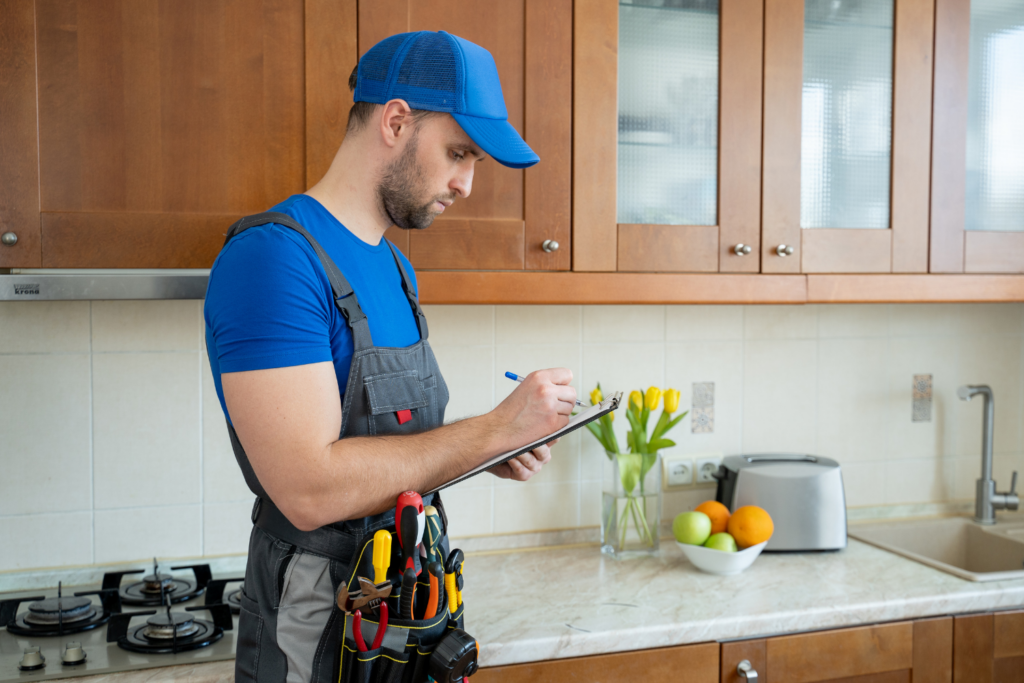


Real estate can be an incredible way to grow your money, build long-term wealth, and even create a stable source of passive income. But like any investment, there’s a right way and a wrong way (i.e. slumlord) to approach it.
Many new investors jump in without understanding how to properly manage a rental property. That’s when problems start. Poor maintenance, lack of communication, and ignoring tenant issues can quickly turn an investor into exactly what they don’t want to be: a slumlord.
The good news? It’s completely avoidable. With the right approach, you can be a responsible landlord, protect your investment, and provide safe, quality housing at the same time.
What Exactly Is a Slumlord?
A slumlord is a landlord who neglects their property, disregards tenant needs, and focuses solely on collecting rent. This might include ignoring repairs, poorly maintaining units, allowing unsafe conditions, or even evicting tenants without proper cause.
It’s harmful to the tenants, the community, and your reputation as an investor. If you want your investment to thrive, you need to do better, and it’s absolutely possible.
8 Practical Ways to Invest in Real Estate Without Becoming a Slumlord
Before you buy a rental property, here are the key habits to commit to:
1. Keep Your Property Maintained and Livable
A well-maintained property benefits everyone. Regular inspections, timely repairs, fresh paint, and clean spaces show tenants that you care. And in return, most tenants will take better care of the home.
A clean, safe, functional property also protects and increases your investment value. Neglecting issues only makes them more expensive down the road.
2. Screen Tenants Thoroughly
Good tenants make all the difference. Screen applicants with background checks, employment verification, and rental history. Look for consistent income, positive references, and responsible behavior.
Thorough screening saves you from late payments, property damage, and unnecessary stress.
3. Set Clear Rules and Expectations Up Front
A detailed lease sets the tone for your entire landlord-tenant relationship. Outline rent due dates, late fees, maintenance responsibilities, quiet hours, and any other rules important to your property.
Examples of common house rules:
- No smoking inside the home
- Pets allowed only with approval
- Rent due on the first of every month
- Late fees apply after a specified grace period
- All repairs must be reported promptly
- No illegal activities
- Quiet hours (ex: 11 p.m. to 7 a.m.)
Clear guidelines help prevent misunderstandings and keep your property running smoothly.
4. Respond to Tenants in a Timely Manner
Tenants appreciate communication. Whether it’s a repair request or a simple question, responding quickly builds trust and keeps small issues from turning into big ones.
When tenants feel ignored, frustration builds, and that leads to turnover, complaints, and unnecessary conflict.
5. Collect Rent Consistently
Your rental is a business, and rent needs to come in on time. Use online rent-collection tools, enforce late fees, and make the payment process easy.
Consistent rent collection ensures you can cover expenses like mortgages, taxes, insurance, and repairs.
6. Know When an Eviction Is Necessary
Evictions are never fun, but sometimes they’re unavoidable. Persistent nonpayment, serious lease violations, or property damage may require legal action.
Follow local laws carefully to protect yourself and avoid legal trouble. Eviction should always be your last resort, but it should still be an option when needed.
7. Treat Tenants Fairly and With Respect
Good landlords attract good tenants. Treat your tenants the same way you want to be treated: with respect, fairness, and clear communication.
Tenants who feel valued tend to stay longer, take better care of the property, and create fewer headaches for you.
8. Hire Professionals When You Need Help
Being a landlord can feel overwhelming, especially when you’re managing multiple properties or juggling a full-time job. There is no shame in hiring help.
Property managers, maintenance teams, accountants, and real estate professionals can simplify your workload and keep everything running smoothly. Sometimes outsourcing is the best investment you can make.
The Bottom Line
You can invest in real estate without becoming a slumlord. It comes down to maintaining your property, choosing responsible tenants, communicating clearly, and treating people with respect.
When you manage your rental the right way, your property stays profitable, your tenants stay happy, and your reputation stays intact.
If you commit to these habits, you’ll be well on your way to becoming a successful and ethical real estate investor.