

Saving for a house while paying rent can feel like trying to fill a leaky bucket, but it’s absolutely possible. Many renters struggle with balancing everyday expenses and long-term financial goals, but with a few smart strategies and consistent effort, it can be done. Here’s how one renter managed to save for a home without moving back in with family or sacrificing all of life’s little joys.
1. Treat Savings Like a Monthly Bill
The first step was setting up a separate high-yield savings account specifically for the down payment. By automating transfers every month, just as if it were a rent or utility bill, the money grew steadily without relying on willpower. Even modest contributions of $200–$300 per month added up faster than expected.
2. Find Creative Ways to Cut Rent
Since rent is typically the biggest expense, they looked for ways to lower it without uprooting their life. Sharing an apartment with a roommate, signing a longer lease for a small discount, or offering to handle minor maintenance tasks in exchange for reduced rent all helped free up cash for savings.
3. Track Spending and Set a Realistic Budget
By taking a hard look at where the money was going, it became clear that everyday spending, like daily coffee runs and impulse online buys, was adding up. Creating a detailed budget and setting a monthly “fun money” allowance helped reduce waste while still allowing for small treats.
4. Pay Off Small Debts First
Before focusing solely on saving, they tackled smaller credit card balances. Paying off debt not only freed up extra cash each month but also improved their credit score, making it easier to qualify for a better mortgage rate later.
5. Boost Income With Side Hustles
Extra income made a big difference. Selling unused clothes on Poshmark, taking online surveys, freelancing, and exploring other side gigs helped speed up the savings process. Those side hustles ended up covering part of the eventual closing costs.
6. Reduce Hidden Living Costs
Utilities, internet, and insurance often eat into a budget without much notice. Switching to energy-efficient light bulbs, comparing insurance quotes, and sharing streaming subscriptions with friends helped cut monthly costs. Even saving $50–$100 per month was enough to make a difference over time.
7. Research First-Time Homebuyer Programs
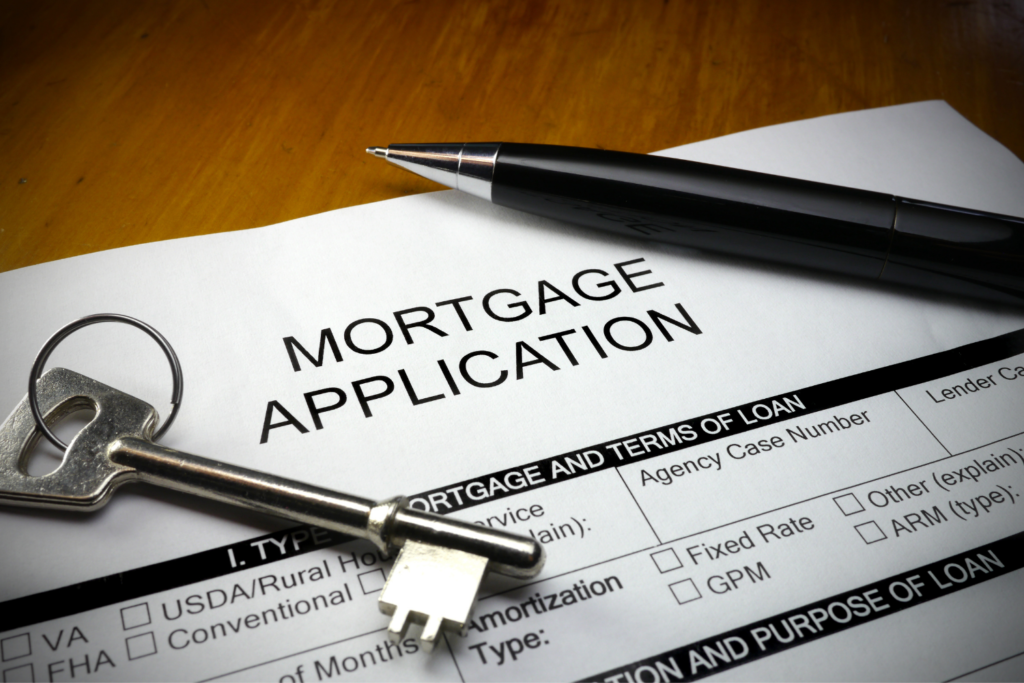
While saving, they explored local and state-level first-time homebuyer programs. Many of these offered grants, forgivable loans, or low-interest options, such as FHA loans, that reduced the down payment burden and made homeownership more attainable.
8. Stay Motivated With a Clear Vision
Saving for a house while renting isn’t just about numbers; it’s about mindset. Keeping a photo of a dream home on their vision board and tracking progress in a spreadsheet served as powerful motivation to keep going, even when the goal felt distant.
9. Stay Patient and Consistent
There were months when unexpected bills made saving difficult, but staying patient paid off. Progress didn’t happen overnight, but small, consistent deposits built lasting financial momentum.
Final Thoughts
Saving for a house while renting requires discipline, creativity, and patience, but it’s absolutely within reach. By automating savings, reducing unnecessary expenses, and finding ways to earn a little extra, renters can gradually build the foundation for homeownership.
Every journey begins with the first step, or in this case, the first $100 set aside for a dream home.