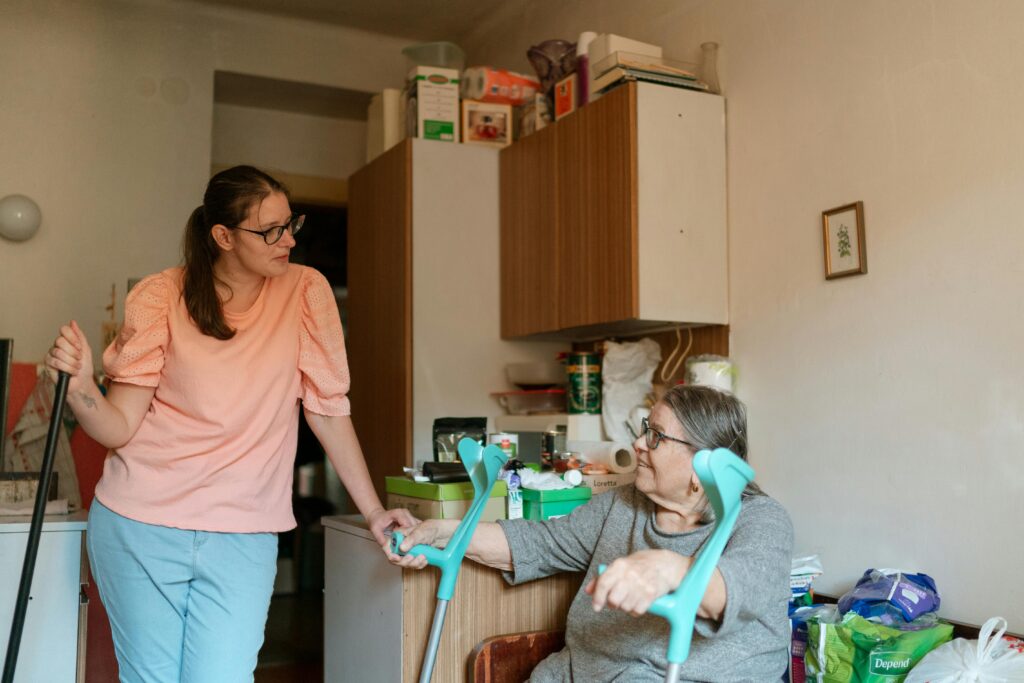

For many families, caregiving starts quietly. A few extra appointments. Helping with medications. Supervising daily routines. Then one day, caregiving becomes a full-time job wearing sweatpants and carrying a folder full of paperwork.
What many people do not realize is that some Medicaid programs allow family members to get paid for providing care to a disabled child, spouse, parent, or other loved one at home.
The rules vary by state, and the process can feel like navigating a maze built by accountants and dragons, but these programs can provide meaningful financial help for families already doing the work every day.
Can Medicaid Pay Family Caregivers?
Yes. In many states, Medicaid offers programs that allow family members to become paid caregivers for someone with disabilities, chronic illness, or long-term care needs.
These programs are often called:
- Consumer-directed care
- Self-directed care
- Medicaid waiver programs
- Home and Community-Based Services (HCBS)
- Personal Care Attendant programs
Instead of Medicaid only paying an outside agency, some programs allow the person receiving care to choose their own caregiver, including certain family members.
Who Can Become a Paid Caregiver?
This depends on the state and the specific Medicaid program, but caregivers may include:
- Parents of disabled children
- Adult children caring for elderly parents
- Spouses
- Siblings
- Other relatives or close friends
Some states have restrictions on spouses or legal guardians being paid. Others specifically allow parents of minors to receive compensation through certain waiver programs.
The eligibility rules can vary wildly from state to state, like weather forecasts in the Midwest.
What Types of Care Are Covered?
Paid caregiving usually involves non-medical daily support, such as:
- Bathing and dressing assistance
- Meal preparation
- Medication reminders
- Mobility assistance
- Transportation to appointments
- Supervision and safety monitoring
- Behavioral support
- Household tasks related to care
Some programs also allow payment for skilled nursing or specialized care if the caregiver has proper training or certification.
Medicaid Waiver Programs Explained
Many paid caregiver programs operate through Medicaid waivers, especially Home and Community-Based Services waivers.
These waivers help people receive care at home instead of moving into a nursing facility or institution. Medicaid often prefers this because home care can cost less than institutional care.
The waiver may provide:
- A monthly care budget
- Approved caregiving hours
- Access to respite care
- Home modifications
- Therapy services
- Medical equipment
The disabled individual is typically assessed to determine how many caregiving hours are approved.
Common Medicaid Programs That Pay Family Caregivers
Consumer-Directed Services (CDS)
These programs allow the Medicaid recipient to hire and manage their own caregivers.
The family caregiver may need to:
- Complete paperwork
- Pass background checks
- Track hours worked
- Use an approved payroll company
This is one of the most common ways family members become paid caregivers.
Home and Community-Based Services (HCBS)
HCBS waivers exist in nearly every state, although names and rules differ.
These programs help people remain in their homes while receiving assistance with daily living activities.
Some HCBS programs allow payment to family caregivers directly.
Cash and Counseling Programs
These programs provide participants with a care budget they can use more flexibly.
The individual receiving care may choose who provides services, including family members in some cases.
State-Specific Programs
Some states have unique programs with their own rules and names.
For example:
- California has IHSS (In-Home Supportive Services)
- New York offers CDPAP (Consumer Directed Personal Assistance Program)
- Many states have autism, developmental disability, or medically fragile child waivers
Searching for “[your state] Medicaid paid caregiver program” is often the fastest starting point.
How Much Do Family Caregivers Get Paid?
Pay rates vary significantly by state and program.
Many programs pay somewhere between minimum wage and around $20+ per hour depending on:
- Care level required
- State funding
- Program type
- Caregiver qualifications
Hours are usually capped based on assessed care needs.
This typically is not “get rich” money. It is more like “keep the lights on while doing emotionally exhausting work” money.
Still, for families already providing unpaid care, it can make a huge difference.
Does the Disabled Person Need Medicaid?
Usually, yes.
The person receiving care generally must:
- Qualify financially for Medicaid
- Meet disability or medical eligibility requirements
- Need assistance with daily living activities
Some waiver programs have waiting lists that can unfortunately stretch for months or even years.
How to Apply for Medicaid Caregiver Pay
The process usually looks something like this:
- Apply for Medicaid if not already enrolled
- Request a long-term care or waiver assessment
- Ask specifically about self-directed or consumer-directed programs
- Complete caregiver enrollment paperwork
- Undergo training or background checks if required
- Begin approved caregiving services and time tracking
Families often discover these programs accidentally through social workers, disability advocates, or other parents online. Medicaid offices do not always advertise them clearly.
Important Things to Know
Caregiver Pay May Affect Taxes
In some situations, caregiver income may be taxable. In others, certain payments can be excluded under IRS rules.
A tax professional familiar with Medicaid caregiver payments can help clarify your situation.
Waiting Lists Are Common
Many waiver programs have limited funding and long waiting lists.
Applying early can be important, even if services are not immediately available.
Documentation Matters
Families may need:
- Medical records
- Disability evaluations
- Care logs
- Proof of income
- Functional assessments
Keeping organized records can save major headaches later.
Final Thoughts
Family caregivers often perform the kind of work that keeps entire healthcare systems from collapsing like a folding table at a yard sale.
Medicaid programs that pay family caregivers will not solve every financial challenge, but they can provide meaningful support for families sacrificing time, income, and energy to care for loved ones at home.
If you are already providing daily care for a disabled child, aging parent, or family member with special needs, it may be worth exploring whether your state offers a program that can help compensate you for the work you are already doing.
FAQ
Can parents get paid by Medicaid to care for a disabled child?
Yes, some states allow parents to become paid caregivers through Medicaid waiver or self-directed care programs.
Can a spouse get paid as a caregiver through Medicaid?
Some states allow spouses to be paid caregivers, while others restrict this option.
How do I find Medicaid caregiver programs in my state?
Start by contacting your state Medicaid office and asking about:
- HCBS waivers
- Self-directed care
- Consumer-directed services
- Paid family caregiver programs
Is caregiver pay considered income?
Usually yes, although certain Medicaid waiver payments may receive special tax treatment under IRS rules.
Are there waiting lists for Medicaid caregiver programs?
Yes. Many waiver programs have limited spots and waiting lists can be long depending on the state.