
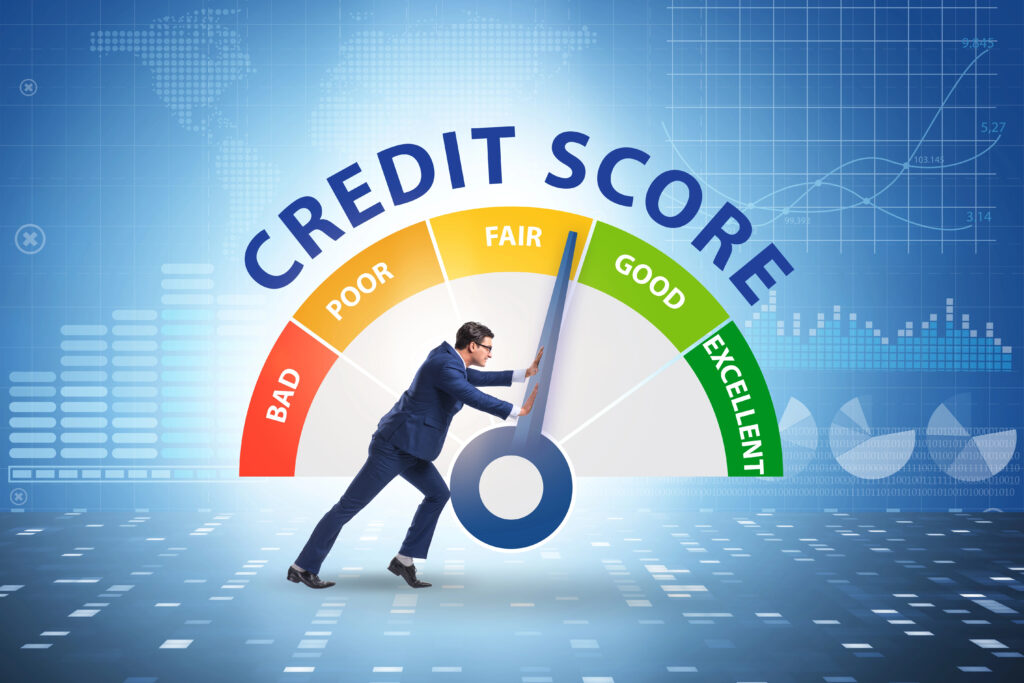

Improving your credit score is one of the smartest financial moves you can make. A higher score can unlock lower interest rates, better loan approvals, higher credit limits, and even cheaper car insurance. The good news is that anyone can optimize their credit score with the right strategies. This guide walks you through exactly how to do it, step by step.
What Is Credit Score Optimization?
Credit score optimization means taking deliberate actions to raise and maintain your credit score. Instead of reacting to credit problems after they happen, you proactively shape your credit profile so lenders see you as low-risk.
This includes managing your credit usage, paying on time, removing errors, and understanding how each part of your financial behavior impacts your score.
Know What Makes Up Your Credit Score
Your FICO score, the most commonly used type, is based on five main factors:
1. Payment History (35%)
This is the single biggest factor. Even one late payment can drag down your score for months. Setting up autopay or alarms for due dates can keep you on track.
2. Credit Utilization (30%)
This is how much of your available credit you’re using. Staying under 30 percent is good. Staying under 10 percent is ideal for optimization.
3. Length of Credit History (15%)
The longer your accounts have been open, the better. When possible, keep old accounts open to preserve your credit age.
4. Credit Mix (10%)
Lenders want to see you can handle different types of credit like credit cards, auto loans, or a mortgage. You don’t need one of everything, but diversity helps.
5. New Credit (10%)
Opening too many accounts in a short time leads to hard inquiries that hurt your score. Spread out applications strategically.
Start With Your Credit Reports
If you want to optimize your credit, you first need a clear picture of where you stand.
You can get a free report weekly at:
Review each report carefully and look for:
- Incorrect balances
- Wrong addresses or names
- Accounts you did not open
- Late payments that were paid on time
- Duplicated negative entries
If something is wrong, dispute it with the credit bureau that issued the report. Removing errors is often one of the fastest ways to boost your score.
Pay On Time, Every Time
Consistent on-time payments are the foundation of credit score optimization. The easiest ways to stay consistent include:
- Autopay for at least the minimum
- Calendar reminders for larger payments
- Paying bills early instead of waiting until the due date
Even if you’re catching up on old debts, making perfect payments going forward helps your score recover faster.
Lower Your Credit Utilization (The Fastest Hack)
If you want rapid improvement, lowering your credit usage often makes the biggest difference.
Ways to lower your utilization include:
- Paying down card balances
- Making multiple payments throughout the month
- Requesting a credit limit increase
- Moving purchases to debit instead of credit
- Paying down high-balance cards first
Your utilization is calculated both per card and across all cards, so try to keep both numbers as low as possible.
Avoid Closing Old Accounts
This is one of the biggest credit score mistakes people make. Closing an old credit card:
- Shortens your credit history
- Reduces total available credit
- Spikes your utilization percentage
If you want to stop using the card, simply keep it open with a zero balance or use it for one small recurring charge and pay it off.
Limit New Credit Applications
Hard inquiries stay on your report for about two years, but their biggest impact is during the first six months. When you’re working on credit score optimization, be selective about what you apply for.
If you’re shopping for a car or mortgage, do your rate shopping within a short period, usually 14–45 days, so it counts as a single inquiry.
Diversify Your Credit Slowly
If you only have one type of credit, adding another responsibly can improve your score. Examples:
- A low-balance credit card
- A credit-builder loan
- A store card you only use occasionally
Only add what you can manage comfortably.
Pay Off Collections (But Do It the Right Way)
If you have accounts in collections:
- Ask for a pay-for-delete arrangement (not all agencies will agree, but many will)
- Get everything in writing
- Pay the agreed amount and confirm deletion
Even if the collection isn’t removed, paying it shows lenders you’ve resolved the debt.
Monitor Your Progress
Free tools like Credit Karma, Experian, or your bank’s credit monitoring can help you stay on track. Watching your score grow can also keep you motivated.
How Long Does Credit Score Optimization Take?
It depends on where you’re starting:
- Fixing errors: 30–45 days
- Lowering utilization: Instant to 30 days
- Establishing on-time payments: 3–6 months
- Rebuilding after major issues: 6–24 months
Credit improvement is a marathon, not a sprint, but consistent actions lead to meaningful results.
Final Thoughts
Your credit score is one of your most powerful financial tools. With the right strategies, you can optimize it, protect it, and use it to save thousands in interest over your lifetime. Whether you’re getting ready to buy a home, refinance debt, or simply want better financial flexibility, credit score optimization gives you the upper hand.