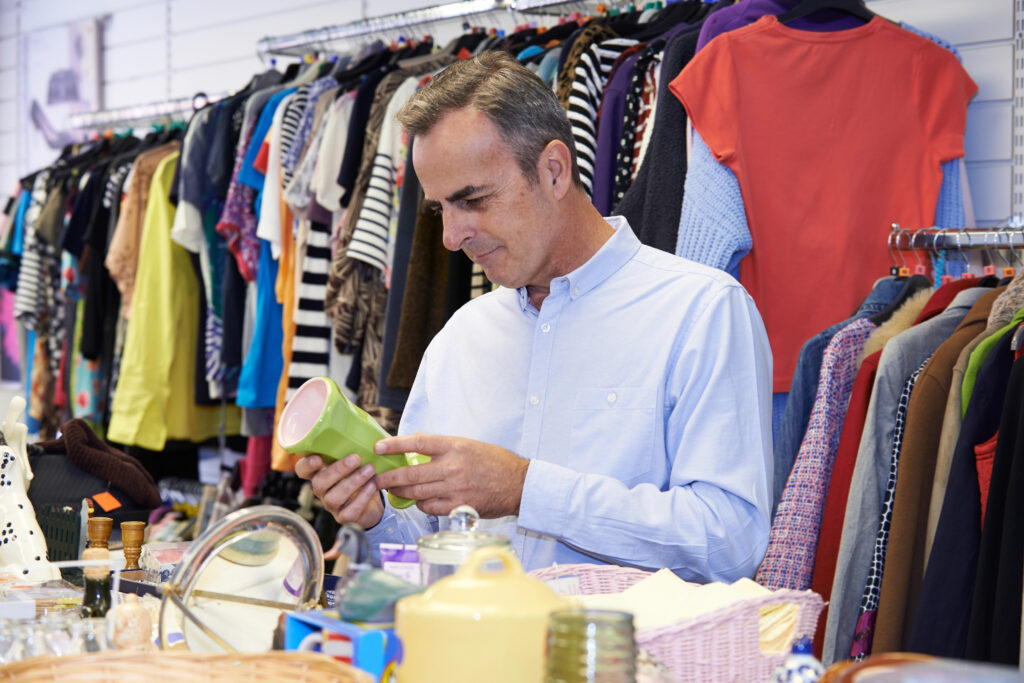

Thrift stores are amazing for bargains, hidden gems, and even reselling opportunities. But not everything on those shelves is a good deal. Some items can be unsafe, unhygienic, or simply not worth the risk, no matter how cheap they are.
After years of thrifting, here are 10 things you should never buy at thrift stores, even if the price tag tempts you.
1. Used Mattresses
This one is a hard no. Used mattresses can carry bed bugs, dust mites, mold, and bacteria that you cannot see. Even if it looks clean, there is no safe way to sanitize a used mattress fully.
If you need a mattress on a budget, look for clearance, mattress liquidation stores, or mattress-in-a-box brands instead.
2. Upholstered Furniture With Odors or Stains
Couches, chairs, and recliners may look fine in the store, but smells often show up once you get them home. Pet urine, smoke, mildew, and spills can be nearly impossible to remove from fabric padding.
If you do buy upholstered furniture secondhand, it should be odor-free, stain-free, and from a trusted source.
3. Car Seats
Car seats expire and are only safe if they have never been in an accident. Thrift stores usually cannot verify either. Even a small fender bender can compromise the safety of a car seat.
Always buy car seats new or through certified trade-in programs.
4. Helmets
Bike helmets, motorcycle helmets, and sports helmets are designed to absorb impact once. After that, they may no longer protect properly. Thrift stores cannot guarantee whether a helmet has been dropped or damaged.
Your safety is worth more than saving a few dollars.
5. Used Underwear and Socks
This might sound obvious, but thrift stores do sell them. Even if they appear unused, there is no way to know for sure. Hygiene risks are not worth it.
Stick to new underwear and socks only.
6. Old Electronics Without Testing
Electronics can be great thrift store finds, but only if you can test them. Items like hair dryers, space heaters, power tools, or kitchen appliances can be dangerous if faulty.
If you cannot plug it in and test it in-store, leave it behind.
7. Cribs and Baby Furniture
Older cribs and baby furniture may not meet current safety standards. Slats could be spaced incorrectly, hardware could be missing, or recalls may have been issued years ago.
When it comes to baby safety, always buy new or verified secondhand from someone you trust.
8. Nonstick Cookware With Scratches
Scratched nonstick pans can release harmful chemicals when heated. If the coating is peeling, chipped, or worn, it is not safe to use.
Cast iron and stainless steel are much better thrift store options.
9. Shoes With Heavy Wear
Shoes mold to the original wearer’s feet. Worn-out soles, uneven heels, or broken support can lead to foot pain or injury. Some damage is not obvious until you walk in them for a while.
Lightly worn shoes can be okay, but heavily used ones are best left behind.
10. Items With Recalls or Missing Parts
Thrift stores do not always remove recalled items from shelves. Baby gear, small appliances, and used electronics may be missing essential parts or have known safety issues.
If something seems incomplete or outdated, take a moment to look it up before buying.
Final Thoughts
Thrifting is one of the best ways to save money, but smart thrifting means knowing when to walk away. Skipping risky items helps you avoid wasted money, safety hazards, and regret later.
Focus your thrift store budget on clothing, home décor, used books, cookware, and resale-friendly finds, and you will come out ahead every time.