
A one-bedroom apartment in San Francisco regularly rents north of $3,000 a month, yet plenty of people build a full, comfortable life there without matching that number in disposable income. The gap often comes down to something easy to overlook: free public perks. Parks, museums, transit discounts, and city-run recreation programs quietly absorb costs that would otherwise land on a personal budget. This is exactly why “free” perks can make an expensive city more affordable — they shift routine spending away from paid options and toward resources residents have already funded through taxes. For anyone relocating to a high-cost city, learning where those perks live turns an intimidating budget into a workable one.
What Makes a City “Expensive” in the First Place?
Housing drives most of the gap between an expensive city and an average one. Rent, utilities, and parking make up the bulk of the difference, and those costs compound because everything else — groceries, services, entertainment — gets priced to match local wages. San Francisco is a common example: its cost of living sits well above the national average, largely because land and construction are both scarce and heavily regulated. Once housing is accounted for, though, the remaining gap is often smaller than people expect, especially for anyone willing to swap paid entertainment for free alternatives.
How Do Free Perks Quietly Lower Your Cost of Living?
Free perks work by replacing recurring expenses rather than creating one-time savings. A free museum day covers what a ticketed outing would have cost, while a city park can replace a paid gym session or expensive weekend activity. Even a dense, high-cost borough like Manhattan offers plenty of ways to enjoy the city without spending much, from concerts and walking routes to public art and other free activities across Manhattan. The same pattern holds in San Francisco, Boston, and many other expensive coastal cities.
Why Is It Easy to Overspend Even in a City Full of Free Perks?
Free perks don’t eliminate convenience spending, and that’s where budgets often slip. In San Francisco, parking, delivery fees, last-minute takeout, and other small purchases can add up surprisingly quickly. Understanding how a city makes it easy to overspend can help new residents spot these expenses before they become routine. None of the charges feels significant on its own, but repeated ten- and twenty-dollar purchases can quietly take a substantial amount out of a monthly budget.
Where Can You Find Free Culture and Community Perks?
Finding free perks usually takes less research than people assume, since most cities publish a public list and search platforms surface the busiest programs first once someone actually looks. Two categories cover most of what’s available: cultural institutions and public agency programs, and community-run recreation and skill-building.
Museums, Parks, and Public Spaces
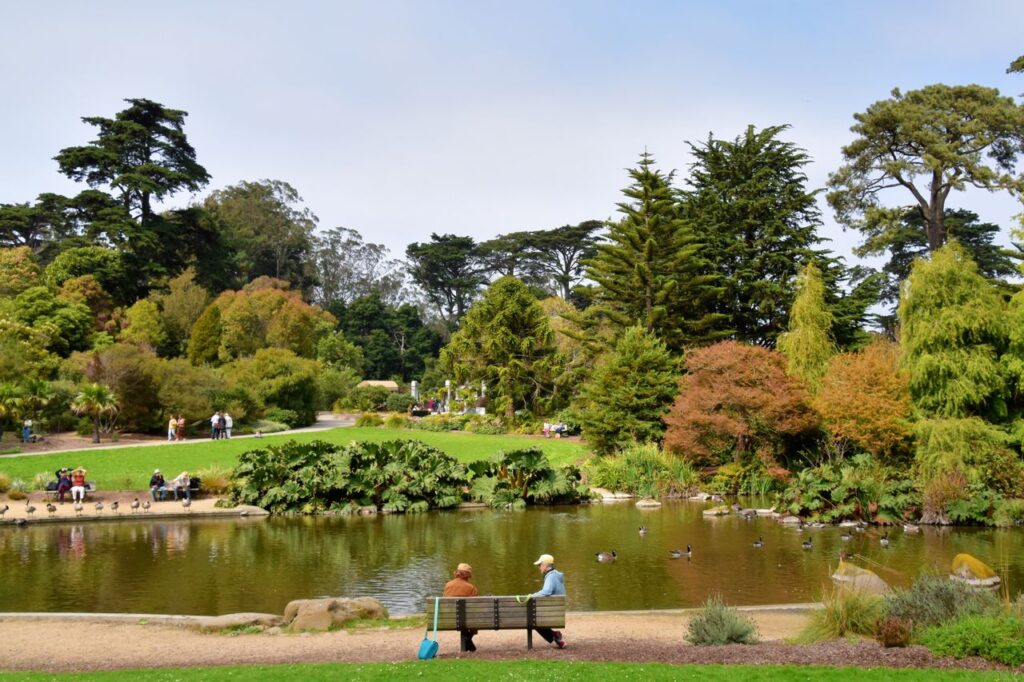
Free museum access is more common than many first-time residents expect. People looking beyond their immediate neighborhood can use a guide to free museums in every state to find no-cost and donation-based cultural attractions across the country. Parks offer similar value. Golden Gate Park alone provides gardens, trails, public spaces, and art that can fill an afternoon without adding another entertainment expense to the budget.
Community and Recreation Programs
City recreation departments run drop-in classes, youth programs, and sliding-scale activities that rarely get advertised outside their own newsletters. San Francisco’s parks department, for example, runs seasonal free concerts, fitness classes, and museum discount programs aimed specifically at residents who might otherwise skip cultural events due to cost. Checking a city’s recreation department page before assuming an activity requires a ticket is a habit worth building early.
How Do “Free” Perks Make an Expensive City More Affordable?
They offset costs directly, and the effect grows as local prices climb faster than income. Prices in the San Francisco metro area rose 3.8% over the twelve months ending in June 2026, according to the Bureau of Labor Statistics’ regional Consumer Price Index, a pace that outstrips wage growth for most workers. Against that backdrop, every dollar not spent on paid entertainment or errands functions like a small raise. Someone who replaces two paid outings a month with free equivalents can offset a meaningful share of that annual increase without changing their income at all.
How Do You Build a Budget That Leaves Room for What’s Free?
Start with a framework that accounts for free resources instead of treating every leisure activity as a paid expense. The 50/30/20 rule provides a straightforward way to divide income among needs, wants, and savings. Free parks, museums, recreation programs, and community events can reduce the amount needed for the “wants” category, leaving more room for savings or an emergency fund in a high-cost city.
Settling Into City Life Without Overspending
Why “free” perks can make an expensive city more affordable isn’t a trick or a loophole — it’s simply using resources that are already funded and already available. Parks, museums, recreation programs, and community classes cover a real share of what a comfortable life costs, and stacking them against a clear budget framework makes an intimidating cost of living feel manageable. Anyone planning a move to a high-cost city like San Francisco benefits from building this habit before moving day, not after the first bill arrives. Start by mapping out the free resources in a new neighborhood, then build a spending plan around what’s actually left to pay for.