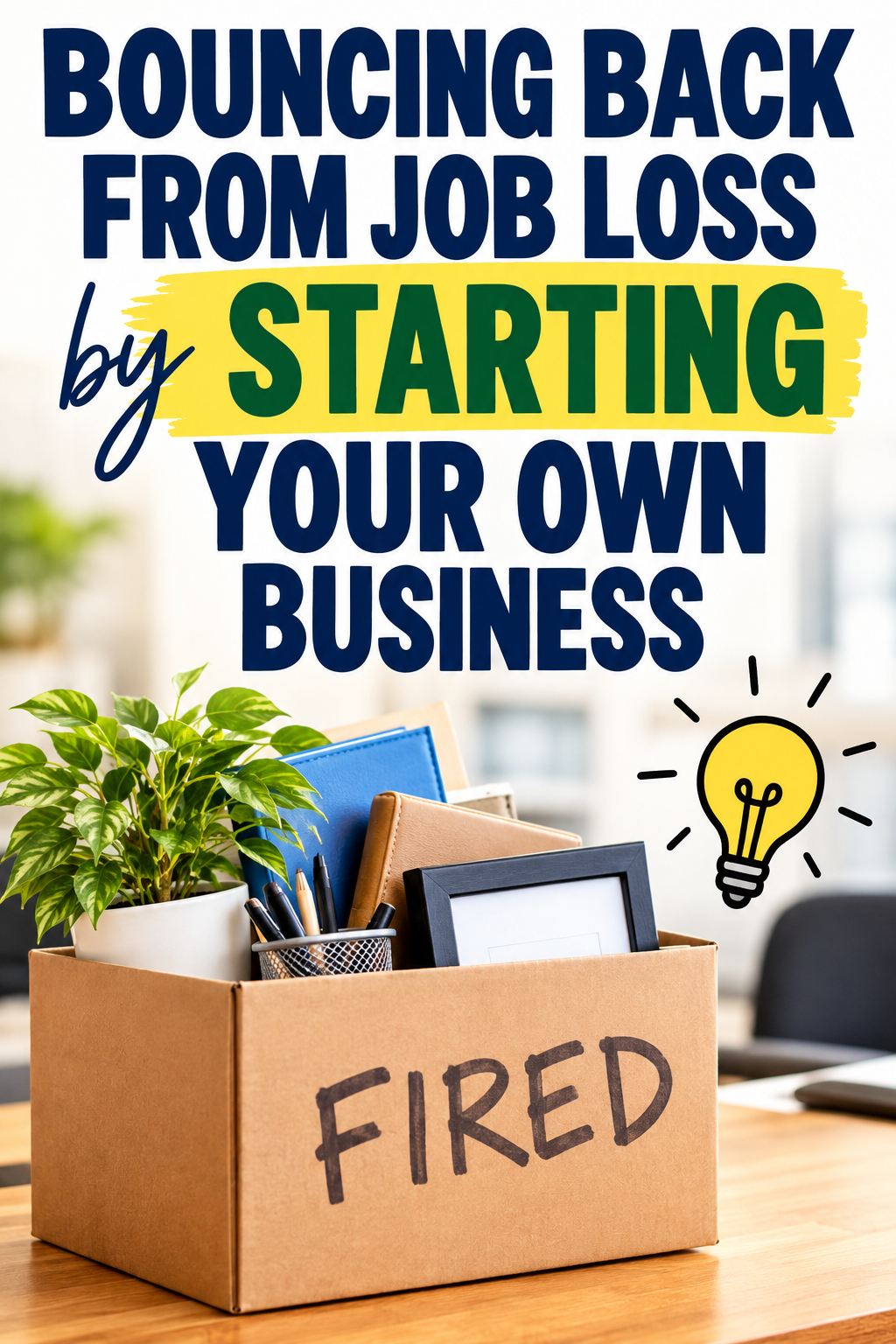


For professionals recently laid off, pushed out, or stalled in roles that no longer fit, career setbacks can hit hard and shake trust in what comes next. The tension is real: bills still show up while confidence takes a bruising, and the usual job-search playbook can feel like a dead end. Yet entrepreneurship after job loss can turn uncertainty into direction, especially for future new business owners who want more control over their work. With the right support, starting a business after career challenges becomes a practical way to move from disruption to small business startups.
Understanding Emotional Readiness to Start a Business
Job loss often triggers a grief cycle, even when you know it was not personal. You may move through shock, anger, bargaining, sadness, and acceptance in your own order and timing. Emotional recovery is the point where you can tell the story without reliving it, then turn the energy into resilience and a founder’s mindset.
This matters because rushing to “prove yourself” can lead to scattered ideas, overworking, and avoidable risk. Many workplacestad communicate only during or after change, so you may be rebuilding confidence without clear answers. Mental readiness looks like steady focus, realistic planning, and a calmer relationship with uncertainty.
Think of it like rehabbing an injury before training for a race. Once the swelling is down, you can build strength and choose a plan you trust. With that steadier base, quick visual prototypes make testing your business idea feel lighter and cheaper.
Prototype Your Brand in a Weekend With AI-Generated Visuals
Once you’re feeling steadier emotionally, a quick creative sprint can help you rebuild momentum and make your idea feel real. Generative AI can help you prototype early brand visuals fast and on a budget, draft a logo, spin up social media images, explore packaging concepts, or even create simple mockups that show what your product could look like in the world. These rough visuals aren’t about perfection; they’re a low-cost way to communicate your concept clearly enough to support market testing and validate which direction resonates before you invest heavily. Using a text-to-image tool like this free AI photo generator to streamline the process of creating visual content to promote your brand.
Choose Your Next Venture: 6 Options and a Starter Checklist
A career setback can be a painful reset, but it’s also a chance to choose a business model that fits your skills, risk tolerance, and time. Use the options below to pick a direction, then pressure-test it quickly with light market research and a simple plan.
- Start with freelance consulting to rebuild income fast: List 2–3 problems you can solve from your previous role, then package them as fixed-scope offers (example: “5-hour resume refresh” or “two-week ops audit”). Put a two-page one-pager in front of 10 former colleagues or industry contacts and ask what they’d actually pay for. The growth in the gig economy, like the USD 24.2 billion by 2033 projection for freelance platforms, signals there’s real demand, but your fastest validation comes from real conversations.
- Turn your weekend brand prototype into a pre-sale test: Take the logo/mockups you generated over the weekend and use them as “conversation starters,” not final decisions. Create one simple landing page or PDF with: who it’s for, the outcome, price range, and three sample visuals. Offer a small founder deal to 5 early customers and aim for 2 paid commitments before you build anything complicated, proof beats opinions.
- Build a productized service (less custom work, more repeatability): If consulting feels too open-ended, standardize it into a repeatable checklist and timeline so it’s easier to sell and deliver. Example: “Monthly bookkeeping cleanup,” “Content repurposing into 12 posts,” or “Local SEO starter setup.” Track delivery time for your first 3 clients; if you can’t finish within a predictable window, tighten the scope until you can.
- Explore franchise opportunities as a “systems-first” path: If your setback made you crave structure, franchises can offer a known playbook, training, and brand recognition, but they also come with fees and rules. Ask for the franchise disclosure document early, then interview at least 3 current franchisees about ramp-up time, marketing support, and the hardest part of operations. Compare two concepts side-by-side using the same assumptions (hours, payroll, rent, local demand) so you’re not choosing based on hype.
- Run a one-week market research sprint before committing: Your goal isn’t a perfect report, it’s “data-driven answers” to a few make-or-break questions: Who buys? What do they pay today? Why do they switch? Even a simple approach borrowed from market research quantitative tools can help: define 2–3 customer segments, interview 10 people, then test a short survey with clear tradeoffs (price vs. speed vs. quality).
- Use a one-page business plan checklist to pressure-test risk: Keep business planning essentials simple: (1) target customer, (2) problem, (3) offer, (4) pricing, (5) acquisition channel, (6) basic costs, (7) weekly break-even number. Add one “assumption log” listing your top 5 guesses and how you’ll test each within 30 days. That habit helps you avoid repeating old patterns, especially around cash flow, unclear positioning, and overbuilding before demand is proven.
Career Setback to Startup: Common Questions Answered
Q: What if I fail again and waste time and money?
A: That fear is normal, especially since 90% of startups fail. The way you lower the odds is to run small, time-boxed tests: pre-sell, pilot with a handful of customers, and cap what you spend. Treat the first month like research, not a life-or-death launch.
Q: What are the most common startup mistakes after a career setback?
A: The big ones are building too much too soon, pricing without talking to buyers, and assuming you need a “perfect” brand before you can sell. Keep your offer simple, define one clear customer, and measure results weekly. If you cannot explain your value in one sentence, your market likely cannot either.
Q: How do I manage risk when my savings are limited?
A: Separate personal finances from the business and choose a “minimum viable” operating budget you can afford to lose. Start with low-fixed-cost models, require deposits or upfront payment when possible, and track a weekly break-even target. If a cost does not help you sell or deliver, delay it.
Q: When should I quit my job or stop job-hunting to go all-in?
A: Go all-in after you have repeatable demand, not just compliments. Look for multiple paid customers, a predictable way to find the next customer, and a delivery process you can execute without burning out. If you cannot replace a meaningful portion of income for a few months, keep it part-time.
Q: Can I rebuild confidence if my last attempt went poorly?
A: Yes, by turning the loss into a system, not a scar. Write a short “failure review” with three lessons, three warning signs you missed, and three rules you will follow now. Then prove to yourself you can execute by shipping one small offer this week.
Turn Setbacks Into a Stronger, Clearer Business Direction
A career setback can rattle confidence and make any new idea feel risky, especially after learning the hard lessons behind common startup mistakes. The way forward is a positive mindset for founders paired with small business resilience: treat what happened as information, build smarter systems, and let entrepreneurial success stories remind us that post-setback business growth is real. A setback doesn’t disqualify a founder, it refines the next business. Choose one small next step today: write a one-sentence business problem statement and share it with one trusted person for feedback. That steady momentum is how a new venture becomes a source of stability and personal fulfillment through entrepreneurship.