
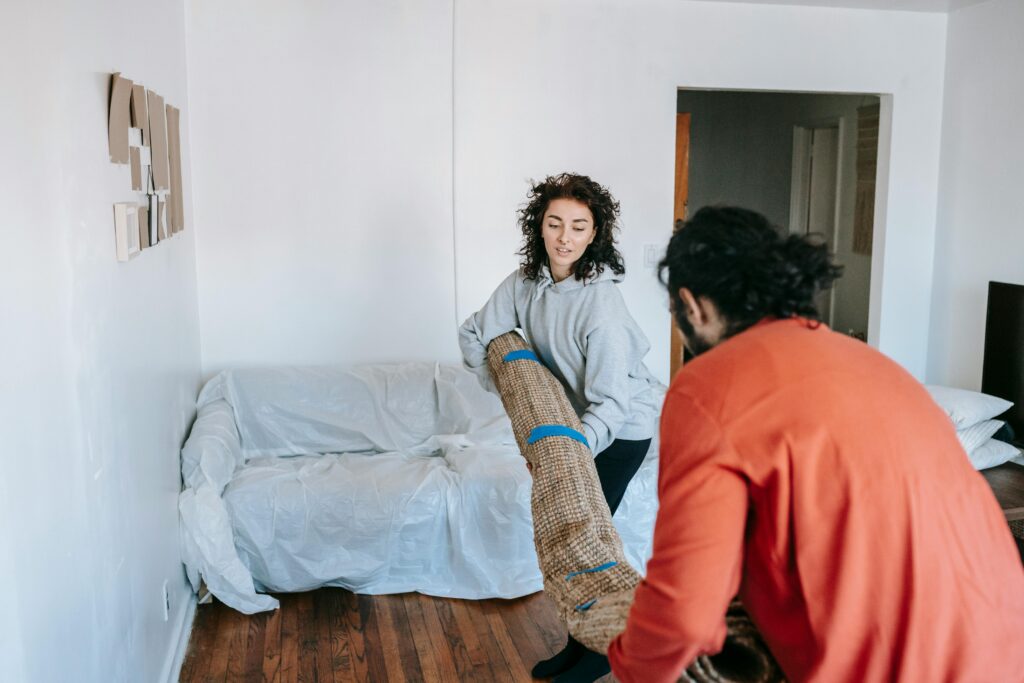

Childhood memories influence how we react to change. The layout, routines, and emotional tone inside our first home follow us into adulthood. These early cues shape comfort, security, and fear. When we relocate, spending becomes emotional. We may rush to recreate familiar patterns without noticing. The way we spend when we move often reflects those early lessons, which emerge again when settling somewhere new.
Early Spending Behaviors
Adults often respond to relocation through familiar spending patterns learned as kids. If your childhood home held warm lights, full rooms, and soft furniture, you may buy these items quickly when you relocate. If you grew up with less, you may avoid major purchases and wait longer to settle. The way we spend when we move depends on habits formed early, often without conscious thought.
The Price of Connection
Feeling accepted matters. Relocation triggers anxiety because social circles shift. Many buy items to feel included in local routines. Spending on gym memberships, social clubs, and trendy clothing helps new residents blend into everyday community patterns. Moving costs extend to social integration because emotional comfort carries a price.
Lessons From Childhood Furnishing
Parents teach us how rooms should feel. If the sofa always faces a television, adults often repeat that setup. If the kitchen held warm lights and full cupboards, similar arrangements would be necessary. Relocating invites these memories back, guiding purchases unconsciously. Spending patterns reveal older routines.
Professional Support That Reduces Moving Stress
Some companies emphasize organization to reduce stress during relocation. Advanced Moving presents itself as a full-service provider with trained staff and careful handling practices, which appeals to adults who have experienced confusing moves growing up. Clear communication and structured support help clients feel more in control as they settle into a new space. These services align with familiar comforts learned in childhood, easing emotional pressure and guiding spending decisions more calmly during a move.

Emotional Attachment to Items
Objects remind us of who we were. Childhood blankets, toys, and posters held meaning. Adults try to replace them with scented candles, soft blankets, or colorful décor. People buy these items to rebuild lost memories. Moving becomes less about transporting belongings and more about rebuilding identity. Spending fills emotional gaps that distance creates.
Hidden Expenses Behind Relocation
Relocation fees extend far beyond trucks and packing tape. Adults buy curtains, rugs, and small appliances to restore order. Emotional stress encourages spending. The true costs of moving include these subtle purchases. Childhood environments influence which items feel essential.
Community Expectations and Spending Pressure
Some neighborhoods display polished yards and clean driveways. Adults shaped by strict childhood standards feel pressure to match. Spending on landscaping, paint, and pressure washers happens fast. Approval becomes a silent goal. Childhood discipline continues through adult habits.
Fear of Change
Some fear empty walls because childhood rooms were always filled. They buy shelves and art quickly. Others leave walls bare because emptiness feels calm. Childhood determines how silence and space feel. These reactions control budgets. Childhood experiences turn into adult routines.
Storage Habits and Home Organization
Some childhood homes had too many items, leading to clutter. Adults from these homes buy storage bins immediately. They fear losing order. Adults raised in minimal homes accept empty corners. They spend less on organization. Early exposure influences purchase urgency.
Security Spending Patterns
If childhood neighborhoods felt risky, adults invest in smart locks, extra lighting, and cameras. Safety spending rises when childhood teaches caution. Those raised in safe homes invest less in security. Spending follows emotional memory.
Social Belonging and Household Items
School years taught us how to gain approval. Adults repeat these lessons. New neighborhoods revive schoolyard feelings. Some buy décor to attract compliments. Others invest in front yard furniture to spark conversation. Childhood popularity battles resurface through adult spending.
Overspending Risks
Many adults overspend on furniture to recreate what felt normal growing up. They forget that adjustment takes time. Buying everything at once raises stress. Childhood speed influences adult pace. Understanding this helps slow spending before debt builds.

Costly Errors During Relocation
Overbuying furniture early leads to clutter and regret. Homes settle over time. Adults who rush to duplicate their childhood homes spend more than they need to. This urgency causes an expensive relocation mistake because early purchases fit less perfectly once routines take shape.
Emotional Weight in Items
Items hold memories. Adults often move old furniture even when repair costs exceed its value. Childhood attachment fuels this decision. Budget stress becomes emotional conflict. Sometimes letting go costs less in the long run.
Sensory Patterns That Influence Shopping
Noisy childhood homes may push adults to invest in soundproof curtains or machines. Quiet childhood homes create a preference for peace. Spending reflects sensory memory. The first home sets a comfort baseline.
Social Circles and Purchase Motivation
Some adults buy coffee makers, fancy dishes, or décor for hosting because childhood gatherings felt important. Others skip these purchases due to quiet childhood routines. Household spending follows early patterns of entertainment.
Repair Habits Rooted in Childhood
Parents influence repair habits. Some fixed broken doors and patched walls. Their kids now invest in toolkits. Others grew up watching replacement decisions. They now buy new items instead of repairing. These patterns surface during relocation and change spending speed.
Spending for Familiar Comfort
Adults recreate childhood comfort through fragrance, furniture shape, and lighting tone. The way we spend when we move becomes a way to revive emotional safety. Some buy pillows with specific patterns. Others purchase familiar color palettes. Childhood designs echo in adulthood.
Purchasing for Personal Space
Sibling arguments teach compromise. Adults raised in crowded homes invest in separate spaces quickly. They buy room dividers, desks, and shelves to create distance. Spending reflects the desire to control interaction. These purchases soothe old triggers.
Applying Routines to New Homes
Those raised with structured routines invest in calendars, timers, and organization systems. They purchase items to protect routine. Without these, stress builds. Childhood helped define what peace looks like. Spending becomes a tool to rebuild routine in a new space.
Neighborhood Identity and Spending Choices
Some childhood neighborhoods displayed holiday lights every year. Adults from these areas buy decorations early. Others saw practical spending instead. Childhood neighborhood culture influences adult purchase logic. These habits shape budgets during relocation.
Safety Spending Behaviors
Parents taught us how to lock doors, check windows, and guard valuables. Adults buy deadbolts, sensors, and smart alarms to restore those routines. The way we spend when we move during these moments reflects security conditioning. Childhood fear often drives adult spending.
Final Thoughts on Emotional Spending
Spending during relocation reflects memory, emotion, and learned behavior. Childhood homes teach comfort, fear, and expectation. Adults repeat these routines unconsciously. By recognizing triggers, spending decisions become clearer. Reflection helps reduce stress and avoid overspending. Awareness turns relocation into growth rather than reaction. In the end, the way we spend when we move becomes easier to manage when we pause, understand, and plan.