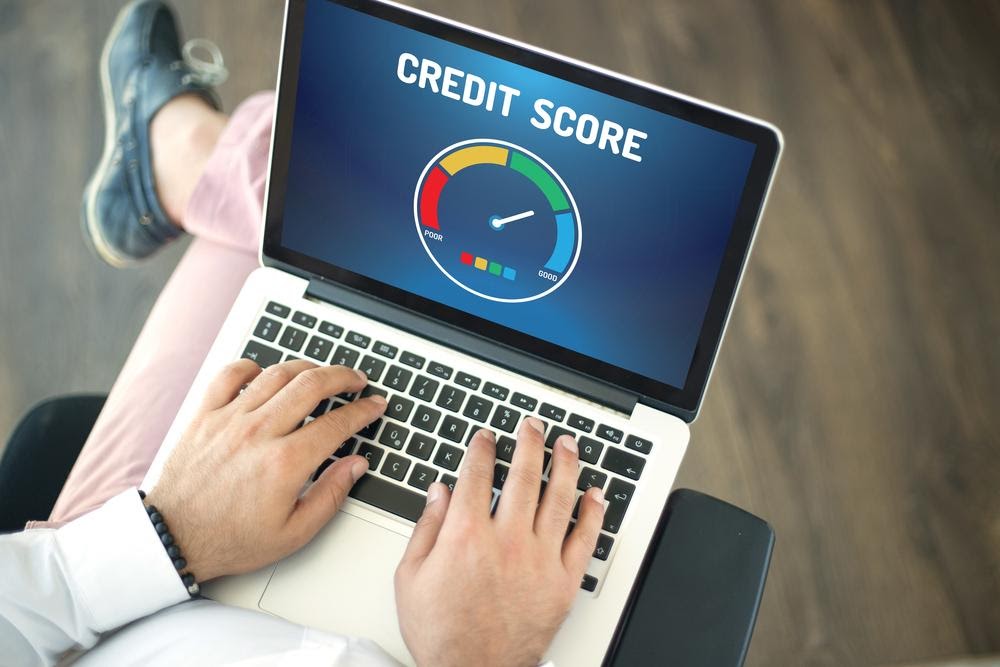


Relocation changes spending habits from the very first day. People face new prices, new services, and new priorities. Daily routines disappear, which makes tracking expenses harder. Grocery costs, rent, and transport often shift without warning. Budgeting tools struggle to keep up with these changes. However, sudden financial instability creates confusion and weak planning. Many people rely on apps, yet relocation breaks your budgeting apps due to irregular data. Unexpected fees and moving costs appear quickly and disrupt financial balance. Emotional stress also affects decisions and leads to impulse spending. With this in mind, people need better control during a move. A temporary manual system helps track expenses clearly and prevents costly mistakes.
How Budgeting Apps Depend on Stability
Budgeting apps work best with steady and predictable data. They track income and expenses based on repeated patterns. Most systems sort spending into categories using past behavior. For example, rent, food, and transport follow regular cycles. Location also affects spending, since prices vary between areas. In contrast, a stable lifestyle creates clear patterns, while relocation causes irregular activity. New stores and one-time costs confuse automated systems quickly. Apps may mislabel expenses or fail to recognize them. This leads to gaps in tracking and unclear summaries. As a result, users may trust incorrect data and make poor choices. Short-term instability exposes these limits and reduces the value of automated tools.

“Relocation Breaks Your Budgeting Apps” – Here’s Why
Relocation breaks your budgeting apps because spending loses structure during a move. People face new charges that do not match past habits. Apps depend on historical data to predict future expenses. Sudden changes disrupt these predictions and create errors. New locations bring different costs for housing, food, and services. Tax rules or pricing systems may also change totals. On the other hand, apps expect stable patterns and fail to adjust quickly. They treat one-time costs as regular expenses and distort reports. Users then see misleading summaries that lack accuracy. This confusion leads to poor financial decisions. Temporary instability shows how fragile automated systems become during relocation.
How to Build a Simple Manual Budget System
Creating a manual budget system requires simple tools and clear steps. People can use a notebook or a basic spreadsheet to track spending. To stay organized, they should group expenses into broad categories. Daily updates help maintain accuracy and prevent missing entries. Users should review totals at the end of each day. Then again, flexibility matters more than strict structure during a move. People can adjust categories as new expenses appear. This method helps reduce overall moving costs while finding cost-effective ways to pack for your move. Clear tracking shows where money increases. Quick action helps control spending and avoid waste.

Common Budgeting Errors During Relocation
Budgeting errors increase during relocation due to irregular transactions. Many expenses do not fit into standard categories. Apps often place charges in the wrong groups. Rent may appear as travel, while supplies may show as dining. Duplicate entries can also appear when systems fail to sync. Similarly, missing transactions create gaps in financial records. These issues reduce clarity and weaken financial planning. Small mistakes happen over time and affect spending decisions. People may overspend without noticing early signs. Tracking becomes harder as expenses increase quickly. Careful monitoring becomes necessary during this period. Without strong control, these errors lead to long-term budgeting problems.
Hidden Costs That Apps Often Miss
Hidden costs often appear during relocation and disrupt financial plans. Temporary housing, storage fees, and deposits increase total spending. Not to mention, utility setup fees add extra pressure on the budget. These expenses do not repeat, so apps struggle to classify them. Moving supplies and urgent purchases also raise costs quickly. In addition, many payments happen at the same time, which creates confusion. Budgeting tools fail to organize these irregular charges properly. Users lose a clear view of their spending. Unexpected expenses create stress and lead to rushed decisions. Many people underestimate these costs and exceed their limits. Strong tracking helps reveal these hidden expenses early.

Why a Temporary Manual System Works Better
A manual system gives more control during unstable financial periods. People can record each expense based on real situations. Manual tracking adapts faster than automated tools. Users can change categories without delay. This method captures one-time costs and irregular payments clearly. Hence, records stay accurate throughout the move. Manual tracking also increases awareness and reduces careless spending. People review entries often and notice patterns early. This habit builds stronger discipline and control. Automated tools rely on past data, while manual systems reflect current activity. Short-term use of this method improves clarity and reduces confusion during relocation.
Tips to Stay Financially Stable During a Move
Financial stability depends on consistent tracking and clear planning. People should create a budget that includes expected and unexpected costs. Above all, daily monitoring helps detect overspending early. Small changes can prevent larger financial problems. Keeping extra funds for emergencies improves security. Besides, reviewing expenses often helps maintain control. People should avoid impulse purchases and focus on necessary items. Price comparisons can help reduce spending. Clear priorities make decisions easier during stressful moments. Strong habits support balance even with irregular expenses. Staying aware of daily spending leads to better financial outcomes during relocation.
Regain Control During Financial Disruption
Relocation breaks your budgeting app by disrupting patterns and creating unstable spending. In short, automated tools struggle during sudden change. A temporary manual system offers better control and clarity. Once stability returns, users can switch back to apps with improved accuracy and stronger financial awareness.