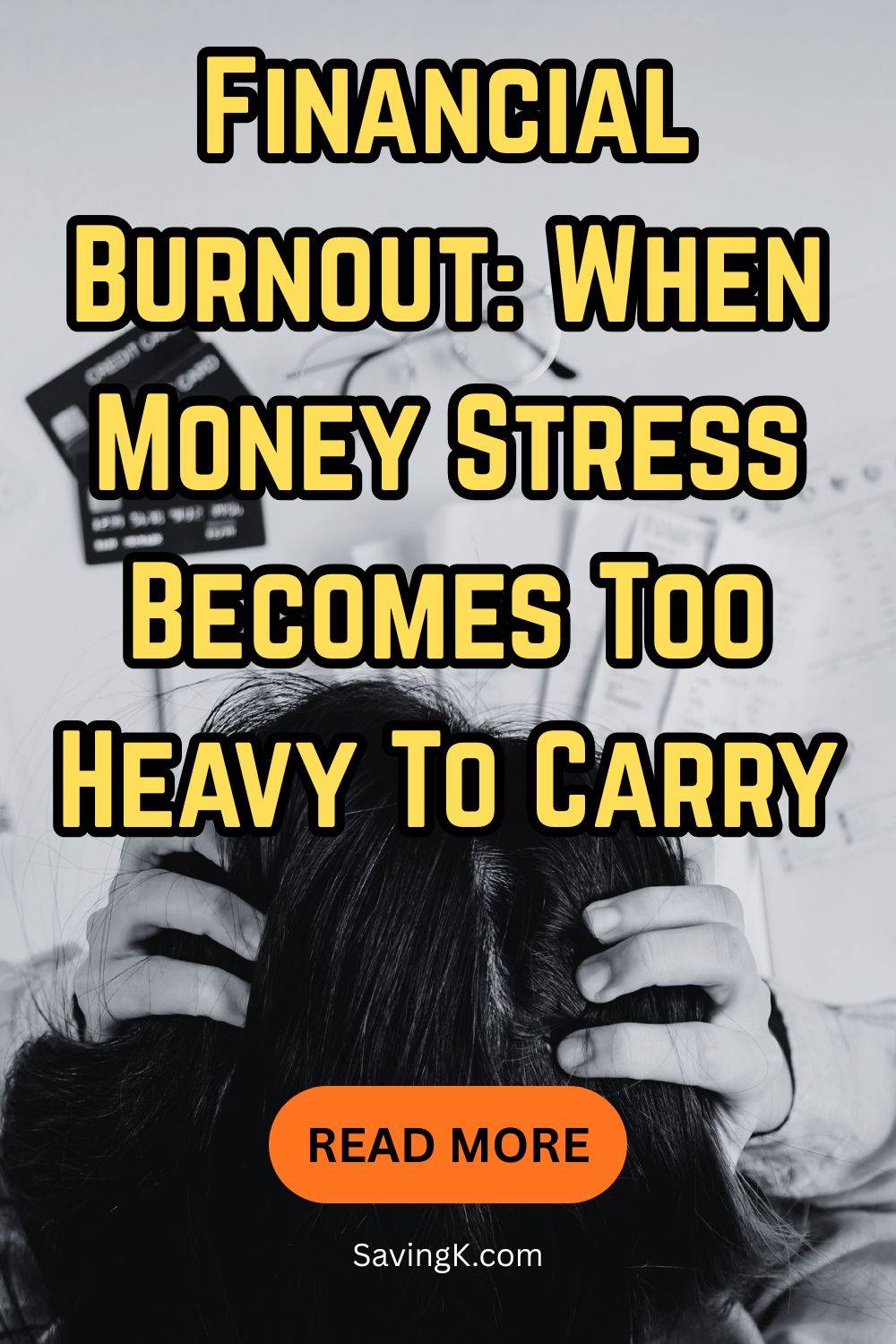


Financial burnout is not about being bad with money. It is about being tired. Bone-tired. The kind of tired that shows up when every paycheck already has a job before it lands, when budgeting feels like another chore instead of a tool, and when thinking about money triggers a tight chest instead of a plan.
I see it constantly, especially among people who are doing everything “right.” Saving when they can. Paying bills on time. Hustling. Saying no. Yet still feeling stuck, anxious, or numb when it comes to their finances.
Let’s unpack what financial burnout actually looks like, why it happens, and how to start easing the pressure instead of pushing harder.
What Is Financial Burnout?
Financial burnout is a state of emotional, mental, and sometimes physical exhaustion caused by prolonged money stress. It often sneaks in quietly, disguising itself as responsibility.
Common signs include:
- Feeling overwhelmed or anxious when checking bank accounts or bills
- Avoiding money tasks entirely, unopened mail, ignored apps, delayed decisions
- Losing motivation to budget or save, even if you used to be disciplined
- Feeling hopeless or resentful about money no matter how hard you try
- Emotional spending followed by guilt or shame
- Constantly thinking about money but feeling unable to improve the situation
Burnout is not about a single bad month. It is the accumulation of pressure without relief.
Factors Most Commonly Contributed to Financial Burnout
Financial burnout usually builds over time, not overnight. Some of the most common contributors include:
- Living paycheck to paycheck with no margin for error
- Rising costs without matching income growth
- Debt fatigue, especially long-term balances that feel endless
- Caretaking or family responsibilities that stretch finances thin
- Side hustle overload, when extra income costs too much energy
- Perfectionism, trying to optimize every dollar without rest
- Financial trauma, such as layoffs, medical bills, or past instability
Even people with decent incomes can burn out if their financial life feels rigid, joyless, or constantly reactive.
How Financial Burnout Impacts Relationships and Savings Habits
Money burnout rarely stays contained. It leaks.
In relationships, it can look like:
- Avoiding money conversations altogether
- Snapping at a partner over small purchases
- Feeling isolated or ashamed about financial struggles
- Disagreements about spending priorities or risk tolerance
In savings habits, burnout often swings to extremes:
- Pausing savings completely because it feels pointless
- Draining emergency funds to cope emotionally
- Hoarding money out of fear, refusing to spend even on necessities
- Giving up on long-term goals like retirement or investing
When money becomes emotionally charged, it stops behaving like a neutral tool and starts acting like a stress amplifier.
How to Reclaim Control If You’re Experiencing Financial Burnout
The solution to financial burnout is not stricter budgeting or more spreadsheets. It starts with relief.
Here are practical steps that actually help:
1. Shrink the Scope
Stop trying to fix everything at once. Focus on one stabilizing action, such as automating minimum payments or rebuilding a small emergency buffer.
2. Make Your Budget Kinder
A burnout-friendly budget includes breathing room. That might mean a modest “no-guilt” category or temporarily easing aggressive payoff goals.
3. Automate What You Can
Decision fatigue is real. Automating bills, savings, and even grocery orders reduces the mental load of constant money choices.
4. Redefine Progress
Progress does not have to mean optimization. Stability counts. Consistency counts. Rest counts.
5. Take Breaks From Money Content
Constant exposure to hustle culture, investing wins, or extreme frugality can worsen burnout. Curate what you consume.
Resources Worth Exploring If You’re Dealing With Financial Burnout
Financial burnout sits at the intersection of money and mental health, so support can come from multiple directions:
- Financial therapists or money coaches who focus on behavior, not just math
- Mental health professionals, especially if anxiety or depression are present
- Community support, online forums or local groups where people talk honestly about money
- Educational tools, like simple budgeting apps or financial literacy programs that reduce overwhelm
- Employer resources, including EAPs, financial wellness benefits, or counseling services
Sometimes the most powerful resource is permission to stop grinding and start stabilizing.
The Bottom Line
Financial burnout is not a personal failure. It is a signal. A signal that your financial system needs rest, flexibility, and support, not punishment.
Money is supposed to support your life, not consume it. Reclaiming control starts with acknowledging the burnout, softening your approach, and rebuilding in a way that allows you to breathe again.
You do not need to hustle harder. You need space to recover, and a plan that works with your energy instead of against it.