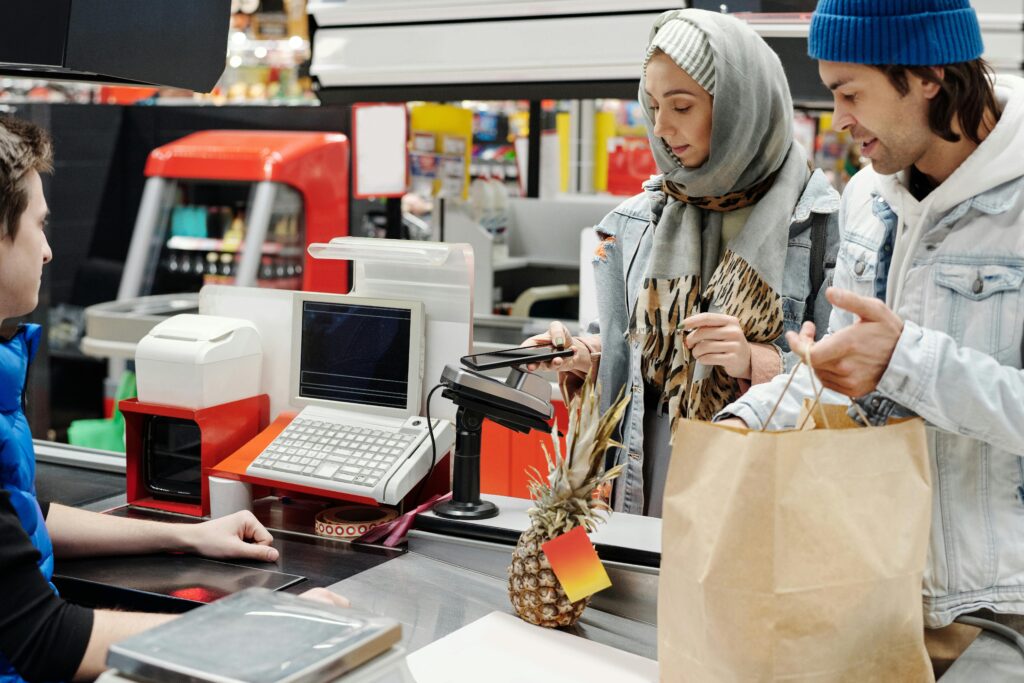

When you head to the checkout counter and notice your total creeping higher than usual, tariffs might be to blame. And most consumers don’t even realize it.
What Are Tariffs, and Why Should You Care?
A tariff is essentially a tax on imported goods. When the U.S. government places tariffs on products coming in from other countries, it increases the cost for businesses to bring those items into the country. And those businesses? They often pass those added costs directly on to you, the consumer.
Everyday Items Are Getting More Expensive
You might expect tariffs to affect big-ticket items like cars or heavy machinery, but they’re also quietly driving up the cost of:
- Clothing and shoes: Many fashion retailers import their goods, especially from countries like China and Vietnam. Tariffs on textiles and apparel can lead to price increases on everything from jeans to kids’ sneakers.
- Appliances and electronics: From microwaves to laptops, tariffs on components and finished products have impacted prices across the board.
- Household goods: Basic items like cookware, furniture, and even light fixtures have seen cost bumps due to import taxes.
- Toys and holiday décor: Seasonal items are often imported, meaning tariffs could affect your wallet around gift-giving time.
Why You May Not Notice At First
Stores don’t label a product as “more expensive because of tariffs.” Instead, you may just notice:
- Smaller package sizes for the same price
- Fewer discounts or coupons available
- Limited inventory or reduced variety
Over time, this “creep” in pricing can significantly affect your monthly budget.
How to Protect Your Budget from Tariff-Driven Price Hikes
You don’t need to be an economist to outsmart these price increases. Here’s how:
1. Buy American-Made When Possible
Look for domestically produced items. While they aren’t always cheaper, they may be less affected by import tariffs.
2. Use Cashback and Coupon Tools
Browser extensions like Rakuten or Honey can help you find the best prices and earn money back—even on inflated items.
3. Shop Secondhand or Refurbished
Avoid paying the “new item premium” by checking resale platforms like eBay, Mercari, or local thrift shops.
4. Buy Off-Season
Purchase winter gear in the spring or summer appliances in the fall. Retailers often offer deep discounts to clear inventory regardless of tariff changes.
5. Bulk Buy Basics
If tariffs are expected to increase, it may be worth buying extra now—especially for non-perishables or household staples.
Final Thoughts
Tariffs might seem like a distant trade issue between countries, but their effects are hitting close to home. By staying informed and shopping smart, you can keep your budget in check, even when prices at the register quietly rise.