
If you’ve ever wondered what happens to all the perfectly good food and products that get tossed out every day, you’re not alone. A growing movement called Freeganism is challenging consumer culture by turning trash into treasure, literally. Freegans find value in what society discards, and their lifestyle is built on reducing waste, saving money, and questioning the idea that everything needs to be bought new.
Here’s everything you need to know about Freeganism and how you can try aspects of it for yourself.
What Is Freeganism?
Freeganism is a lifestyle centered around minimizing consumption, waste, and dependence on money. The word combines “free” and “vegan,” though not all Freegans are strictly vegan or even vegetarian. What unites them is a commitment to using resources that others throw away instead of purchasing new ones.
Freegans believe that modern consumerism encourages overproduction and unnecessary waste — especially in industries like food, fashion, and electronics. By reusing, repurposing, or reclaiming items that would otherwise end up in landfills, they promote sustainability and reject the “buy more” mentality.
The Core Principles of Freeganism
- Waste Reduction: Freegans aim to cut down on waste by salvaging what others discard.
- Sustainability: Living in harmony with the environment is key — consuming less means leaving a smaller footprint.
- Community Sharing: Many Freegans participate in food-sharing programs or community swaps.
- Anti-Consumerism: The lifestyle questions the need to always buy and own more.
- Ethical Living: Freeganism often extends to other areas like transportation, clothing, and housing — favoring secondhand, bartered, or communal living options.
Dumpster Diving: The Most Well-Known Freegan Practice
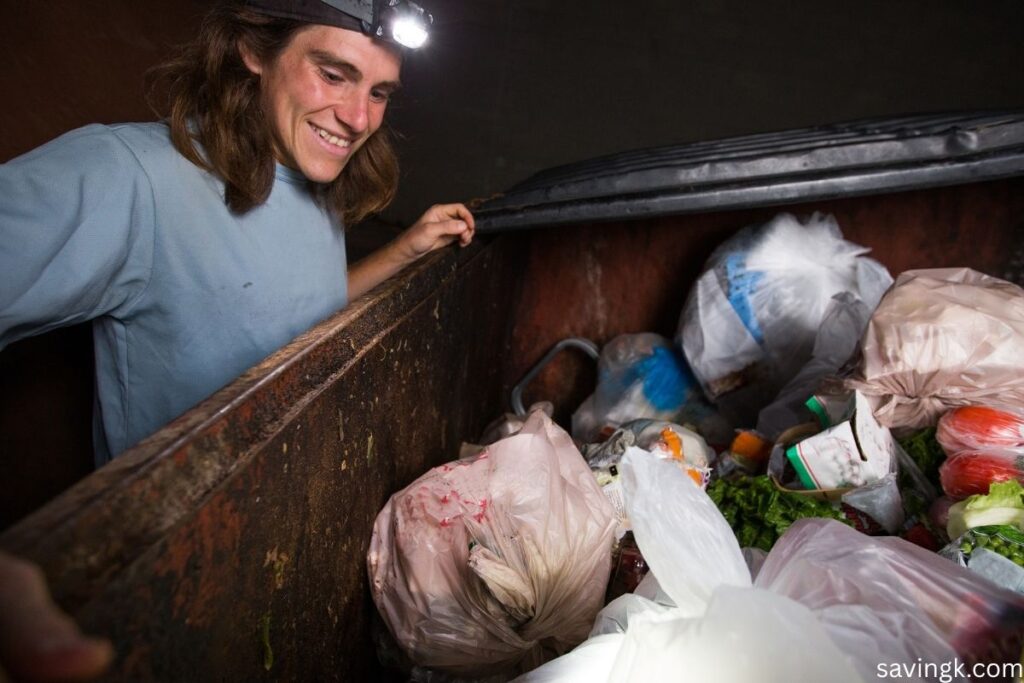
When people think of Freegans, dumpster diving is usually the first thing that comes to mind. It sounds extreme, but many Freegans find safe, edible, and perfectly packaged food behind grocery stores, bakeries, and restaurants.
Because businesses often throw out food that’s nearing its “sell-by” date but is still good to eat, Freegans see this as an opportunity to reduce food waste. Some even organize group “diving nights” where they collect, sort, and redistribute food among their communities.
Important note: Always research your local laws. Dumpster diving is legal in many U.S. cities, but trespassing or taking from locked dumpsters can lead to trouble.
Beyond Food: Other Freegan Practices
Freeganism isn’t just about food. It’s about living resourcefully in every area of life.
- Clothing: Freegans often shop secondhand, swap clothes with friends, or repair items instead of buying new.
- Housing: Some Freegans practice “squatting,” occupying abandoned or unused properties to highlight waste in the housing market.
- Transportation: Walking, biking, and carpooling are preferred to reduce environmental impact.
- Technology and Furniture: Many Freegans collect discarded electronics or furniture, refurbish them, and give them new life.
How Freeganism Saves Money
While Freeganism is rooted in ethics and sustainability, it also has a financial benefit; it’s incredibly frugal. By reclaiming food, reusing items, and cutting back on purchases, Freegans can drastically reduce living costs.
Even if you’re not ready to go full Freegan, you can still adopt small habits:
- Shop at thrift stores instead of fast-fashion retailers.
- Rescue food with apps like Too Good To Go or Olio.
- Join local Buy Nothing or Freecycle groups to give and receive items for free.
- Meal plan and use leftovers creatively to cut down on waste.
The Social and Environmental Impact
The average American household throws away nearly one-third of its food each year. Freegans highlight this wasteful behavior and show that alternatives exist. By repurposing what others discard, they:
- Reduce methane emissions from landfills.
- Encourage communities to think differently about consumption.
- Inspire others to waste less and appreciate what they already have.
Is Freeganism Right for You?
You don’t need to dig through dumpsters to embrace Freegan values. Even small changes, like reducing food waste, sharing resources, or buying secondhand, can help the planet and your wallet.
Freeganism isn’t just about “free stuff.” It’s about living intentionally, questioning consumer habits, and recognizing that true wealth isn’t found in possessions but in purpose.
Final Thoughts
Whether you’re motivated by sustainability, frugality, or curiosity, Freeganism offers an eye-opening look at how much we waste, and how much we could save. Even adopting a few Freegan-inspired habits can help you live a more mindful, cost-effective, and eco-friendly life.