
Podcasting has exploded in popularity over the last decade, becoming one of the most accessible and personal ways to share stories, ideas, and expertise. Whether you’re passionate about personal finance, fashion, sports, or storytelling, podcasting can be both a creative outlet and a profitable venture. The best part? You don’t have to wait years to start making money. If you plan smartly, you can monetize your podcast from day one.
In this guide, we’ll walk through everything you need to know about starting a podcast and turning it into a side hustle or even a full-time income stream.
Step 1: Pick Your Podcast Niche
The first step is choosing a topic you’re passionate about and that has an audience willing to listen. While general podcasts can work, niche podcasts tend to attract loyal, engaged listeners, and advertisers love that.
Some profitable niches include:
- Personal finance (budgeting, investing, side hustles)
- Health & wellness (fitness, nutrition, mindfulness)
- True crime (still one of the most downloaded categories)
- Business & marketing (entrepreneurship, digital marketing, e-commerce)
- Pop culture & entertainment (TV shows, music, celebrity news)
Tip: Don’t overthink this step. Pick a niche where you can consistently create content and where listeners already spend time.
Step 2: Define Your Format and Style
Your podcast format is how you’ll deliver content to your audience. Having a consistent structure helps listeners know what to expect and makes your show more professional.
Common formats include:
- Interview-based: You bring on guests for conversations.
- Solo shows: You share your expertise directly.
- Panel discussions: Multiple hosts discussing topics.
- Narrative/storytelling: Scripted episodes (great for true crime, fiction, or history).
Also decide on your episode length. Some niches thrive on 15–20 minute bite-sized episodes, while others work better with hour-long deep dives.
Step 3: Get the Right Equipment (Without Breaking the Bank)
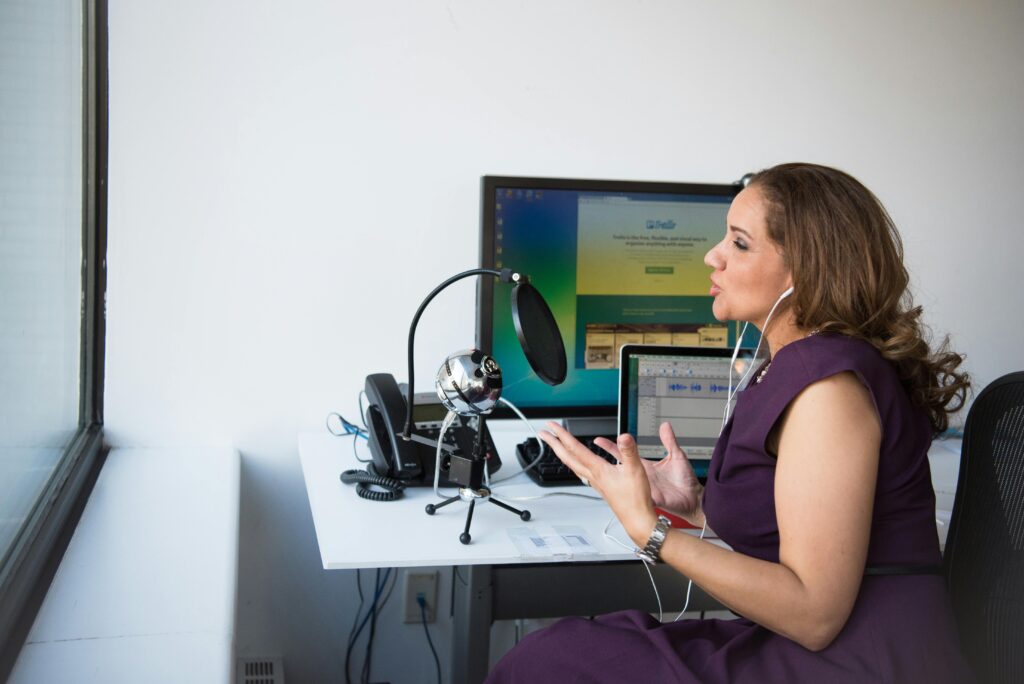
You don’t need a professional studio to start a podcast. At minimum, you’ll need:
- A good microphone – USB mics like the Blue Yeti or Audio-Technica ATR2100x are affordable and deliver great sound.
- Headphones – Prevents audio feedback and helps with editing.
- Recording software – Free tools like Audacity or GarageBand, or user-friendly platforms like Riverside.fm and Zencastr.
- Podcast hosting platform – Services like Buzzsprout, Podbean, or Anchor distribute your podcast to Spotify, Apple Podcasts, and more.
Start small, then upgrade as your podcast grows.
Step 4: Record and Edit Your First Episodes
Before launching, record at least 3–5 episodes. This gives new listeners a library to binge, making them more likely to subscribe.
Editing doesn’t have to be fancy, but make sure your audio is clean. Remove background noise, awkward pauses, and filler words where possible. You can use free software or outsource editing on Fiverr or Upwork if you prefer.
Step 5: Launch Your Podcast the Right Way
When you launch, you want to make a splash. Don’t just upload one episode. Drop several at once so listeners can really get a feel for your show. Promote your launch across all channels:
- Social media (Instagram, TikTok, Facebook groups)
- Your blog or website
- Email list
- Collaborations with other podcasters or influencers
Ask friends, family, and early listeners to subscribe, download, and leave reviews. These early signals help your podcast rank higher in directories like Apple Podcasts.
Step 6: Monetize From Day One
Now let’s get to the money part. While many podcasters wait until they have thousands of downloads, there are ways to monetize from your very first episode.
1. Affiliate Marketing
Promote products or services that relate to your podcast niche. For example, if you host a personal finance podcast, you could promote budgeting apps, credit card offers, or side hustle tools. Every time a listener signs up through your affiliate link, you earn a commission.
2. Sponsorships (Micro-Sponsorships Work Too)
Even if you don’t have a massive audience, you can land small sponsorships. Local businesses, online coaches, or niche brands may pay you to mention them. Some platforms like Podcorn connect small podcasters with sponsors.
3. Patreon or Membership Models
Ask your listeners to support you directly. Offer perks like ad-free episodes, bonus content, or behind-the-scenes access for a small monthly fee.
4. Digital Products
Leverage your podcast to sell digital downloads, courses, or eBooks. A podcast about cooking could sell recipe eBooks, while a marketing podcast could offer templates or workshops.
5. Merchandise
Even small podcasts can sell branded merch like mugs, stickers, or T-shirts. It builds community and brings in extra income.
Step 7: Grow Your Audience
The more listeners you have, the more money you can make. Here are growth strategies:
- Consistency – Release new episodes on the same day every week.
- Guest swaps – Appear on other podcasts and invite podcasters onto yours.
- SEO & show notes – Optimize your titles and descriptions so people searching on Google or Spotify can find you.
- Engage with listeners – Create a Facebook group or Discord community where listeners can interact with you.
- Repurpose content – Turn podcast episodes into blog posts, YouTube videos, or short TikTok clips.
Step 8: Track Your Progress
Success in podcasting is a long game, but you can track growth early. Most hosting platforms provide analytics such as:
- Number of downloads
- Listener locations
- What apps people use to listen
- Drop-off points in episodes
Pay attention to what episodes perform best and create more content around those topics.
Final Thoughts
Starting a podcast may feel overwhelming at first, but once you take the first step, it gets easier and more fun. With the right strategy, you don’t have to wait until you’re pulling in thousands of downloads to make money. By leveraging affiliate marketing, micro-sponsorships, memberships, and digital products, you can monetize your podcast from day one.
The key is to provide consistent value, grow your audience steadily, and think of your podcast not just as a hobby, but as a business. Who knows? The conversations you start today might turn into a thriving income stream tomorrow.