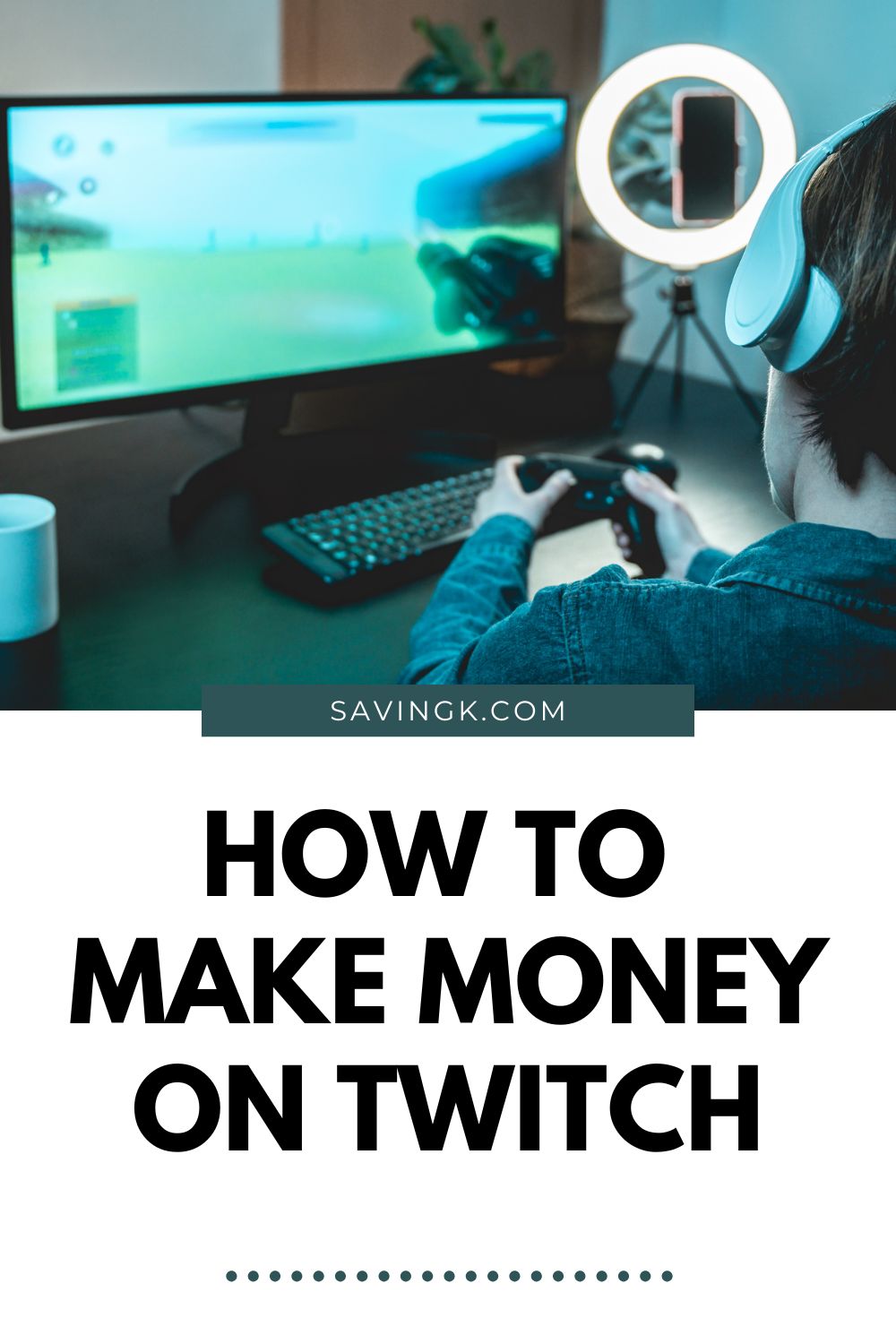


If you’ve ever spent hours watching gamers, musicians, or even “just chatting” personalities on Twitch and thought, I could do that, you’re not wrong. Twitch isn’t just a platform for entertainment, it’s a business opportunity. With the right strategy, consistency, and community-building, you can turn your streaming hobby into a real source of income.
This guide walks you through exactly how to make money on Twitch, whether you’re starting from scratch or looking to scale your existing channel.
Understanding Twitch as a Platform
Before diving into monetization, it helps to understand what Twitch actually is. Owned by Amazon, Twitch is the world’s largest live-streaming platform, most known for video games but also home to musicians, fitness coaches, talk-show hosts, and creative professionals.
Unlike YouTube, Twitch is all about live interaction. That means your community isn’t just passively watching; they’re chatting, donating, subscribing, and actively shaping the stream. And where there’s engagement, there’s money to be made.
Step 1: Build a Foundation Before Monetizing
It’s tempting to jump straight into making money, but you need to lay the groundwork first. Twitch rewards streamers who are consistent, engaging, and community-focused.
Here are three essentials before you can start monetizing:
- Consistency: Stream on a schedule so your viewers know when to tune in.
- Niche Selection: Decide what you’re offering—gaming, art, music, cooking, or even IRL streams.
- Community Engagement: Respond to chat, run polls, and build inside jokes. A loyal community is more likely to support you financially.
Once you’ve built some traction, it’s time to turn on the money faucet.
Step 2: Join the Twitch Affiliate or Partner Program
The official way to make money on Twitch is through the Affiliate and Partner programs. These give you access to built-in monetization tools like subscriptions and ad revenue.
Affiliate requirements (easier to reach):
- 50 followers
- 500 total minutes streamed in the last 30 days
- Stream on at least 7 different days
- Average of 3 concurrent viewers
Partner requirements (harder but more lucrative):
- Stream for 25 hours in 30 days
- Stream on 12 different days
- Average of 75 concurrent viewers
Once you qualify, you unlock revenue opportunities inside Twitch itself.
Step 3: Subscriptions and Bits
Two of the main ways Twitch creators earn money are through subscriptions and bits.
- Subscriptions: Viewers can subscribe to your channel at $4.99, $9.99, or $24.99 per month. As an Affiliate or Partner, you get a revenue split (usually 50/50, though top streamers may negotiate better deals). Subscribers often get perks like ad-free viewing, custom emotes, and sub-only chat access.
- Bits: Think of bits as Twitch’s built-in tipping currency. Viewers buy bits from Twitch and “cheer” during your stream. You earn about one cent per bit. While it doesn’t sound like much, active chats full of cheers can really add up.
Subscriptions and bits are the bread-and-butter of many streamers’ income.
Step 4: Ad Revenue
Twitch runs ads during your stream, and once you’re an Affiliate or Partner, you can share in the revenue. Ads can run pre-roll, mid-roll, or on-demand.
While ad revenue usually isn’t as high as subs or bits (unless you have a huge audience), it’s a nice layer of passive income once your channel grows. Plus, Twitch has recently given creators more control over when ads run, which helps minimize disruption for viewers.
Step 5: Donations and Third-Party Tipping
Not all tips have to go through Twitch. Many streamers set up donation links through PayPal, Streamlabs, or Ko-fi. These can be more lucrative because you keep most of the money instead of splitting it with Twitch.
Viewers often enjoy the direct interaction that comes with donations. You can set up alerts that pop up on screen whenever someone donates, which encourages more contributions.
Step 6: Sponsorships and Brand Deals
Once you’ve built an audience, companies will pay to get in front of it. Sponsorships can include:
- Shoutouts and brand mentions during streams
- Sponsored gameplay (playing a certain game or using a specific product)
- Affiliate links (earning commission when viewers buy through your link)
Even if you’re a smaller streamer, you can land deals with gaming accessory brands, energy drink companies, or indie game developers who want exposure.
Pro tip: Sites like Lurkit, PowerSpike, or Nexus connect streamers with sponsorship opportunities.
Step 7: Merchandise and Digital Products
Selling your own merch is another way to monetize. Think t-shirts, hoodies, mugs, or stickers with your channel’s logo or catchphrases. Services like Teespring, Streamlabs Merch, or Spreadshop let you set this up with zero upfront cost.
Don’t stop at physical products; you can also sell digital products. Examples include:
- Exclusive guides or tutorials (like gaming strategies)
- Music tracks or overlays for other streamers
- Subscription-only Discord access
- Digital printables
Merch creates an additional income stream while also promoting your brand outside Twitch.
Step 8: Cross-Platform Growth
Twitch shouldn’t be your only platform. Many successful streamers also build audiences on YouTube, TikTok, Instagram, and Twitter.
For example:
- Post highlight reels from your Twitch streams on TikTok.
- Upload full playthroughs or tutorials on YouTube.
- Use Twitter to connect with fans and announce your schedule.
Cross-promotion helps bring in new viewers, which leads to more subscriptions, donations, and sponsorships.
Step 9: Diversify with Affiliate Marketing
Since Twitch is owned by Amazon, you can integrate Amazon affiliate links directly into your channel. Share links to your gear, games you play, or products you recommend. Whenever a viewer makes a purchase, you earn a commission.
This works especially well if you have a niche community. For example, if you stream cooking, you could link the kitchen tools you use. If you’re into fitness, drop links for supplements or workout equipment.
Step 10: Scaling from Side Hustle to Full-Time Income
Making money on Twitch isn’t just about streaming, it’s about building a business. Once you have consistent revenue streams, consider scaling by:
- Hiring moderators to keep your chat safe and engaging.
- Outsourcing editing for YouTube/TikTok content.
- Investing in better gear (camera, mic, lighting) to improve production value.
- Setting goals with your community, like subathons or charity streams.
Scaling is about working smarter, not just harder. If you treat your channel like a business, the income potential grows exponentially.
Final Thoughts
Making money on Twitch isn’t easy—it takes dedication, patience, and a lot of streaming hours. But with the right mix of subscriptions, bits, donations, sponsorships, merchandise, and cross-platform promotion, you can absolutely turn your channel into a profitable side hustle, and even a full-time career.
The most successful Twitch streamers aren’t necessarily the most skilled gamers. They’re the ones who build loyal communities and deliver consistent, engaging content. If you can do that, the money will follow.