
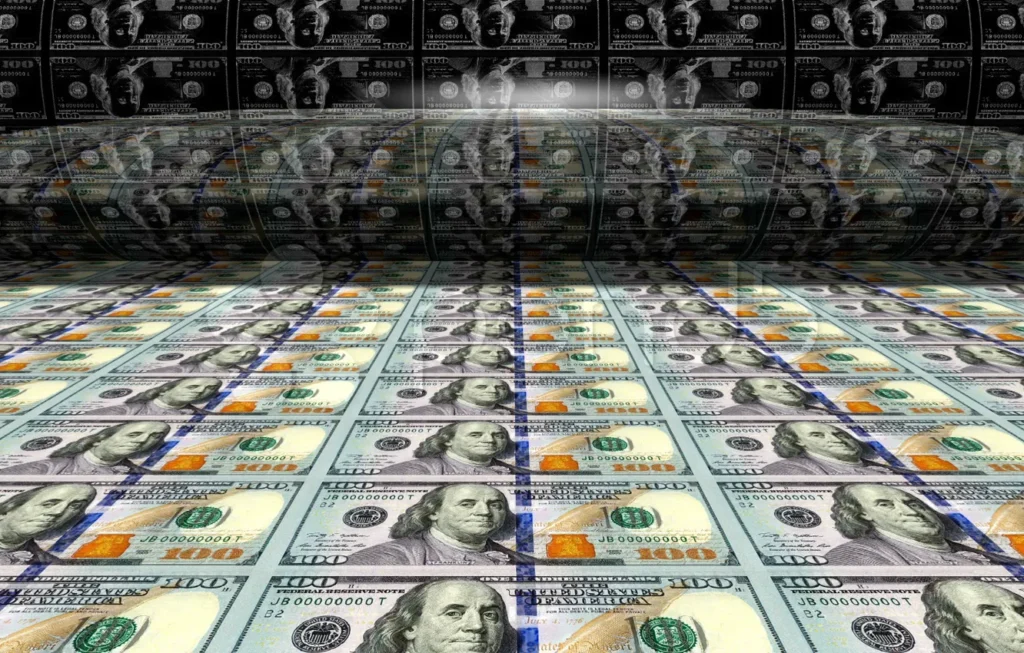

Currency, both in paper bills and coins, is one of the most essential components of any economy. It keeps trade flowing and represents the trust people place in their government. But have you ever wondered how much it actually costs to make the cash you use every day? The numbers might surprise you.
Below is an updated breakdown of the exact cost to print each type of U.S. dollar bill, the cost to mint each coin, and a look at why the penny is so controversial including the fact that the U.S. has repeatedly considered discontinuing it due to high production costs.
The Basics of Currency Production
What Is Physical Currency?
Physical currency includes both paper bills and coins. While digital money dominates modern transactions, physical cash remains vital for everyday purchases, tipping, emergencies, and communities without reliable banking access.
Who Produces U.S. Currency?
- Paper money → Bureau of Engraving and Printing (BEP)
- Coins → U.S. Mint
Both organizations design, print, and distribute currency, adding layers of security to deter counterfeiting.
Cost Breakdown of Printing Money
Actual Cost to Print Each Paper Bill
According to the BEP’s published data, here’s what it costs to produce each U.S. bill:
| Denomination | Cost per Bill |
|---|---|
| $1 bill | 3.7 cents |
| $2 bill | 3.7 cents |
| $5 bill | 9.4 cents |
| $10 bill | 10.8 cents |
| $20 bill | 11.5 cents |
| $50 bill | 11.0 cents |
| $100 bill | 17.3 cents |
Higher denominations cost more because they require more advanced security features like:
- Color-shifting ink
- 3D security ribbons
- Security threads
- Microprinting
- Watermarks
Cost of Coins
Coins are made from various metals, primarily zinc, copper, and nickel. But here’s the shocking part: some coins cost more to make than they’re worth.
Actual U.S. Mint Production Costs per Coin
| Coin | Face Value | Cost to Mint |
|---|---|---|
| Penny (1¢) | 1 cent | 2.7 cents |
| Nickel (5¢) | 5 cents | 10.4 cents |
| Dime (10¢) | 10 cents | 3.8 cents |
| Quarter (25¢) | 25 cents | 9.6 cents |
| Half Dollar (50¢) | 50 cents | 11.5 cents |
| Dollar Coin ($1) | $1 | 8.5 cents |
That means the government loses money on:
- Every penny (pennies have now been discontinued)
- Every nickel
This is called negative seigniorage, and it costs taxpayers tens of millions per year.
Why the U.S. Considered Stopping Pennies
Because pennies cost almost three times their face value, the Mint has repeatedly recommended discontinuing them. Many countries—including Canada—have removed their lowest denomination due to similar cost issues.
Reasons the U.S. Wants to Stop Pennies:
- Expensive to produce
- Most people don’t use them
- They’re not accepted in vending machines
- Many are thrown away or stored in jars, not circulating
- Eliminating pennies would save millions of dollars per year
The U.S. Mint now produces fewer pennies than in past decades, and many lawmakers have proposed bills to stop minting them altogether. While they haven’t officially halted production yet, the pressure to end penny production grows each year because it simply isn’t cost-effective.
Additional Factors That Influence Currency Costs
Several variables impact production costs:
- Metal prices (nickel, copper, zinc)
- Cotton and linen costs for paper bills
- Increasing security features
- Energy costs at Mint and BEP facilities
- Production volume — larger runs reduce cost per unit
The Life Cycle of Currency
Lifespan of Bills
- $1 bill: ~6.6 years
- $5 bill: ~4.7 years
- $20 bill: ~7.8 years
- $100 bill: ~23 years
Higher denominations last longer because they circulate less frequently.
Lifespan of Coins
- 30+ years for most coins
- Some coins last 50 years or more
Because coins last so long, their high upfront cost is partially offset by longevity, except for pennies, which often never re-enter circulation.
Economic Implications of Printing Money
Financial Costs
The U.S. spends hundreds of millions of dollars annually on:
- Printing bills
- Minting coins
- Replacing worn currency
- Distributing new currency
Environmental Costs
Producing money involves:
- Mining metals
- Manufacturing processes
- High energy use
- Transportation-related emissions
Countries like Canada and Australia have moved to polymer notes to reduce waste and increase durability.
Interesting Facts
- The $100 bill is one of the least circulated but most exported bills.
- Canada saved $11 million per year by eliminating pennies.
- Polymer bills can last 2–3 times longer than cotton-linen bills.
The Future of Currency Production
Digital Payments Are Rising
Cash use drops every year as consumers switch to:
- Debit/credit cards
- Tap-to-pay
- Digital wallets
- Online banking
Technology May Reduce Costs
Innovations like:
- AI-powered counterfeit detection
- Blockchain security
- More durable materials
…could reshape future currency systems.
Conclusion: The Real Cost of Printing Money
The cost to print or mint money is far higher than most people imagine. A penny costs nearly triple what it’s worth, nickels lose money too, and even high-tech $100 bills cost 17.3 cents each to print.
Physical money remains important, but it is surprisingly expensive, environmentally impactful, and inefficient at low denominations. As digital payments continue to rise and the cost of materials climbs, the future of cash, and especially the penny, will likely continue to evolve.