
Sending money across borders used to feel like feeding cash into a mysterious airport vending machine. You push in dollars, press a few buttons, and somehow less money comes out on the other side. Between exchange rates, transfer fees, hidden markups, and bank charges, international money transfers can quietly drain your wallet.
The good news is that you can save a surprising amount of money with a few smart strategies. Whether you are sending money to family overseas, paying international freelancers, supporting a student abroad, or handling business expenses, understanding how transfers work can help you keep more of your money where it belongs: with you.
Understand the Real Cost of a Transfer
Most people focus only on the visible transfer fee. But that is often just the tip of the iceberg floating in the currency exchange sea.
International money transfers usually involve two costs:
- The transfer fee
- The exchange rate markup
For example, a company may advertise a “free” transfer but give you a poor exchange rate. Another may charge a small upfront fee but offer a much better conversion rate. In many cases, the exchange rate matters more than the fee itself.
A difference of just 2% in the exchange rate can cost you $20 on a $1,000 transfer. Larger transfers can lose hundreds.
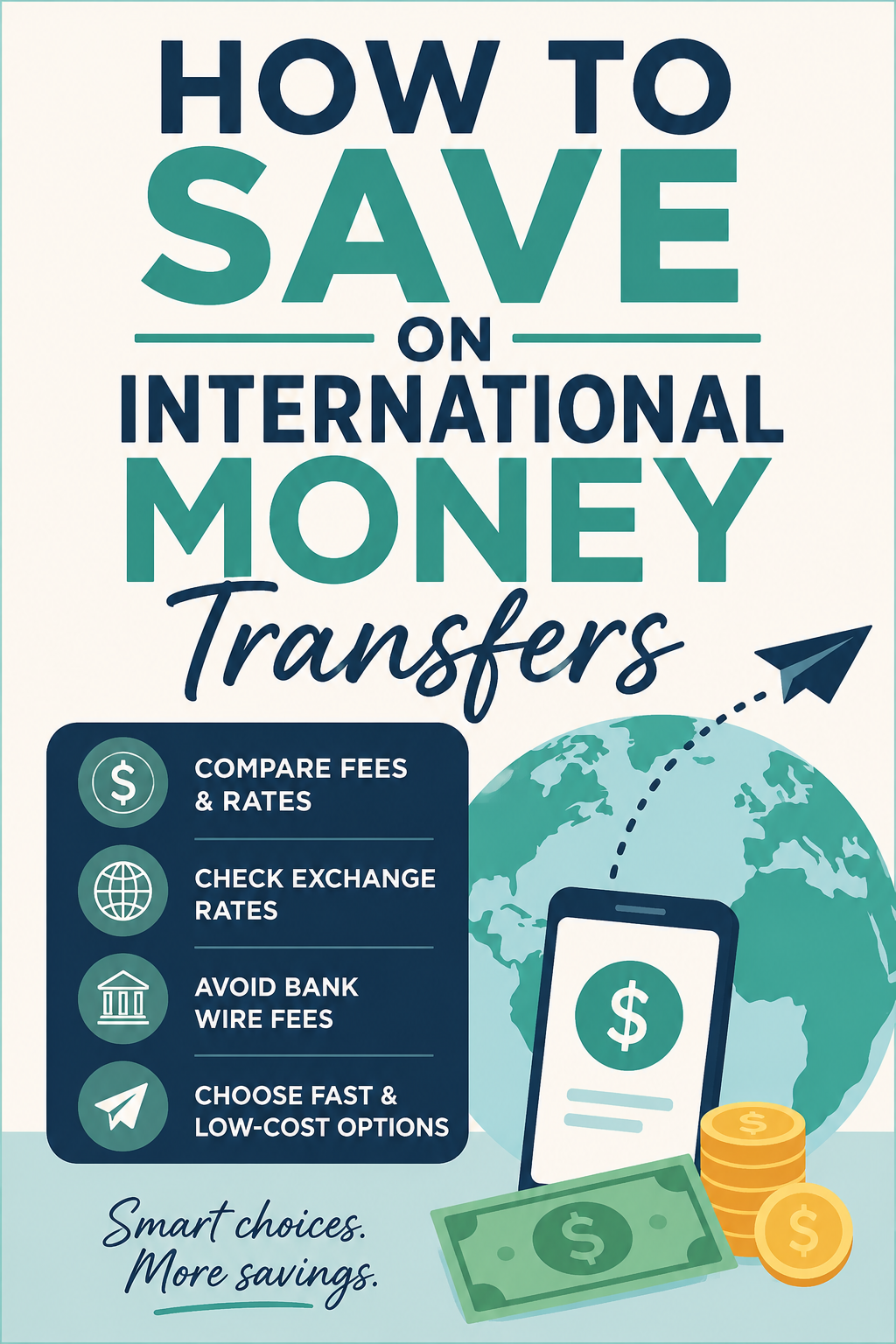
Before sending money, always compare:
- Total fees
- Exchange rates
- Delivery speed
- Receiving fees on the other end
The cheapest-looking option is not always the cheapest in reality.
Avoid Traditional Bank Transfers When Possible
Banks are convenient, but they are often expensive for international transfers. Many traditional banks charge:
- Outgoing wire fees
- Incoming wire fees
- Currency conversion markups
- Intermediary bank fees
The final amount received can end up looking like it survived a pirate attack.
Online transfer services are often much cheaper because they specialize in currency exchange and global transfers. Many also provide transparent pricing before you send the money.
Compare Multiple Transfer Services
Never assume one service is always the best. Rates change constantly.
Popular international transfer companies include:
- Wise
- Remitly
- XE
- OFX
- Western Union
- PayPal
You can also visit their official sites directly:
Some services are better for:
- Small personal transfers
- Large business payments
- Cash pickup
- Fast delivery
- Mobile transfers
- Frequent recurring transfers
A little comparison shopping can save a lot over time.
Watch the Exchange Rate Timing
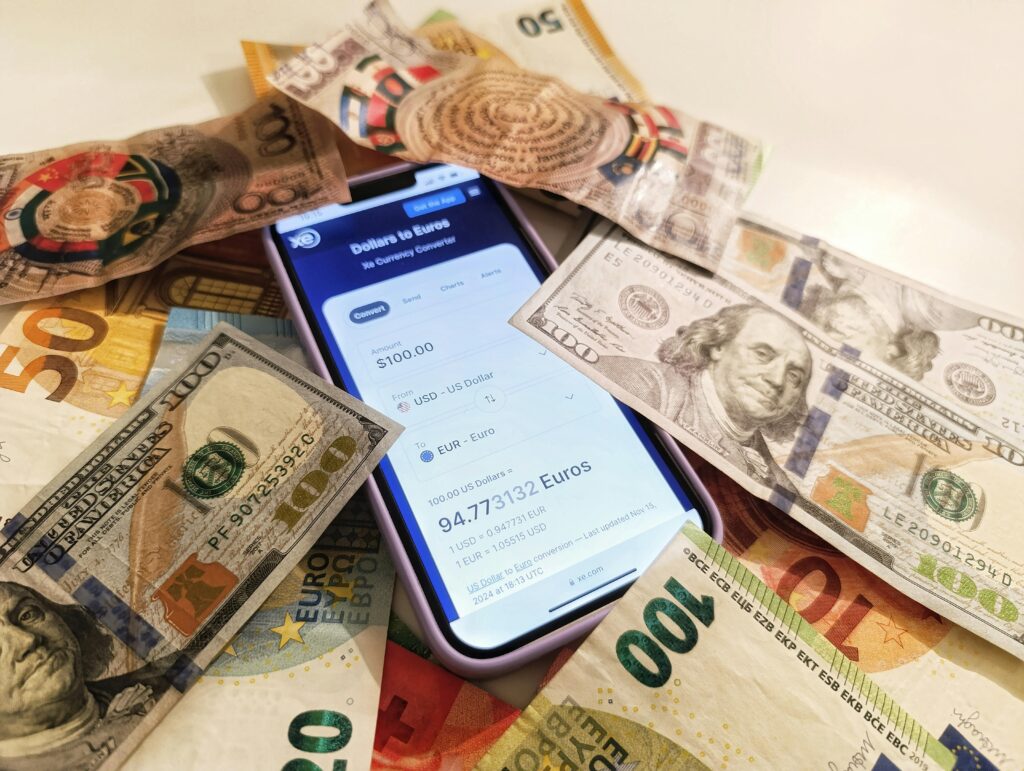
Currency exchange rates move constantly. Sending money on the wrong day can cost more than you think.
If your transfer is not urgent:
- Watch exchange rate trends
- Set rate alerts
- Transfer when rates improve
Some platforms even allow you to lock in an exchange rate ahead of time.
It is a little like buying airline tickets, except instead of obsessing over vacation prices, you are obsessing over the Canadian dollar at 11:47 p.m.
Use Local Currency When Possible
If you are given the option to pay in your own currency or the recipient’s local currency, choose carefully.
Many credit cards and payment processors use something called Dynamic Currency Conversion (DCC). It sounds fancy and helpful. In reality, it often comes with terrible exchange rates.
Whenever possible:
- Pay in the local currency
- Let your bank or transfer provider handle the conversion
This usually results in a better rate.
Avoid Credit Card Funding Fees
Using a credit card to fund an international transfer can trigger:
- Cash advance fees
- Higher interest rates
- Foreign transaction fees
A bank account or debit card is often much cheaper.
If you do use a credit card, check whether your card charges:
- Foreign transaction fees
- Cash advance fees
- International processing fees
Those surprise charges can appear later like financial jump scares.
Send Larger Transfers Less Frequently
If you regularly send money abroad, consolidating transfers may reduce fees.
For example:
- One $1,000 transfer may cost less than four $250 transfers
- Fewer transactions often mean fewer flat fees
Just make sure exchange rates still work in your favor.
Check Delivery Methods
Different delivery methods come with different costs.
Common options include:
- Bank deposit
- Mobile wallet
- Cash pickup
- Debit card transfer
Cash pickup is usually more expensive. Bank deposits are often cheaper.
If the recipient has a bank account or mobile payment app available, using those methods can save money.
Look for First-Time User Promotions
Many transfer companies offer:
- Fee-free first transfers
- Better introductory exchange rates
- Referral bonuses
If you only send money occasionally, these promotions can help cut costs significantly.
Just remember to compare the overall exchange rate too. A “free” transfer with a weak exchange rate can still cost more overall.
Double-Check Recipient Information
Mistakes can become expensive very quickly.
Incorrect:
- Account numbers
- SWIFT codes
- Recipient names
- Banking details
…can lead to delays, reversal fees, or lost transfers.
Always verify information before sending. Triple-checking takes two minutes. Fixing an international banking mistake can feel like trying to solve a crossword puzzle during a thunderstorm.
Be Careful With Transfer Scams
International transfer scams are common because transfers are often difficult to reverse.
Red flags include:
- Requests for urgent overseas payments
- Romance scams
- Fake investment opportunities
- Unexpected payment requests
- Requests to pay with wire transfers or gift cards
Never send money to someone you do not know or trust.
If something feels rushed, secretive, or oddly dramatic, pause before transferring funds.
The Bottom Line
Saving money on international transfers is mostly about paying attention to the details that companies hope you overlook.
The smartest approach is to:
- Compare providers
- Watch exchange rates
- Avoid unnecessary fees
- Use the right payment methods
- Understand the total cost before sending
A few extra minutes of research can keep more money in your pocket instead of floating away into the mysterious fog of international banking fees.