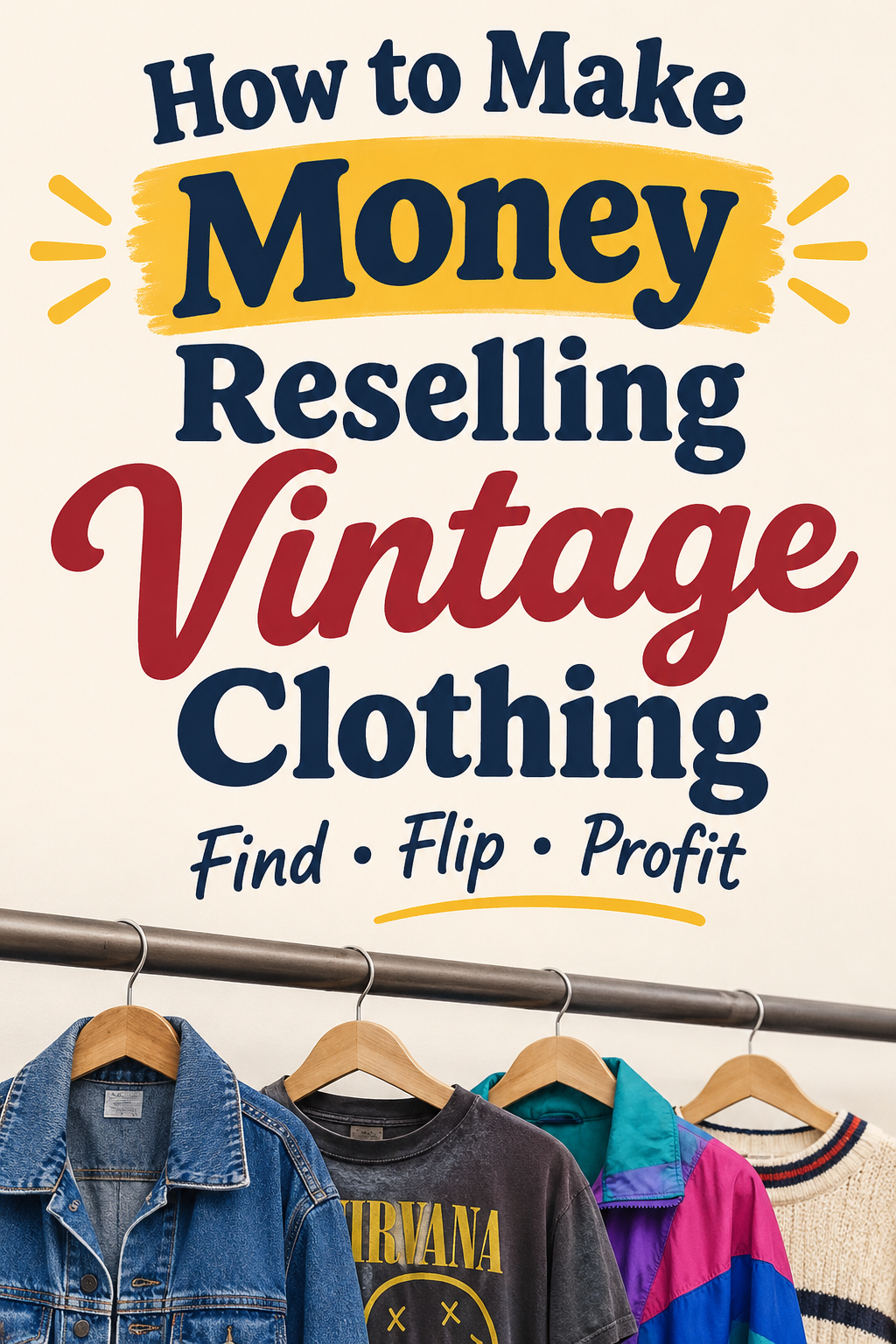

Vintage clothing is making a comeback, and for savvy resellers, that means an opportunity to turn secondhand fashion into extra cash. From retro graphic tees and classic denim to 90s windbreakers and vintage designer pieces, shoppers are willing to pay for unique clothing they can’t find at their local mall.
The best part? You don’t need a huge investment to get started. With a little knowledge, patience, and an eye for hidden treasures, you can build a profitable side hustle reselling vintage clothing.
Whether you’re looking to make a few hundred dollars a month or eventually start your own vintage clothing business, here’s how to get started.
What Is Considered Vintage Clothing?
Generally, clothing is considered vintage when it’s at least 20 years old. That means clothing from the early 2000s and earlier can qualify as vintage today.
However, just because something is old doesn’t automatically make it valuable. The most profitable vintage clothing typically has a combination of desirable brands, unique styles, quality materials, rarity, or cultural significance.
Some popular vintage clothing categories include:
-
Vintage graphic tees: Band shirts, concert merchandise, sports teams, and movie graphics.
-
90s and Y2K fashion: Baby tees, baggy jeans, cargo pants, and nostalgic brands.
-
Vintage denim: Levi’s, Wrangler, Lee, and other classic denim blue jeans brands.
-
Vintage sportswear: Nike, Adidas, Champion, and Starter jackets.
-
Designer clothing: Older pieces from brands such as Ralph Lauren, Burberry, and Gucci.
-
Vintage workwear: Carhartt jackets, Dickies pants, and military-inspired clothing.
-
Retro dresses: Floral prints, prairie dresses, and unique styles from past decades.
Vintage clothing also appeals to environmentally conscious shoppers who prefer buying secondhand instead of purchasing new fast fashion.
Why Reselling Vintage Clothing Can Be Profitable
One of the biggest advantages of reselling vintage clothing is the potential profit margin.
You might find a vintage sweatshirt at a thrift store for $5 and resell it online for $35 or more. Some rare vintage shirts and designer pieces can sell for hundreds of dollars, although those finds are the exception rather than the rule.
Example: Vintage sweatshirt resale
| Purchase price | $5.00 |
| Resale price | $35.00 |
| Marketplace fees (example) | -$4.55 |
| Packaging supplies | -$0.75 |
| Cost of clothing | -$5.00 |
| Estimated profit | $24.70 |
Illustrative example assuming the buyer pays shipping. Actual fees, taxes, returns, and other expenses will vary.
Selling just 20 similar items per month could generate approximately $494 in profit before other business expenses and taxes.
Of course, not every piece will sell quickly or for a high price. The key is learning which items are worth buying and avoiding inventory that sits for months.
Where to Find Vintage Clothing to Resell
Finding inexpensive inventory is one of the most important parts of running a successful vintage clothing business.
1. Thrift Stores
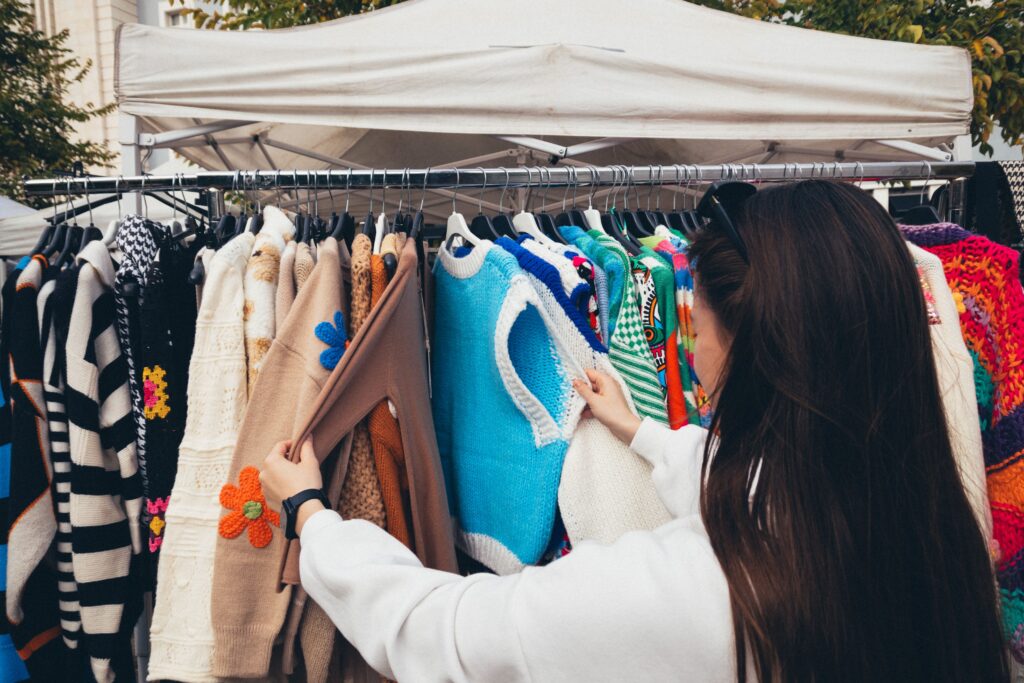
Goodwill, Salvation Army, and independently owned thrift stores are popular places to source vintage clothing.
Look beyond the obvious vintage racks. Sometimes valuable items are mixed in with regular clothing because employees don’t recognize their resale potential.
Check men’s, women’s, and children’s sections, as well as clearance racks.
2. Garage Sales and Estate Sales
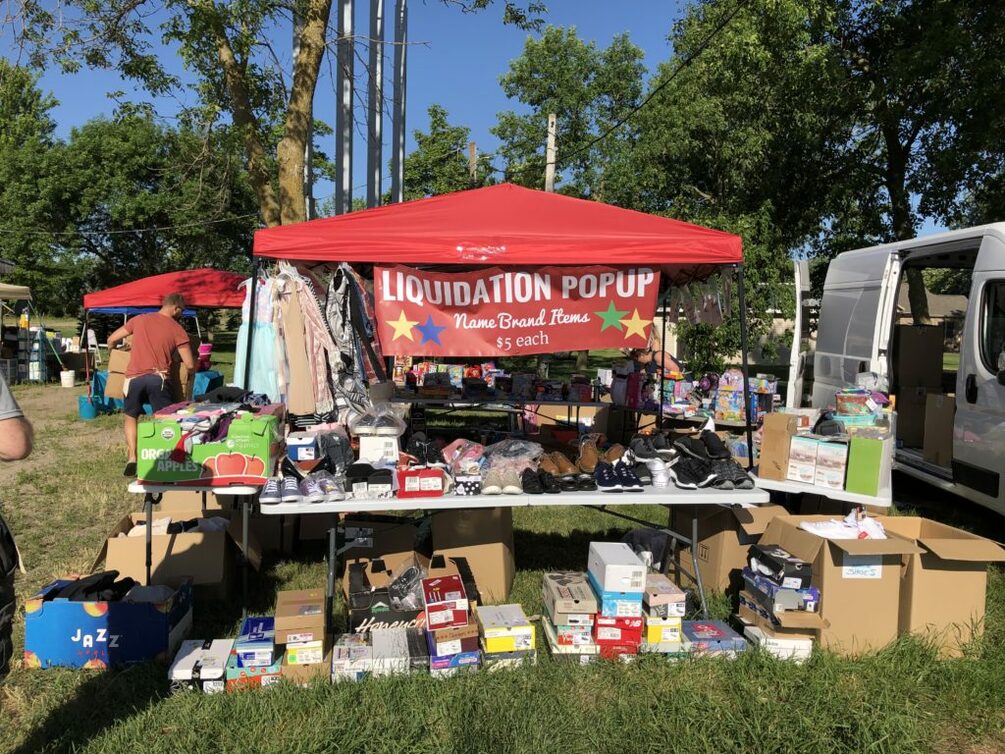
Garage sales can be gold mines for vintage clothing, especially when people are clearing out closets filled with decades-old items.
Estate sales are particularly worth exploring because they may include clothing from the 1950s through the 1990s.
Don’t overlook old jackets, hats, denim, and accessories.
3. Goodwill Bins
Goodwill Outlet stores, often called the Goodwill Bins, sell merchandise by weight at participating locations.
Because clothing is priced by the pound rather than individually, it’s possible to source vintage items for very little money.
However, shopping at the bins requires patience. You’ll often need to sort through large quantities of clothing to find worthwhile pieces.
4. Flea Markets and Auctions
Flea markets, estate auctions, and local auctions can be excellent sources of vintage clothing.
Look for sellers offering large clothing lots rather than individual pieces. Buying in bulk may reduce your average cost per item.
5. Facebook Marketplace
Search Facebook Marketplace for terms such as “old clothes,” “vintage clothing lot,” “closet cleanout,” or “grandma’s clothes.”
Some sellers simply want to clear out space and may be willing to negotiate a discounted price for an entire collection.
6. Your Own Closet
Before spending money on inventory, look through your own closet or ask family members if they have clothing they no longer wear.
Old concert shirts, college sweatshirts, denim jackets, and branded sportswear could be worth more than you expect.
Starting with clothing you already own is a great way to learn the business without risking much money.
What Vintage Clothing Sells Best?
Certain vintage clothing categories tend to attract more buyers than others.
Vintage Band T-Shirts
Original concert shirts, band merchandise, and older graphic tees can be highly collectible. Authenticity, licensing, print details, and condition matter.
Vintage Levi’s Jeans
Classic Levi’s 501 jeans and certain older denim styles have strong collector interest. Research the care tags, construction, and production era.
90s Windbreakers and Sportswear
Colorful jackets, embroidered sweatshirts, and retro athletic apparel from brands such as Nike, Adidas, and Starter can appeal to nostalgic shoppers.
Vintage Workwear
Older Carhartt jackets, Dickies clothing, and durable workwear pieces are popular for their rugged construction and worn-in appearance.
Y2K Clothing
Early 2000s fashion, including baby tees, low-rise jeans, velour tracksuits, and distinctive denim styles, appeals to shoppers embracing nostalgic trends.
Remember that demand changes. Always check recently sold listings before assuming a particular brand or style will bring a high resale price.
How to Identify Authentic Vintage Clothing
Learning how to date clothing is an important skill for vintage resellers.
Some clothing is designed to look old but was actually manufactured recently. These pieces are usually described as vintage-inspired rather than authentic vintage.
Here are a few clues to look for.
Clothing Tags
Older clothing labels can provide valuable information about when an item was manufactured.
Look at the brand logo, fabric content, care instructions, country of manufacture, and tag design.
Researching vintage clothing labels online can help you estimate an item’s age.
Single-Stitch T-Shirts
Many older T-shirts feature single-stitch construction along the sleeves or bottom hem.
This detail is often associated with shirts manufactured before the widespread adoption of double-stitch construction.
However, single stitching alone doesn’t prove that a shirt is vintage. Some modern manufacturers still use this technique.
Made in USA Labels
Many vintage clothing pieces were manufactured in the United States before brands moved more production overseas.
A Made in USA tag can be a helpful clue, but it doesn’t automatically mean an item is old or valuable.
Fabric and Construction
Older clothing sometimes features heavier fabrics, distinctive stitching, or construction methods that differ from modern garments.
Experience will help you recognize these details more quickly.
Date Codes and Brand History
Some brands have identifiable production codes, changing logos, or specific tag styles associated with certain decades.
Researching these details can help you avoid accidentally selling modern reproductions as vintage originals.
Where to Sell Vintage Clothing Online
Choosing the right marketplace can make a big difference in how quickly your clothing sells.
| Platform | Best for |
|---|---|
| eBay | Vintage clothing, collectible tees, denim, and broad buyer reach |
| Depop | Y2K fashion, streetwear, and trend-focused vintage |
| Poshmark | Branded clothing, jackets, shoes, and accessories |
| Etsy | Curated vintage clothing that meets Etsy’s vintage age requirements |
| Whatnot | Live auctions, clothing bundles, and repeat customers |
| Facebook Marketplace | Local clothing lots and avoiding shipping on pickup sales |
Many successful resellers list inventory on multiple platforms to reach more potential buyers.
Prefer to sell locally? Consignment stores are another option, especially for higher-end or designer vintage pieces you’d rather not photograph, list and ship yourself. The store handles pricing and sales and pays you a share when an item sells. Terms vary a lot from store to store, so check the payout split and markdown schedule before you drop anything off. Consignment Store Insider lists contract terms and markdown schedules by store, so you can compare what you’d actually earn before you go.
Just make sure you remove sold items from your other listings to avoid accidentally selling the same item twice.
How to Price Vintage Clothing for Profit
Pricing vintage clothing takes a little more research than pricing ordinary secondhand clothes.
Unlike modern retail items, vintage pieces may have limited availability, making their value harder to determine.
The best way to price your inventory is to research actual sold listings.
For example, on eBay, search for the item and filter by sold listings. This shows what buyers have actually paid rather than what sellers are hoping to receive.
When determining your asking price, consider:
-
Brand and estimated age
-
Rarity and collector demand
-
Condition, stains, and repairs
-
Size and measurements
-
Current fashion trends
-
Comparable sold prices
-
Marketplace fees and shipping costs
Reseller tip: Set a minimum profit goal before purchasing inventory. If you want to earn at least $15 per item, work backward from a realistic resale price to determine how much you can afford to pay.
Tips for Selling Vintage Clothing Faster
Finding great vintage clothing is only half the battle. You also need to make your listings appealing to buyers.
Take High-Quality Photos
Photograph clothing in natural lighting against a clean background.
Include pictures of the front, back, brand tag, size tag, and any flaws.
For particularly desirable vintage pieces, photograph details such as stitching, zippers, and graphics.
Include Measurements
Vintage sizing can be very different from modern sizing.
A vintage large may fit more like a modern medium, so don’t rely on the tag alone.
For tops, include chest width and length. For pants, include waist, inseam, rise, and leg opening.
Accurate measurements help buyers feel confident about their purchases.
Use Searchable Titles
A descriptive listing title helps shoppers find your items.
For example, instead of:
Old Nike Sweatshirt
Try:
Vintage 90s Nike Gray Crewneck Sweatshirt Embroidered Logo Size Large
Only include the decade and other identifying details if you have enough evidence to support them.
Be Honest About Condition
Vintage clothing may have fading, small holes, stains, or other signs of wear.
Some buyers actually appreciate a naturally distressed appearance, especially with vintage denim and graphic tees.
However, you should always disclose flaws and photograph them clearly.
Don’t Overlook Cleaning and Repairs
A little effort can sometimes increase the resale value of vintage clothing.
Washing, steaming, removing lint, or making minor repairs can help an item look more appealing.
Be careful with delicate fabrics, older graphics, and collectible pieces. Improper cleaning can permanently damage valuable clothing.
How Much Money Can You Make Reselling Vintage Clothing?
Your earnings will depend on how much inventory you source, how quickly it sells, and your average profit per item.
Here’s an example of potential monthly profits:
| Items sold per month | Average profit per item | Monthly profit |
|---|---|---|
| 10 | $15 | $150 |
| 25 | $15 | $375 |
| 50 | $15 | $750 |
| 100 | $15 | $1,500 |
These figures are hypothetical and assume the $15 average profit already accounts for item costs and basic selling expenses. They don’t include income taxes, storage costs, or the value of your time.
Some resellers focus on selling a high volume of inexpensive items, while others specialize in rare vintage clothing with higher profit margins.
Neither approach is necessarily better. The right strategy depends on your sourcing opportunities, available storage space, and how much time you want to invest.
Common Mistakes to Avoid When Reselling Vintage Clothing
Beginners often make a few predictable mistakes when starting their vintage resale businesses.
Buying everything that looks old: Just because something is vintage doesn’t mean there’s a market for it.
Overpaying for inventory: A $50 vintage jacket might sell for $75, but after fees and shipping, the profit may not justify the effort.
Ignoring condition: Stains, odors, broken zippers, and damage can significantly reduce resale value.
Not researching sold prices: Active listings don’t necessarily reflect what buyers are willing to pay.
Holding inventory too long: Sometimes it’s better to accept a smaller profit and reinvest the money into faster-selling merchandise.
Buying too much too soon: Start small until you understand which brands and categories perform best.
How to Start a Vintage Clothing Reselling Business With $100
You don’t need thousands of dollars to launch a vintage clothing side hustle.
Here’s one way to allocate a $100 starting budget:
Example $100 starter budget
- Inventory: $60
- Supplies: $20
- Cleaning: $10
- Reserve: $10
Start by purchasing 10 to 15 carefully selected clothing items at thrift stores or garage sales.
Research each item, take good photographs, and list everything online.
As items sell, reinvest a portion of your profits into additional inventory.
Over time, you’ll learn which styles sell quickly and which purchases aren’t worth repeating.
Can You Make Money Selling Vintage Clothing on Whatnot?
Yes! Whatnot can be another option for vintage clothing resellers, particularly those who enjoy live selling.
Unlike traditional marketplaces where buyers browse individual listings, Whatnot allows sellers to auction items during live shows.
Vintage sellers can create themed shows featuring 90s clothing, graphic tees, sportswear, denim, or mystery clothing bundles.
One advantage of live selling is the ability to move multiple items in a short period. However, auctions can also result in lower selling prices when there aren’t enough interested bidders.
Consider starting auctions at prices you’re comfortable accepting rather than assuming bidding wars will drive up the price.
Giveaways, consistent show schedules, and engaging presentations can help attract repeat viewers.
For more live-selling ideas, check out our guide to the best Whatnot giveaways.
Is Reselling Vintage Clothing Worth It?
Reselling vintage clothing can be a rewarding side hustle for anyone who enjoys thrift shopping, fashion, or finding hidden treasures.
It’s relatively inexpensive to start, offers flexible working hours, and can be operated entirely from home.
However, success requires more than simply buying old clothes. You’ll need to research brands, understand trends, take quality photographs, manage inventory, and price items strategically.
The most successful vintage resellers develop an eye for pieces that other shoppers overlook.
Start with a small budget, track your profits, and gradually expand into the categories you know best.
You never know when a $3 thrift store find might turn into your next $100 sale!