
A garage sale sounds easy. Drag things outside, put prices on them, and wait for people to show up with cash. But the difference between a $40 day and a $400 day usually comes down to a few small decisions.
If you treat your garage sale like a quick, one-day shop instead of a random pile of stuff, you’ll sell more and bring a lot less back inside.
Start With What People Actually Want
Before you think about tables or signs, take a hard look at what you’re selling. The best garage sales don’t have the most stuff. They have the right stuff.
Go room by room and pull items you haven’t used in the past year, things you forgot you owned, or anything you wouldn’t bother packing if you moved. That mindset alone filters out a lot of items that won’t sell. If you already know you don’t want to deal with it again later, price it accordingly from the start.
Price Like a Garage Sale, Not a Retail Store
This is where a lot of people go wrong. Garage sale shoppers expect deals, not negotiations that feel like retail pricing with a small discount.
Clothing usually moves in the $1 to $5 range, and most small household items land somewhere between $1 and $10. Larger items can bring more, but even those typically sell best at a fraction of what you originally paid. The key is simple pricing. Round numbers move faster because they make buying feel easy.
If you’re unsure, price slightly higher early in the day, knowing you can adjust later. Just don’t get stuck holding out for prices that keep things from selling.
Make It Look Worth Stopping For
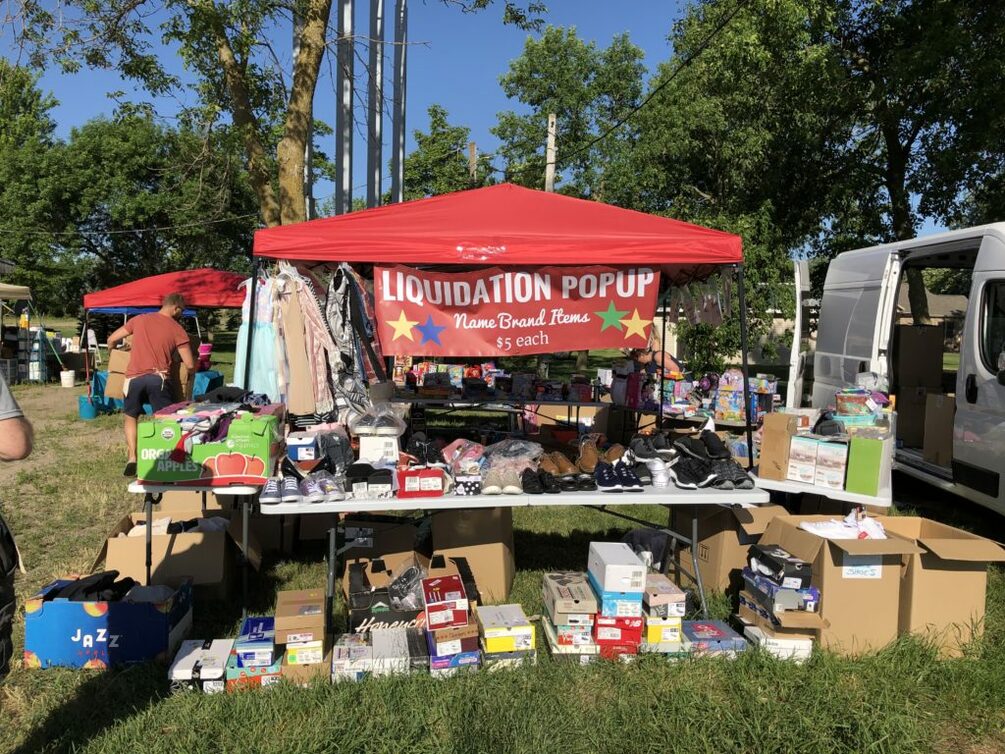
Presentation quietly does a lot of the selling for you. When everything is laid out clearly, people assume the items are better.
Get the Word Out in the Right Places
Even the best setup won’t matter if no one shows up. Most garage sale traffic today starts online.
Post your sale on Facebook Marketplace and local Facebook groups, and add a listing on Craigslist. Include your dates, start time, general location, and a few highlights like tools, kids’ items, or furniture.
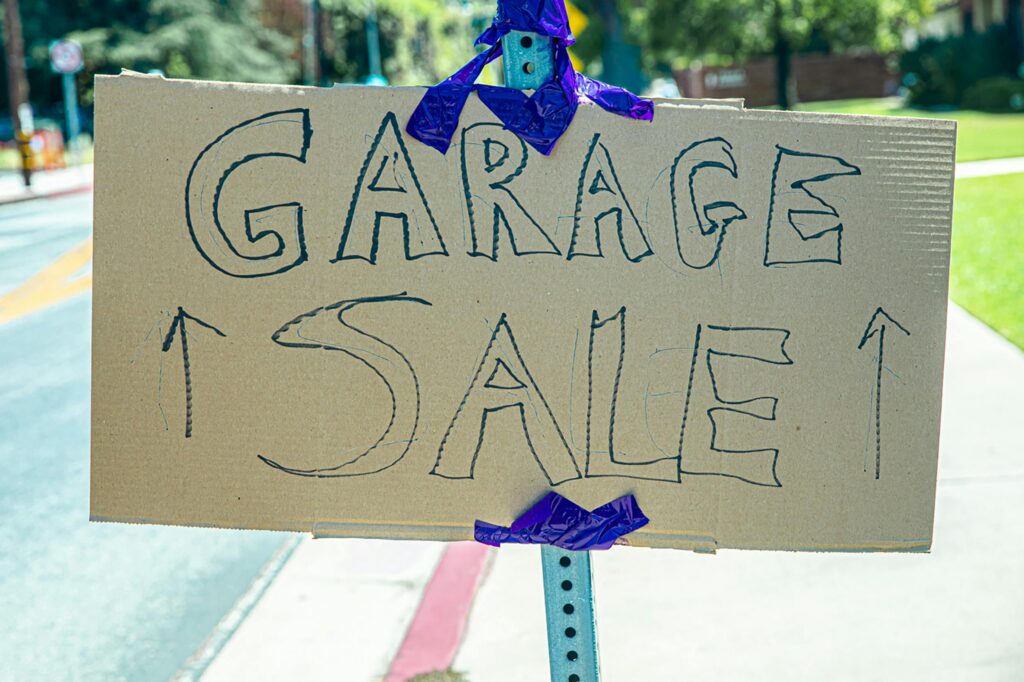
Then back that up with simple street signs. Big lettering and clear arrows matter more than anything creative. People driving by should be able to decide in two seconds whether to stop.
Timing Matters More Than You Think
Garage sales have a natural rhythm. Early morning brings serious buyers who are looking for the best items. Late morning and early afternoon bring people hoping for deals.
Starting around 7:00 or 8:00 in the morning works well in most areas, and wrapping up by early afternoon keeps things manageable. If you want to maximize turnout, Friday and Saturday tend to perform best.
Be Ready for the Back-and-Forth
Negotiation is part of the process, and it’s not something to avoid. Most buyers expect it, especially as the day goes on.
You don’t need to overthink it. Decide ahead of time what you’re willing to accept for your bigger items, and stay flexible with smaller ones. Bundling is one of the easiest ways to move more items quickly. When someone asks for a deal on multiple things, that’s usually a good opportunity to say yes.
Make Paying Easy
Cash still dominates garage sales, but more people are showing up without much of it. Having digital payment options can save sales you would otherwise lose.
Venmo, PayPal, or Cash App are easy to set up and quick to use. If someone wants an item and can pay instantly, you’ve removed a barrier that might have sent them home empty-handed.
Use the Final Hour to Your Advantage
The last stretch of your garage sale is where you decide how much you’re taking back inside.
Have a Plan for What’s Left
No matter how well your sale goes, you’ll likely have some items left. Planning ahead makes cleanup easier.
You can donate what remains, list a few higher-value items online, or bundle things together for a quick secondary sale. The important part is not letting those items drift back into storage where they’ll sit for another year.
Final Thoughts
A successful garage sale isn’t about perfection. It’s about making it easy for people to buy.
When your items are priced right, easy to browse, and clearly worth stopping for, everything else tends to fall into place. And at the end of the day, the real win is walking back inside with fewer things and more cash.