
When people shop for a car, color often feels like a personal choice. Some drivers love bright colors that stand out in a parking lot, while others stick with safe neutrals like black, white, or silver. But if you plan to sell or trade in your vehicle later, color can quietly affect how much money you get back.
Certain car colors tend to hold value better because they are more popular, easier to resell, or harder to find. Others can actually lower resale value because fewer buyers want them. While condition, mileage, and brand matter far more than paint color, the shade you choose can still influence how quickly your vehicle sells and for how much.
Here’s a closer look at the best and worst car colors for resale value.
Why Car Color Matters
Car dealerships and private buyers both think about resale demand. If a vehicle color appeals to a large group of buyers, it is easier to sell quickly. Easy-to-sell vehicles often keep stronger resale prices.
Rare colors can also perform surprisingly well if demand is high enough. For example, some bold colors become popular on sports cars or trucks because they stand out from the endless rows of neutral vehicles.
On the flip side, unusual or unpopular colors may sit on the market longer. Dealers sometimes offer lower trade-in values on these vehicles because they know they may take longer to sell.
Best Car Colors For Resale Value
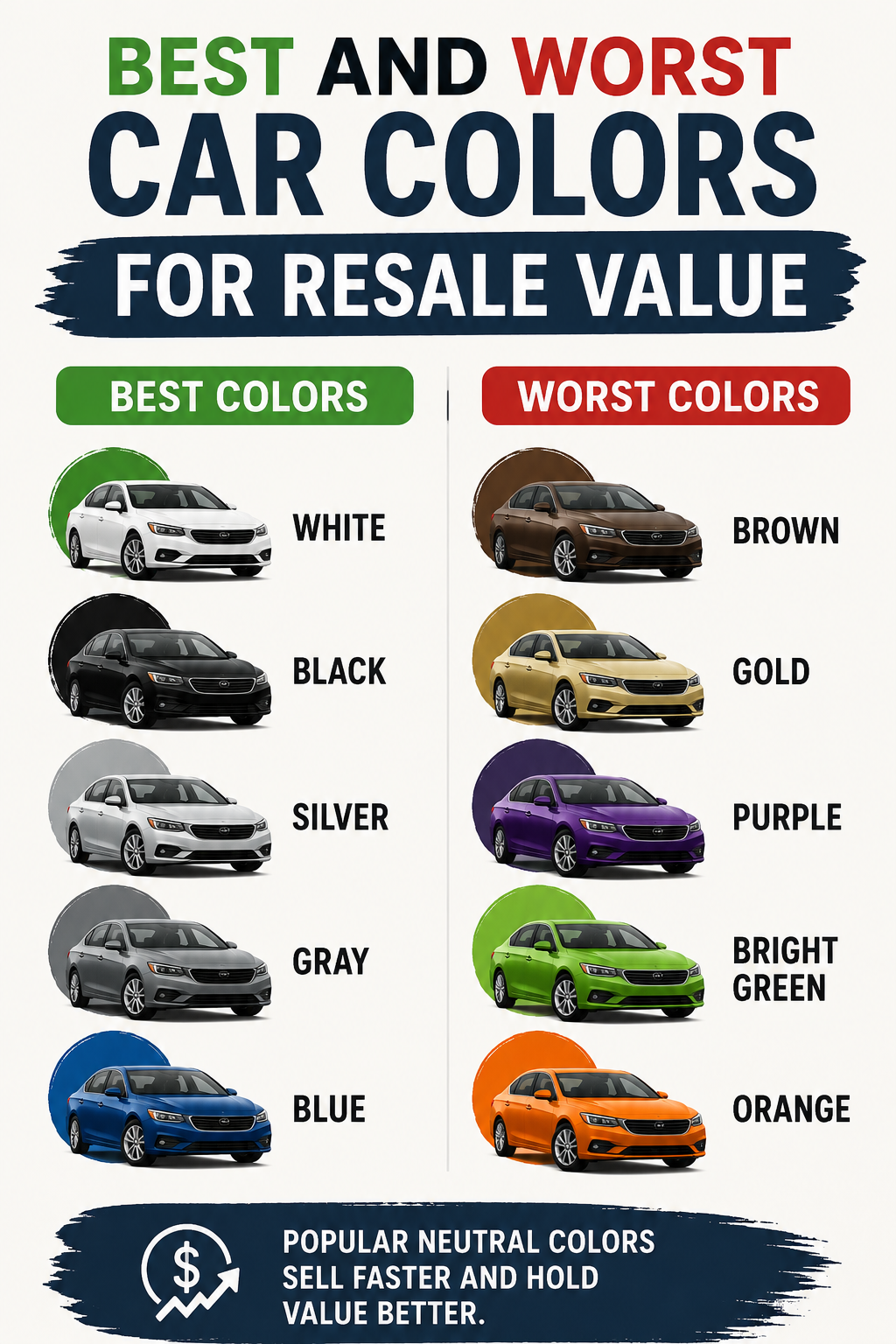
White
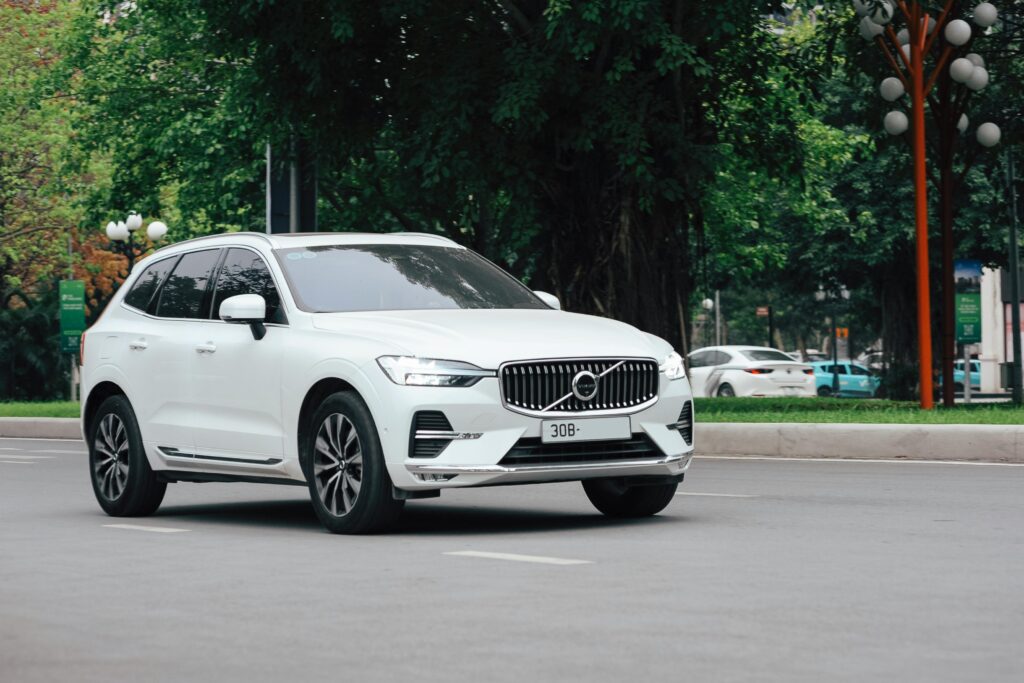
White consistently ranks as one of the safest colors for resale value. It is clean-looking, widely accepted, and popular across nearly every vehicle category.
White vehicles also tend to hide small scratches and dust better than darker colors. Many buyers see white as modern and practical, especially for SUVs, trucks, and family vehicles.
Another advantage is temperature. In warmer climates, white vehicles stay cooler in the sun, which keeps demand high.
Black
Black vehicles often look sleek and upscale. Luxury cars, SUVs, and trucks frequently perform well in black because the color gives a polished appearance.
However, black comes with one drawback. It shows dirt, swirl marks, and scratches more easily than almost any other color. Buyers may pay less if the paint has not been carefully maintained.
Still, when kept clean, black remains one of the strongest resale colors overall.
Silver
Silver has been a resale favorite for years because it is neutral, practical, and easy to maintain. It hides dirt well and tends to age gracefully.
Buyers often view silver as a safe choice, which helps vehicles move quickly on dealership lots.
Silver may not excite enthusiasts, but it appeals to a broad audience, which is exactly what helps resale value.
Gray
Gray has exploded in popularity in recent years, especially modern shades like charcoal and cement gray.
Many buyers see gray as stylish without being flashy. It works especially well on SUVs, trucks, and newer sporty vehicles.
Because gray remains trendy while still feeling neutral, it often performs well during resale.
Blue
Blue can be surprisingly strong for resale value, especially darker blues or certain vibrant shades.
Unlike more polarizing colors, blue appeals to a wide range of buyers while still adding personality. Trucks and sports cars often perform particularly well in blue.
Some studies have shown that certain shades of blue depreciate more slowly than common neutral colors because they strike a balance between uniqueness and broad appeal.
Worst Car Colors For Resale Value
Brown
Brown vehicles generally struggle during resale. While some luxury SUVs and trucks can pull off darker brown shades, most buyers simply do not actively search for brown cars.
The color can also make older vehicles look dated more quickly.
Gold
Gold was once popular decades ago, but demand has faded significantly. Many buyers associate gold vehicles with older styling trends.
Because fewer shoppers specifically want gold vehicles, resale values can suffer.
Purple
Purple vehicles are extremely niche. While some people love them, most buyers prefer safer colors.
A purple car may attract attention online, but it can take much longer to find the right buyer willing to pay full value.
Bright Green
Bright green can work on sports cars or specialty vehicles, but for everyday cars, resale demand tends to be limited.
Unusual colors shrink the pool of interested buyers. Dealers know this, which can lower trade-in offers.
Orange
Orange vehicles often experience similar resale problems as bright green. While some trucks and sports cars carry orange well, mainstream buyers usually avoid it.
That smaller audience can reduce resale value over time.
Vehicle Type Also Matters
Color trends change depending on the type of vehicle.
For example:
- White, black, and silver often dominate luxury sedans
- Trucks sometimes perform well in bold colors like blue or red
- Sports cars can hold value in brighter specialty colors
- Family SUVs usually sell best in neutral shades
A bright yellow minivan may struggle badly during resale, while a yellow sports car might attract enthusiasts willing to pay more.
Limited Edition Colors Can Be Different
There are exceptions to the rule.
Some rare factory colors actually increase value because collectors want them. Limited-edition paint colors on sports cars, muscle cars, or luxury vehicles can become highly desirable years later.
However, this usually applies to specialty vehicles rather than ordinary daily drivers.
Should You Choose A Color Based Only On Resale?
Probably not.
You will likely drive your vehicle for years before selling it. Choosing a color you genuinely enjoy matters too.
Still, if maximizing resale value is a top priority, sticking with popular neutral colors is usually the safest financial move.
If you want something with more personality without hurting resale too much, blue and certain shades of gray can offer a good middle ground.
Final Thoughts
Car color may seem like a small detail, but it can influence resale value more than many drivers realize. Neutral colors like white, black, silver, and gray continue to dominate because they appeal to the widest range of buyers.
Meanwhile, niche colors like brown, purple, orange, and bright green often narrow the resale market and can reduce trade-in offers.
In the end, the best car color is the one that balances personal style with practical value. If you plan to keep your car for a long time, buying a color you enjoy may matter more than squeezing out a few extra dollars later. But if resale value is a major concern, playing it safe with a popular color can pay off when it’s time to sell.