
Buying liquidation pallets can feel like opening a giant mystery box. You never know exactly what treasures, bargains, or headaches might be waiting inside. For resellers and bargain hunters, liquidation merchandise offers an opportunity to purchase products at a fraction of their original retail prices. But is buying liquidation pallets really worth it?
After years of buying everything from individual pallets to full truckloads of merchandise, I’ve learned that the liquidation business has its highs, lows, and plenty of surprises.
Whether you’re thinking about starting a reselling business or simply curious about what happens to store returns and overstock, here’s a look at the good, the bad, and the ugly of buying liquidation pallets.
What Are Liquidation Pallets?
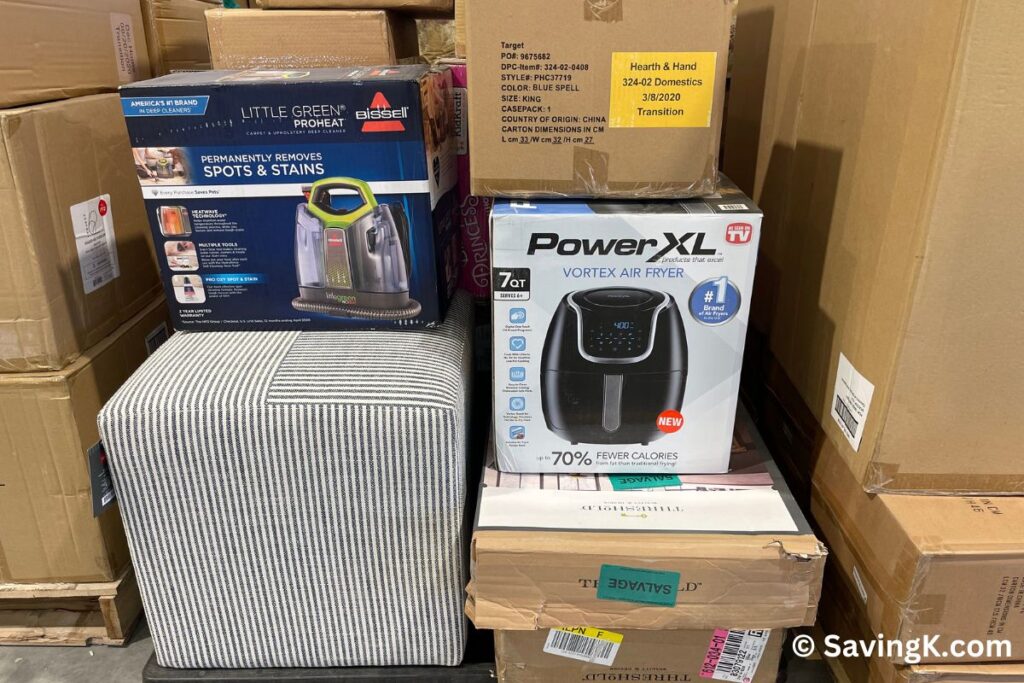
Liquidation pallets are bulk lots of merchandise sold by retailers, manufacturers, or liquidation companies. These products may include customer returns, overstock, discontinued items, shelf pulls, or damaged packaging.
Major retailers such as Target, Walmart, Amazon, and Macy’s regularly move excess merchandise through liquidation channels.
Instead of selling items individually, liquidation companies bundle products onto pallets or load them into truckloads to sell to resellers.
Depending on the supplier, you might purchase:
-
Customer returns: Products customers purchased and returned, sometimes opened, used, damaged, or missing pieces.
-
Overstock: Excess inventory that didn’t sell as expected.
-
Shelf pulls: Products removed from store shelves to make room for new merchandise.
-
Seasonal merchandise: Holiday decorations, clothing, and other items that retailers need to clear out.
-
Scratch-and-dent products: Merchandise with cosmetic damage, especially appliances and furniture.
-
Mixed liquidation: A combination of different product categories and conditions.
The type of liquidation you buy can make a huge difference in your potential profits.
The Good: Why Buying Liquidation Pallets Can Be Profitable
1. Merchandise at a Fraction of Retail Prices
The biggest attraction of liquidation is the potential to buy merchandise for pennies on the retail dollar.
A pallet with an original retail value of $3,000 might sell for just a few hundred dollars. However, retail value doesn’t necessarily translate into resale value.
The key is finding merchandise you can realistically sell at a profit after accounting for shipping, fees, labor, and damaged items.
2. Opportunities for Multiple Income Streams
One of my favorite things about liquidation is that you don’t have to sell everything in the same place.
Depending on the merchandise, you can resell through:
-
eBay
-
Amazon
-
Facebook Marketplace
-
Poshmark
-
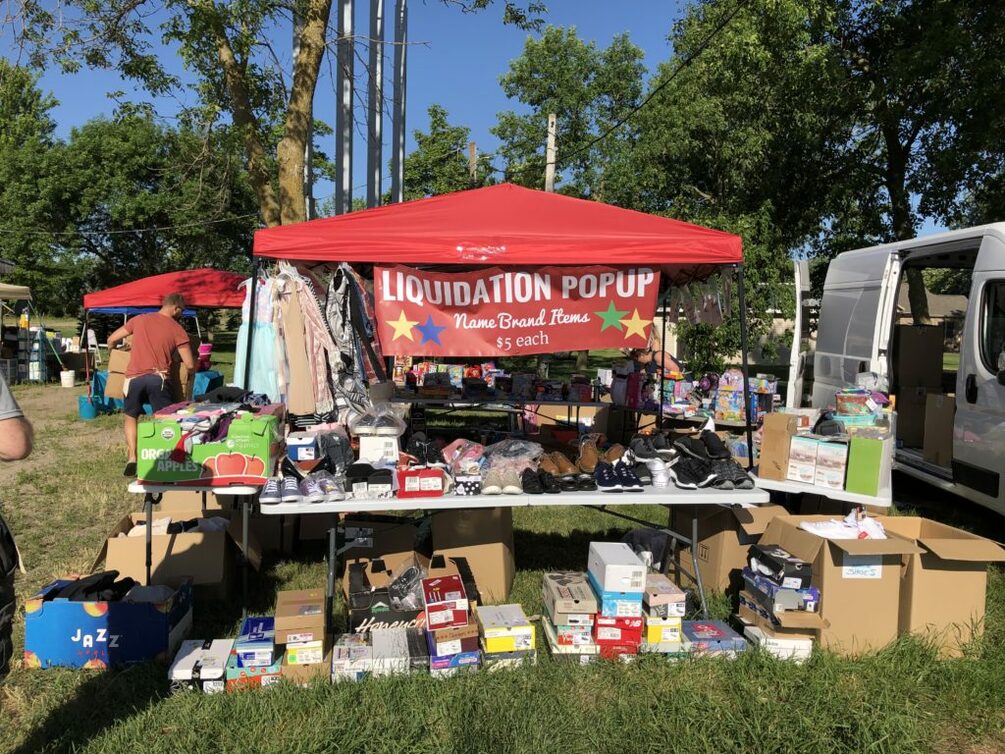
Flea markets and garage sales
-
Local liquidation stores
-
Pop-up warehouse sales
For example, a name-brand clothing item might sell best on Poshmark, while household goods could be perfect for a local $5 liquidation sale.
Having multiple selling channels helps you move merchandise faster and maximize your return.
3. You Never Know What You’ll Find
There’s something exciting about opening a pallet and discovering unexpected products.
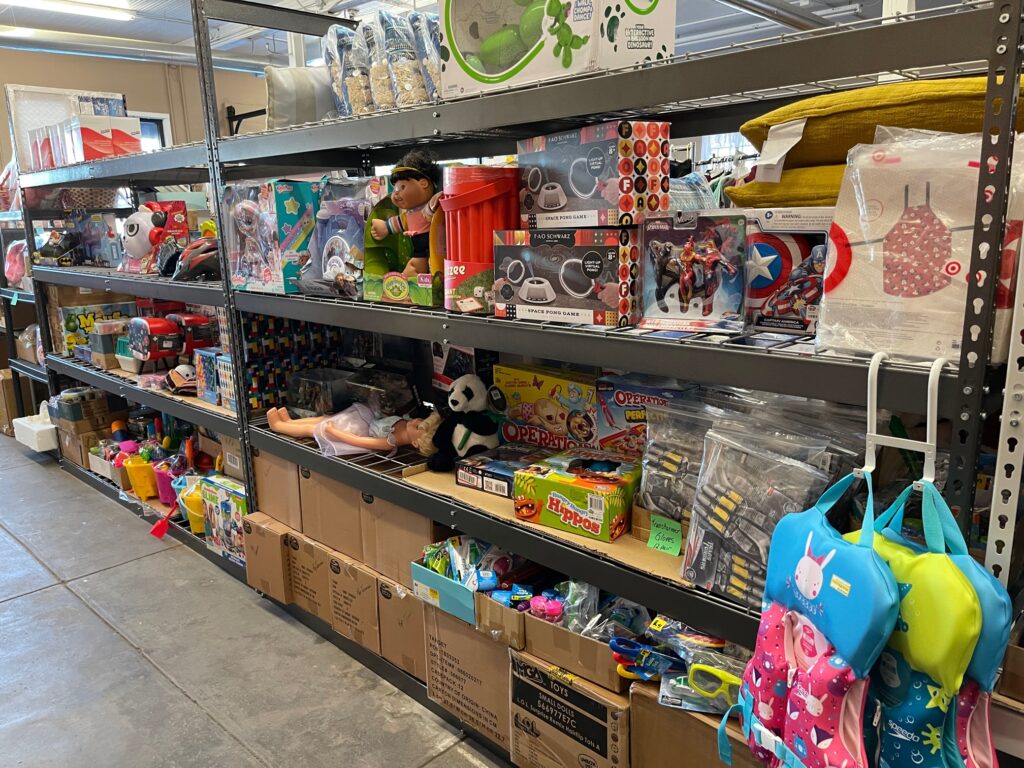
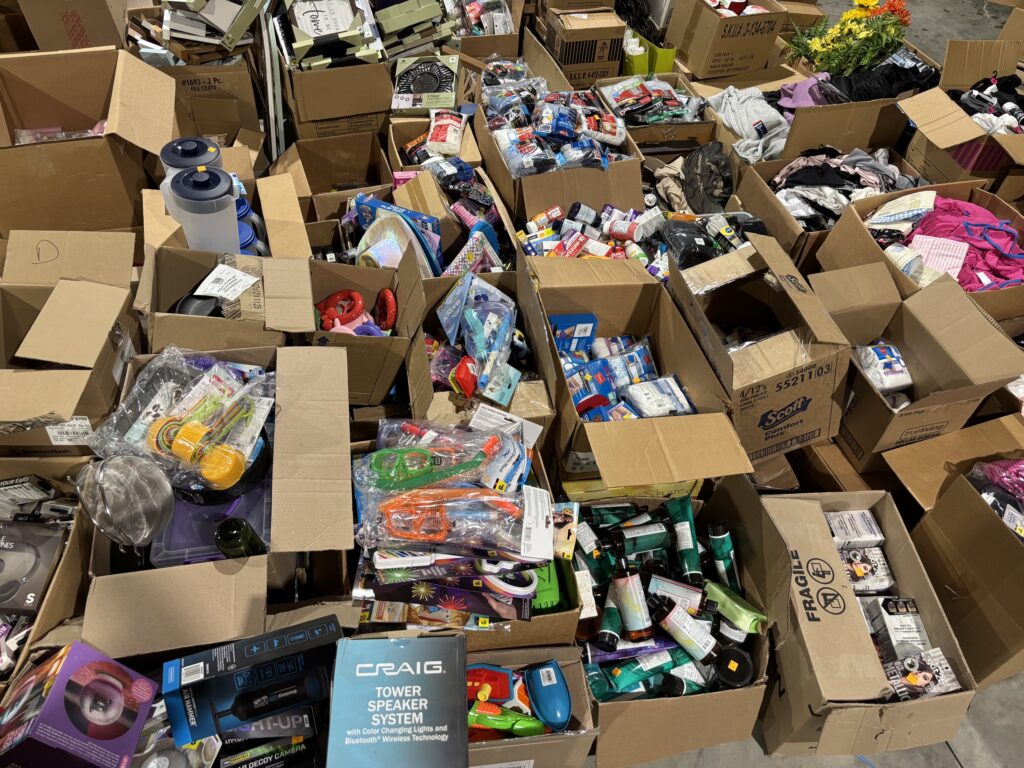
One box might contain electronics, another might have name-brand clothing, and another could be filled with toys, beauty products, or home decor.
Sometimes you discover an item worth significantly more than you expected.
Those unexpected finds can make sorting through hundreds of products surprisingly rewarding.
4. You Can Start Small and Grow
You don’t necessarily need a warehouse or thousands of dollars to start buying liquidation.
Some liquidation suppliers offer smaller lots, individual boxes, or single pallets.
Starting small allows you to learn how to evaluate merchandise, calculate profit margins, and identify products that sell well.
As you gain experience, you can gradually move into purchasing multiple pallets or full truckloads.
5. Liquidation Keeps Merchandise Out of Landfills
Another benefit of liquidation is giving products a second chance.
Perfectly usable merchandise often gets removed from retail shelves because of damaged packaging, seasonal changes, or excess inventory.
Resellers help redirect those products to customers who can use them.
Of course, not everything in liquidation is salvageable, but finding new homes for usable products can reduce unnecessary waste.
The Bad: Challenges of Buying Liquidation Pallets
Liquidation isn’t all hidden treasures and easy profits. There are plenty of challenges that beginners don’t always anticipate.
1. Not Everything Is Sellable
Just because a pallet has a high retail value doesn’t mean every product is worth selling.
You may receive merchandise that is:
-
Broken or defective
-
Missing important parts
-
Outdated or discontinued
-
Expired
-
Heavily used
-
Difficult to sell
-
Worth less than the cost of shipping
It’s important to calculate your potential profits based on realistic resale values, not the original retail prices printed on a manifest.
2. Sorting Takes More Time Than You Think
Buying the merchandise is often the easy part.
Once a pallet arrives, someone has to unload, sort, inspect, clean, test, photograph, price, and organize everything.
If you’re purchasing mixed liquidation, you might spend hours sorting through boxes of completely unrelated products.
And when you buy full truckloads, that work multiplies quickly!
Labor is one of the most underestimated expenses in the liquidation business.
3. Storage Space Disappears Quickly
One pallet might fit comfortably in your garage.
Ten pallets? That’s another story.
Liquidation merchandise has a way of taking over every available square foot.
You’ll need room for incoming pallets, sorting stations, inventory storage, packing supplies, and products waiting to be sold.
Without an organized system, it’s easy to lose track of merchandise or accidentally damage products before they ever reach a customer.
4. Freight Costs Can Eat Into Profits
Shipping liquidation pallets isn’t cheap, especially when you’re buying from suppliers located across the country.
Freight charges, liftgate fees, residential delivery surcharges, and unloading expenses can significantly increase your cost.
For example, if you purchase a pallet for $400 but pay another $250 in shipping, your actual merchandise cost is already $650 before you’ve sold a single item.
Always calculate your total landed cost before purchasing.
5. Some Products Take Forever to Sell
Just because you got a great deal doesn’t mean customers will want the merchandise.
You might receive dozens of identical products, unusual sizes, unpopular colors, or seasonal items that won’t sell for months.
Slow-moving inventory ties up your money and occupies valuable storage space.
Sometimes it’s better to sell products at a lower margin and reinvest the money than to hold onto merchandise indefinitely.
The Ugly: What Liquidation Sellers Don’t Always Tell You
Here’s where things can get frustrating, especially if you’re new to liquidation.
1. The Retail Value Can Be Misleading
A liquidation listing might advertise a pallet with a $10,000 retail value.
That sounds amazing until you discover the merchandise includes outdated electronics, damaged products, or items that nobody wants.
Some manifests use original retail prices rather than current market values.
A product that originally sold for $100 might only be worth $15 today.
Never assume retail value equals resale value.
2. Customer Returns Can Be a Gamble
Customer return pallets are particularly unpredictable.
Some returns are practically brand new. Others have clearly been used, damaged, or returned because they stopped working.
You might find an empty product box, an item missing accessories, or something completely different from what’s pictured on the packaging.
Testing and inspecting returned merchandise is essential.
3. Liquidation Scams Are Real
Unfortunately, the liquidation industry attracts scammers.
Fake websites and social media advertisements sometimes promise unbelievable deals on Walmart, Target, or Amazon pallets.
Common warning signs include:
-
Prices that seem impossibly low
-
No verifiable business address
-
Requests for payment through unprotected methods
-
Stock photos instead of actual inventory pictures
-
Guaranteed profits or unrealistic promises
-
No clear return or dispute policies
Before sending money, research the supplier, read independent reviews, and verify that the company is legitimate.
4. You Might Receive Products You Can’t Legally Resell
Not every product that arrives in a liquidation pallet is appropriate for resale.
Recalled merchandise, expired consumables, certain medical products, and items subject to safety restrictions can create serious problems.
Online marketplaces also have their own restrictions regarding brands, product conditions, and categories.
Before listing anything, check applicable product safety requirements and marketplace policies.
5. Sometimes You Just Lose Money
This is probably the hardest lesson in liquidation.
Not every pallet will be profitable.
Sometimes you receive a load with too much damage, too many low-value products, or merchandise that simply doesn’t sell.
Even experienced liquidation buyers occasionally make bad purchases.
The goal isn’t to make money on every individual item or pallet. It’s to maintain a profitable business overall by learning from mistakes and managing your risks.
How to Calculate Profit on a Liquidation Pallet
Before buying a pallet, it’s helpful to estimate how much money you could realistically make.
Here’s a hypothetical example:
| Expense or Revenue | Amount |
|---|---|
| Pallet purchase price | $400 |
| Freight shipping | $200 |
| Supplies and other expenses | $50 |
| Total costs | $650 |
| Revenue from sellable merchandise | $1,200 |
| Selling fees | $150 |
| Estimated profit | $400 |
In this example, the pallet generates $400 in profit before accounting for labor, taxes, and other business overhead.
But what happens if half the merchandise is damaged or doesn’t sell?
Your potential profit could disappear quickly.
That’s why experienced resellers evaluate the entire purchase rather than focusing on a few valuable products.
Tips for Buying Your First Liquidation Pallet
If you’re ready to try liquidation, here are a few lessons worth keeping in mind.
Start with one pallet. Don’t invest thousands of dollars into a truckload before understanding how liquidation works.
Choose merchandise you understand. If you’re familiar with clothing, start with apparel. If you know electronics, consider categories where you can confidently test and price products.
Research resale prices. Check completed or sold listings on eBay and other marketplaces to estimate what customers are actually paying.
Understand the condition. Know whether you’re purchasing overstock, shelf pulls, customer returns, or salvage merchandise.
Read the manifest carefully. When available, a manifest can help you evaluate a pallet, but remember that quantities, descriptions, and conditions may not be guaranteed.
Calculate shipping before buying. Freight can completely change whether a deal is worthwhile.
Have a plan for unwanted merchandise. Consider donation, recycling, local discount sales, or other appropriate disposal methods for products that aren’t worth listing individually.
Keep detailed records. Track your purchase costs, shipping, sales, fees, and inventory so you can determine which suppliers and categories are actually profitable.
Is It Better to Buy Pallets or Truckloads?
Once you’ve gained experience, you might wonder whether buying full truckloads makes more financial sense.
Truckloads often offer a lower per-unit acquisition cost, but they also require substantially more capital, storage space, labor, and risk.
A single truckload can contain thousands of products that need to be processed and sold.
For beginners, individual pallets generally offer a more manageable learning experience.
For established resellers with warehouse space, employees, and multiple selling channels, truckloads can provide opportunities to scale.
However, buying more merchandise doesn’t automatically mean making more money.
Sometimes the best deal is the pallet you decide not to purchase.
My Experience Buying Liquidation Merchandise
I’ve been involved in liquidation for years, purchasing everything from individual pallets to full truckloads of merchandise from major retailers.
Through our liquidation operations, we’ve sold products online, through our retail store Bend The Trend, and at local warehouse pop-up sales.
One thing I’ve learned is that liquidation is rarely as simple as buying cheap merchandise and selling it for a profit.
Behind every successful sale are hours of sorting, organizing, researching, pricing, and figuring out the best place to sell each product.
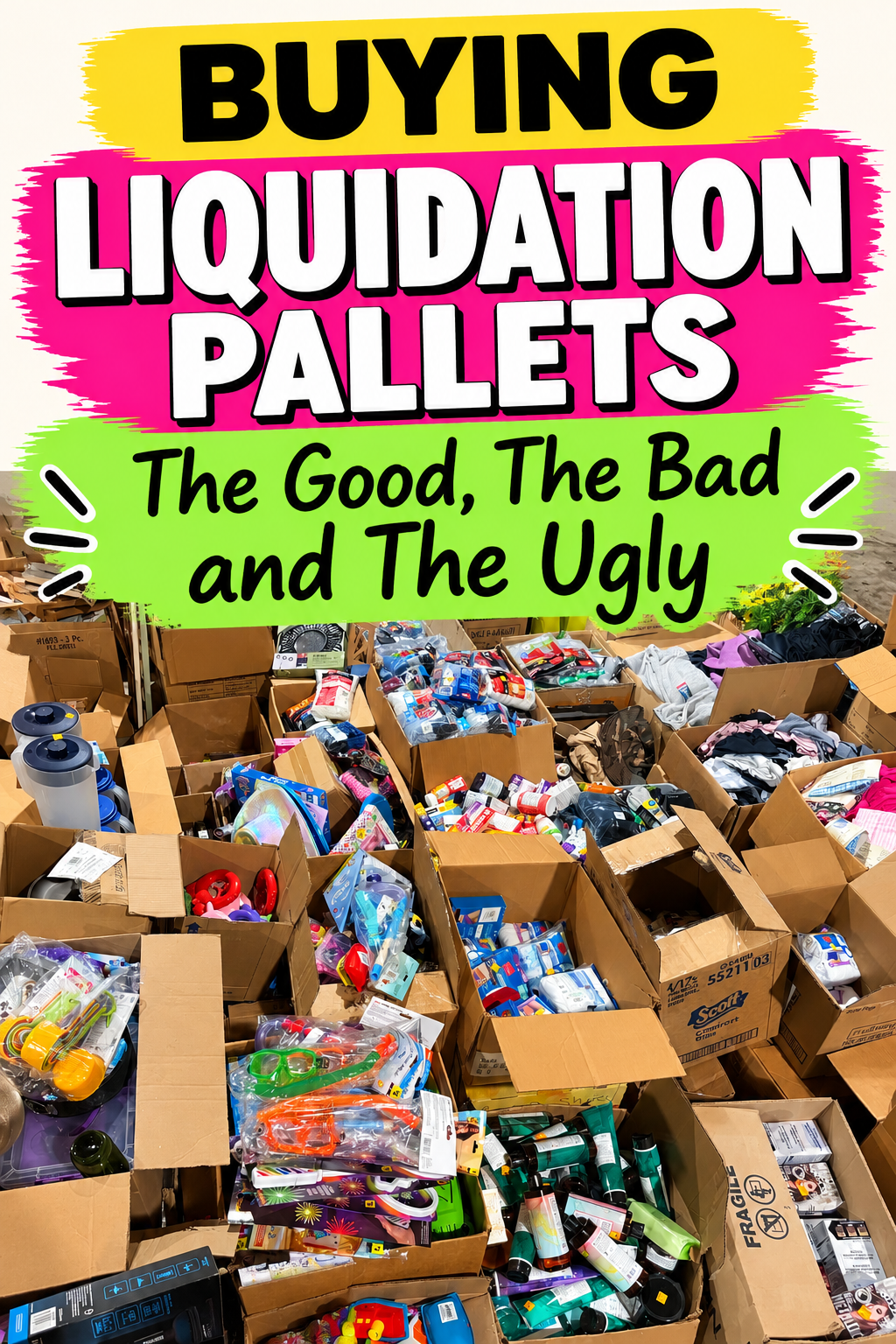
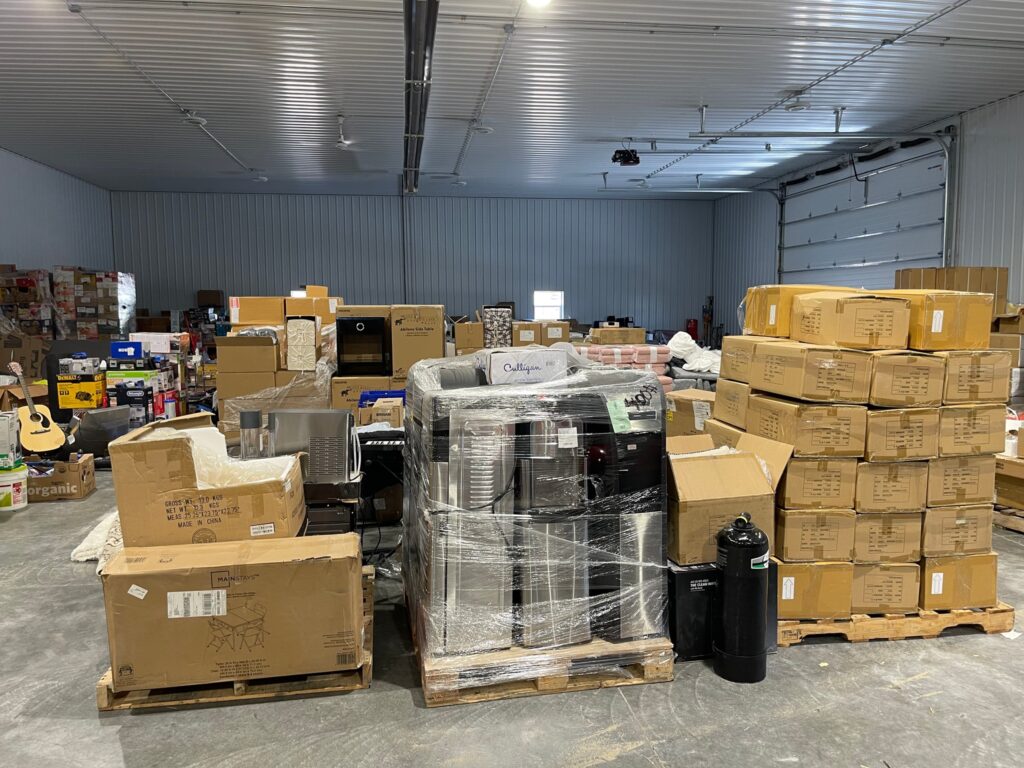
The featured photo for this article is a glimpse into that reality. Boxes upon boxes of mixed merchandise, all waiting to be sorted and turned into sellable inventory.
Some products will be great finds. Others will take more work than they’re worth.
That’s just part of the liquidation business!
Final Thoughts: Are Liquidation Pallets Worth Buying?
Buying liquidation pallets can absolutely be profitable, but it’s not a guaranteed way to make easy money.
The good includes discounted merchandise, exciting discoveries, and opportunities to build a reselling business.
The bad involves storage challenges, shipping expenses, and the endless work of sorting inventory.
And the ugly? Damaged products, misleading retail values, scams, and occasional financial losses.
The secret to successful liquidation isn’t finding a perfect pallet. It’s learning how to make money despite the imperfect ones.
If you’re willing to do the research, put in the work, and accept some risk, liquidation can be a rewarding way to make extra money or build a full-time business.