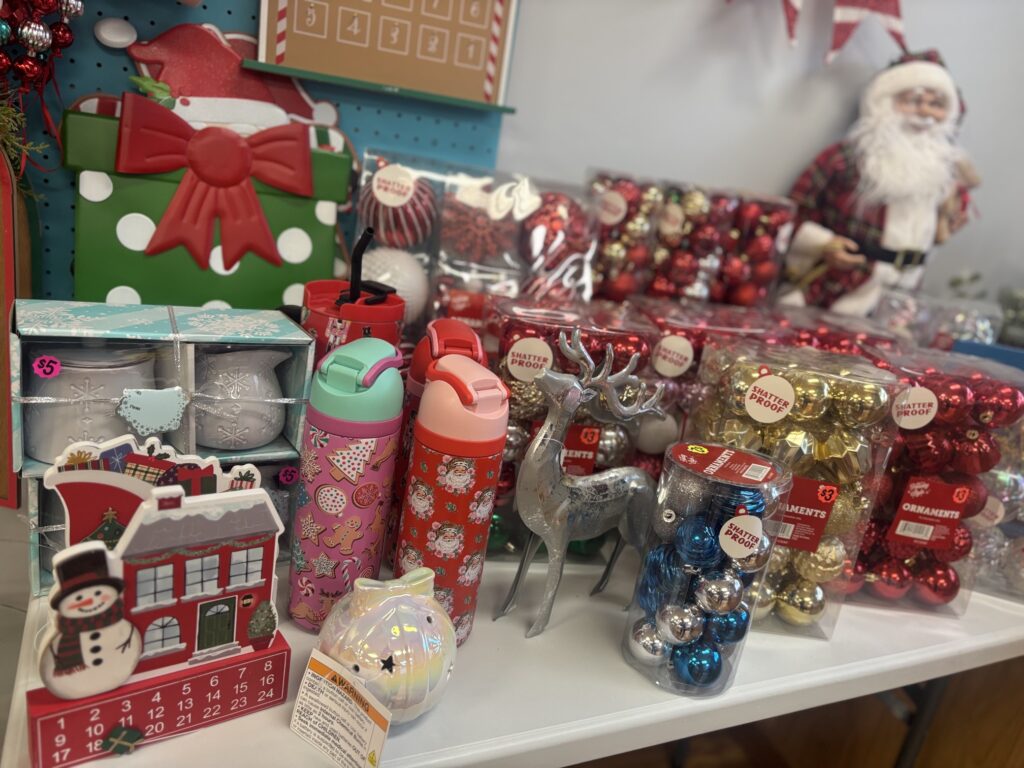

Christmas may come only once a year, but for resellers, holiday merchandise can offer money-making opportunities year-round. From artificial Christmas trees and ornaments to holiday clothing and gift sets, retailers are constantly looking for ways to clear out seasonal inventory.
That’s where Christmas liquidation comes in.
Buying Christmas liquidation merchandise at deeply discounted prices and reselling it for a profit can be a great side hustle or an addition to an existing reselling business. However, timing, product selection, and storage can make the difference between a profitable holiday haul and boxes of decorations collecting dust.
Here’s how to make money reselling Christmas liquidation, including what to buy, where to find it, and when to sell for the best profits.
What Is Christmas Liquidation?
Christmas liquidation refers to holiday merchandise that retailers sell at discounted prices to clear out excess inventory.
This merchandise may include:
- Unsold Christmas decorations
- Artificial trees, wreaths, and garlands
- Holiday lights and outdoor decorations
- Christmas-themed clothing and pajamas
- Gift sets and stocking stuffers
- Seasonal kitchenware and home decor
- Customer returns
- Discontinued holiday products
Major retailers such as Target, Walmart, Amazon, and department stores often move excess seasonal inventory through clearance sales or liquidation companies.
Liquidation buyers can purchase these products by the box, pallet, or truckload, sometimes at a small fraction of their original retail prices.
Why Christmas Liquidation Can Be Profitable
The biggest advantage of Christmas liquidation is the seasonal price difference.
Retailers want holiday merchandise gone as soon as Christmas ends because they need shelf space for new inventory. Meanwhile, shoppers are often willing to pay more for Christmas decorations and gifts when the next holiday season approaches.
For example, imagine purchasing a Christmas decoration that originally retailed for $40 for just $5 during an after-Christmas liquidation sale.
If you resell it the following November for $25, you’ve generated $20 in gross profit before selling fees, shipping, storage, and other expenses.
Multiply that opportunity across dozens or hundreds of products, and the potential adds up.
Of course, not every item will sell, and some Christmas merchandise loses value over time. That’s why choosing the right products is essential.
1. Buy Christmas Merchandise After the Holidays
One of the best times to purchase Christmas liquidation is immediately after Christmas.
Retailers often begin marking down seasonal merchandise on December 26, with discounts potentially increasing throughout January.
Some stores eventually reduce remaining merchandise by 75% to 90%, although discount schedules and availability vary.
This is an excellent opportunity to stock up on merchandise for the following holiday season.
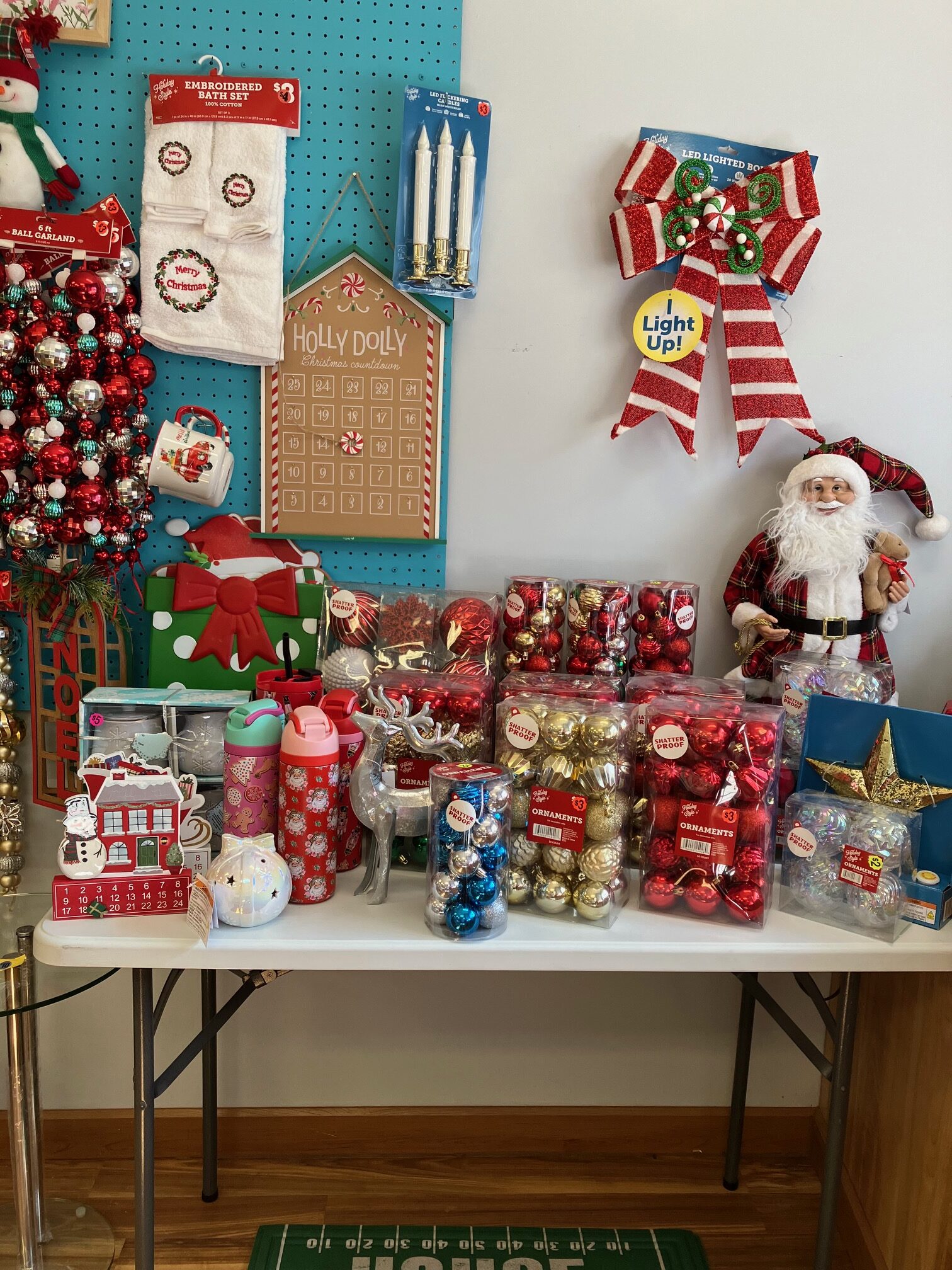
Look for products that won’t go out of style, such as traditional ornaments, Christmas lights, wreaths, and artificial trees.
Avoid paying too much for trendy decorations that might not be popular next year.
Reseller tip: Buying Christmas merchandise in January and selling it in October or November can create an opportunity for seasonal profits, provided you have affordable storage space.
2. Find Christmas Liquidation Pallets and Truckloads
If you want to purchase larger quantities, liquidation pallets can be an option.
Christmas liquidation pallets may contain hundreds of seasonal products from major retailers.
Some suppliers sell pallets specifically containing Christmas merchandise, while others offer mixed seasonal loads.
Places to look include:
- Retailer-approved liquidation marketplaces
- Established wholesale liquidation companies
- Local liquidation warehouses
- Online liquidation auctions
- Regional wholesale distributors
- Store-closing and inventory-clearance sales
Before purchasing, ask whether the merchandise is new, overstock, shelf pulls, customer returns, or salvage.
Whenever possible, request a manifest showing the products and quantities included.
Remember that liquidation merchandise is often sold as-is, and actual product conditions may vary.
3. Focus on Christmas Products With Good Resale Potential
Not all Christmas merchandise is equally profitable.
Some products are easier to sell, ship, and store than others.
Artificial Christmas Trees
Artificial trees can have strong resale potential, especially name-brand, pre-lit, and specialty trees.
However, they take up considerable storage space and can be expensive to ship.
Local marketplaces are often a better option for larger trees.
Always check that all sections, stands, and lights are included before reselling.
Christmas Ornaments
Ornaments are generally easy to store and can be inexpensive to ship.
Look for collectible ornaments, recognizable brands, themed sets, and unique designs.
Hallmark Keepsake ornaments and certain discontinued collections may attract collectors, although resale values vary considerably.
Christmas Lights
Holiday lights are popular every year, making them a potentially reliable resale category.
LED string lights, outdoor lighting, and specialty displays may be worth considering.
Always test lights before selling them and check for recalls or damaged wiring.
Christmas Clothing and Pajamas
Holiday sweaters, matching family pajamas, Christmas dresses, and festive accessories can sell well during the holiday season.
New clothing with tags is especially attractive to online shoppers.
Keep in mind that holiday apparel has a short selling window, so list it early.
Christmas Kitchenware
Holiday mugs, serving trays, cookie tins, baking accessories, and festive dinnerware can appeal to shoppers preparing for seasonal gatherings.
Recognizable brands and coordinated sets may command better prices than generic products.
Gift Sets and Stocking Stuffers
Holiday gift sets can offer opportunities for resellers, particularly when the products inside are useful year-round.
However, inspect packaging carefully and check expiration dates on cosmetics, food, and personal care products.
Avoid reselling expired, damaged, or otherwise unsafe merchandise.
4. Know Where to Resell Christmas Liquidation
Different products perform better on different selling platforms.
eBay: Great for collectible ornaments, discontinued decorations, vintage Christmas items, and smaller products that are easy to ship.
Facebook Marketplace: Ideal for artificial trees, large outdoor decorations, and bulky holiday merchandise.
Poshmark: Consider listing holiday sweaters, Christmas pajamas, festive dresses, and seasonal accessories.
Whatnot: Live auctions can help move Christmas merchandise quickly, especially when selling themed bundles or offering low starting bids.
Local liquidation stores: Christmas merchandise can attract bargain hunters looking for affordable decorations and gifts.
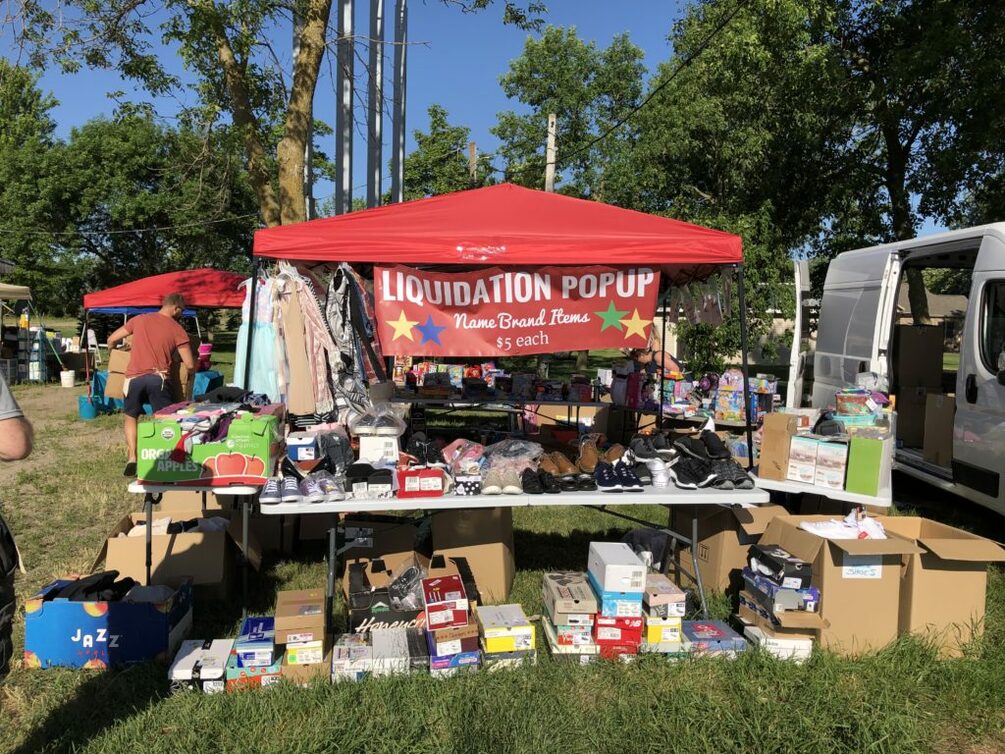
Pop-up sales and flea markets: These can be excellent places to move larger quantities of holiday products without individual shipping expenses.
Using multiple selling channels allows you to reach different types of customers and avoid relying on one marketplace.
5. Sell Christmas Merchandise at the Right Time
Timing is one of the most important factors in Christmas liquidation.
While some shoppers buy holiday merchandise year-round, demand typically increases as Christmas approaches.
Here’s a general selling timeline:
| Month | Reselling Strategy |
|---|---|
| January–March | Buy discounted Christmas merchandise and organize inventory |
| April–July | Research prices, test products, and prepare listings |
| August–September | Begin listing Christmas products online |
| October–November | Focus on holiday shoppers and increase promotions |
| December | Prioritize fast shipping, local sales, and remaining inventory |
| After Christmas | Clear slow-moving products or store them for next year |
For online resellers, listing Christmas merchandise in September or October gives shoppers plenty of time to discover your products.
Waiting until December may mean competing with shipping deadlines and last-minute clearance sales.
6. Bundle Christmas Products to Increase Sales
Bundling is one of my favorite ways to move liquidation merchandise.
Instead of selling every item individually, combine related products into attractive packages.
For example:
- Christmas ornament bundles
- Holiday baking gift sets
- Christmas stocking stuffer bags
- Matching holiday decoration sets
- Christmas craft supply bundles
- Mystery Christmas decoration boxes
Bundling can make inexpensive items more appealing while reducing the time spent photographing, listing, and shipping individual products.
It’s also a useful strategy for moving slower-selling merchandise.
Just make sure customers know what they’re purchasing, especially when offering mystery boxes.
7. Calculate Your Christmas Liquidation Profits
Before investing in Christmas liquidation, calculate your potential return.
Here’s a hypothetical example of purchasing a pallet of holiday merchandise.
| Expense or Revenue | Amount |
|---|---|
| Christmas liquidation pallet | $300 |
| Freight shipping | $150 |
| Packaging and supplies | $50 |
| Total expenses | $500 |
| Revenue from merchandise sold | $1,200 |
| Marketplace and payment fees | $150 |
| Estimated profit | $550 |
In this example, the pallet generates $550 in estimated profit before labor, storage, taxes, and other overhead.
However, there’s no guarantee that every product will sell.
Some merchandise may be damaged, missing pieces, or worth considerably less than expected.
Always use conservative resale estimates when evaluating liquidation purchases.
8. Don’t Forget About Storage Costs
One of the biggest challenges with Christmas liquidation is that you may need to hold inventory for several months.
Buying holiday merchandise in January and selling it in November means storing products for nearly a year.
Artificial trees, wreaths, and outdoor decorations can quickly fill a garage or warehouse.
Before purchasing, consider:
- How much storage space you have available
- Whether merchandise needs climate-controlled storage
- How much it costs to hold inventory
- Whether products are fragile or easily damaged
- How you’ll organize merchandise for the next selling season
Smaller items such as ornaments, holiday clothing, and tabletop decorations may be more practical for resellers with limited space.
9. Watch Out for Common Christmas Liquidation Mistakes
Christmas liquidation can be profitable, but there are several mistakes to avoid.
Buying too much inventory: A great price doesn’t matter if you don’t have room to store the merchandise or enough customers to purchase it.
Ignoring shipping expenses: Bulky Christmas decorations can cost more to ship than they’re worth.
Buying damaged lights or decorations: Testing products and inspecting packaging can prevent returns and unhappy customers.
Overestimating resale values: A Christmas decoration with a $100 retail price may only sell for $20 on the secondary market.
Waiting too long to list: Christmas merchandise has a limited peak selling season.
Forgetting about trends: Popular colors, characters, and decorating styles can change from year to year.
Buying untested customer returns: Missing tree stands, broken ornaments, and nonworking lights can turn a seemingly profitable pallet into a loss.
The more experience you gain, the easier it becomes to recognize profitable merchandise and avoid expensive mistakes.
10. Consider Selling Christmas Liquidation Locally
One way to increase profits is to sell Christmas liquidation merchandise locally instead of shipping everything.
Local sales eliminate many shipping expenses and can help move bulky products faster.
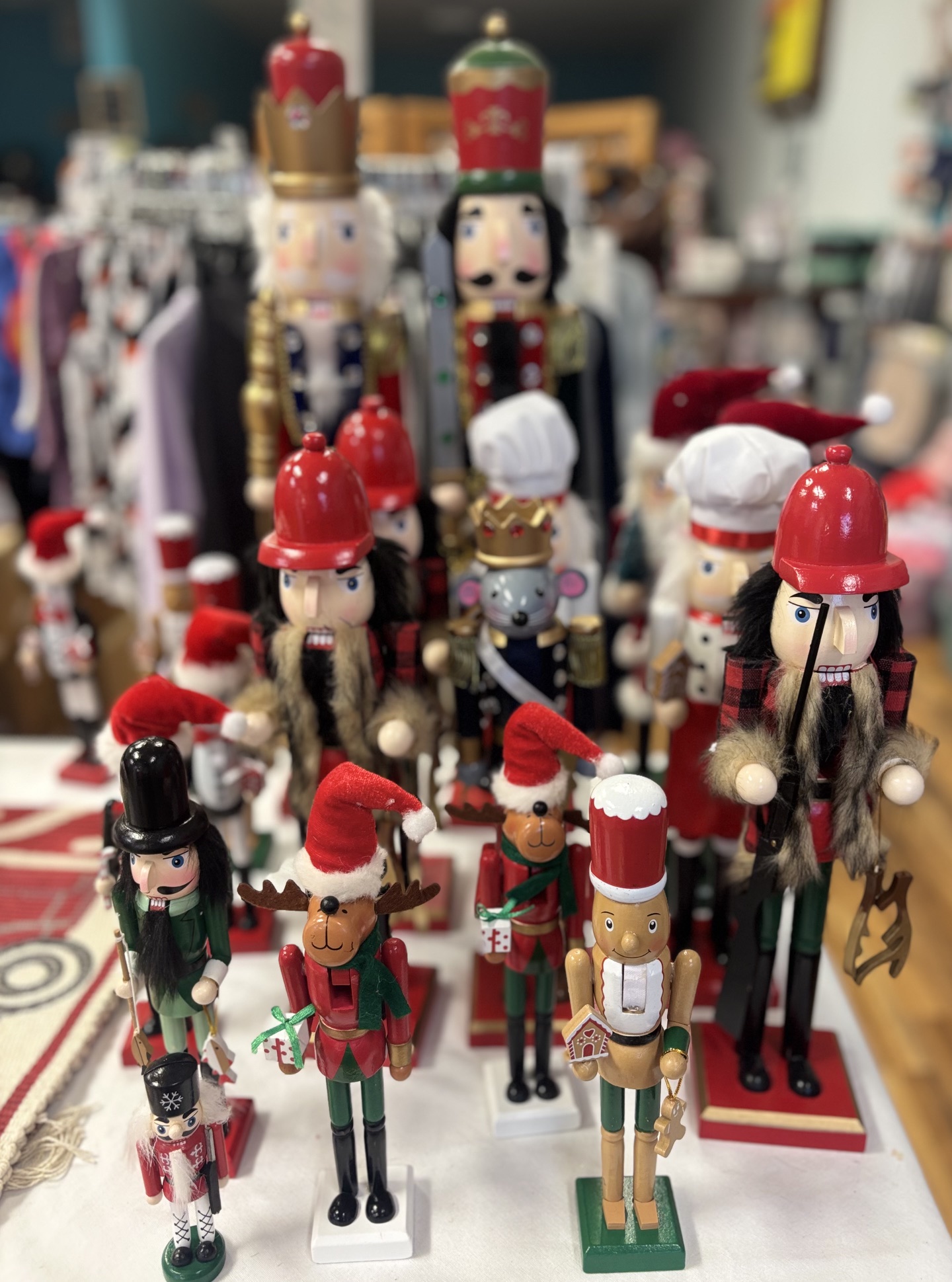
At our liquidation business, we’ve found that offering discounted merchandise through our retail store, Bend The Trend, and warehouse pop-up sales provides another way to reach bargain hunters.
Holiday merchandise can be particularly appealing when shoppers are decorating their homes or looking for inexpensive gifts.
You can also experiment with special promotions such as Christmas clearance events, holiday bundles, or discounted seasonal merchandise.
The goal is to turn inventory into cash rather than letting it occupy valuable storage space indefinitely.
Can You Sell Christmas Liquidation Year-Round?
Yes! Although demand is typically highest before Christmas, there are opportunities to sell holiday merchandise throughout the year.
Collectors may search for specific ornaments in any season, while bargain hunters sometimes purchase decorations months in advance.
Christmas-themed clothing, craft supplies, and collectible decorations can also attract buyers outside the traditional holiday shopping period.
However, don’t expect every product to sell quickly during the spring or summer.
For many resellers, the best strategy is to buy during the off-season and prepare inventory for the next holiday rush.
Is Reselling Christmas Liquidation Worth It?
Reselling Christmas liquidation can be a profitable side hustle, especially if you know how to source merchandise at low prices and have a plan for selling it.
The biggest advantages include discounted inventory, predictable seasonal demand, and opportunities to sell through multiple platforms.
The biggest drawbacks are storage requirements, shipping expenses, damaged merchandise, and the possibility of holding inventory for months.
If you’re just getting started, consider purchasing a small lot of Christmas decorations or shopping after-holiday clearance sales before investing in full pallets.
Track your expenses, research resale values, and learn which products your customers actually want.
The key to making money with Christmas liquidation is buying low, selling at the right time, and knowing when to move on from merchandise that isn’t selling.
With a little planning and patience, those leftover Christmas decorations could become your next profitable reselling opportunity.