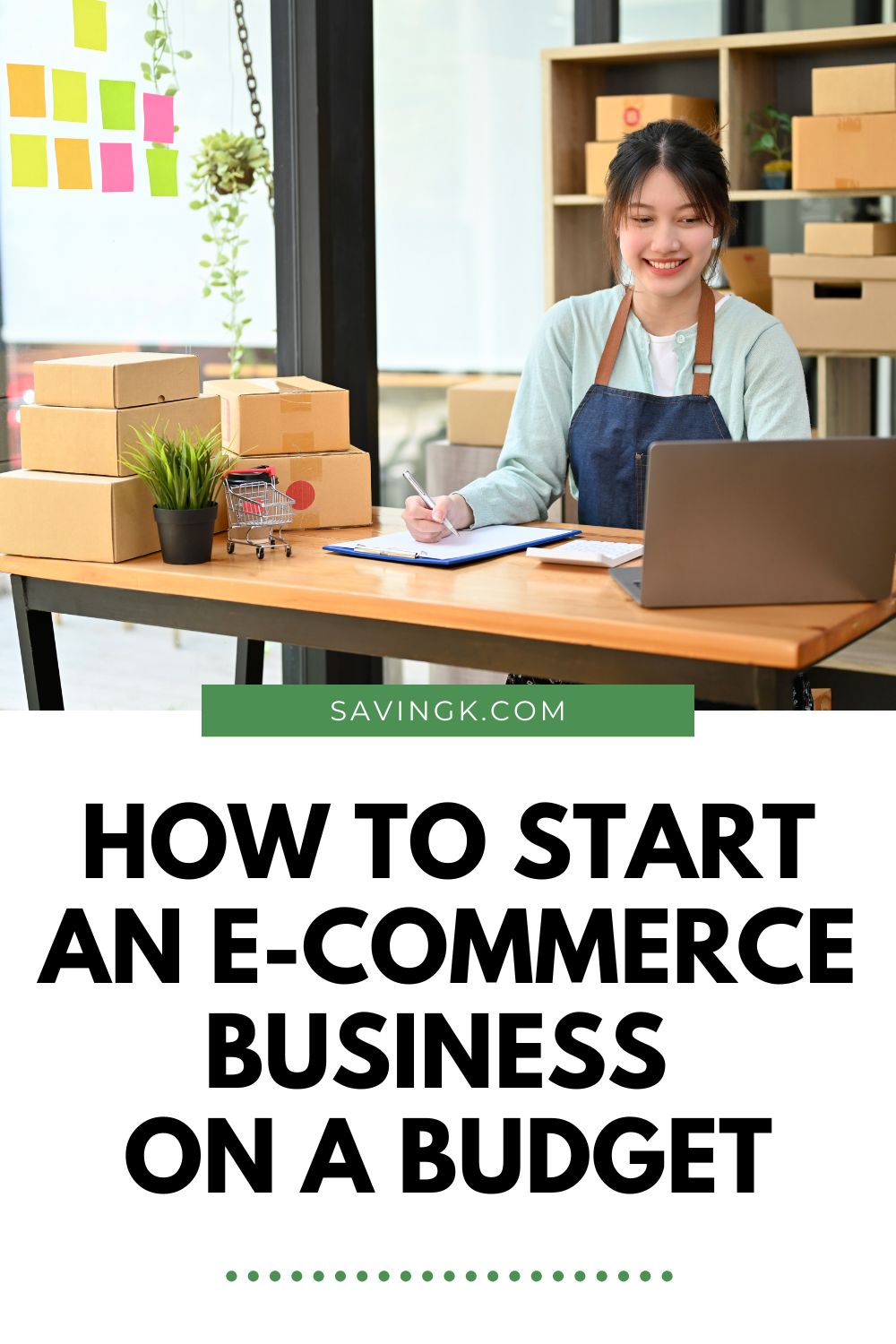

Starting an e-commerce business doesn’t have to drain your savings. With today’s tools, platforms, and low-cost strategies, anyone can launch an online store without spending thousands of dollars upfront. Whether you’re looking to turn a hobby into a side hustle or build a full-time income stream, it’s possible to get started on a budget.
Here’s a step-by-step guide to help you launch your e-commerce business without overspending.
1. Choose the Right Niche
When working with a limited budget, picking the right niche is critical. Focus on:
- Passion & Knowledge – Choose a category you know well (e.g., handmade crafts, vintage finds, fitness products).
- Profitability – Research if people are willing to spend money in this niche.
- Demand & Competition – Use free tools like Google Trends, Ubersuggest, or even Amazon’s bestseller list to see what’s selling.
A well-defined niche helps you stand out and market more effectively without needing a huge ad budget.
2. Start Small With Your Products
You don’t need a massive inventory on day one. Options for budget-friendly product sourcing include:
- Print-on-Demand (POD) – Sell custom shirts, mugs, or tote bags with no upfront inventory costs.
- Dropshipping – Partner with suppliers who handle shipping for you, so you don’t need to stock products.
- DIY/Handmade Items – Use materials you already have to create products.
- Liquidation/Wholesale Lots – Buy discounted items in bulk to resell for profit.
Start with a few best-sellers and expand as your profits grow.
3. Pick a Low-Cost E-Commerce Platform
Building your store doesn’t need to be expensive. Affordable options include:
- Shopify Lite ($9/month) – Sell directly on social media or your own site.
- Etsy – Great for handmade or vintage goods, with low listing fees.
- Big Cartel (Free for up to 5 products) – Simple and beginner-friendly.
- WooCommerce (Free plugin for WordPress) – Perfect if you already have a WordPress site.
Compare costs and pick the one that fits your budget and business model.
4. Keep Branding Simple (But Effective)
You don’t need to hire an expensive designer. Tools like Canva and Looka let you create free or low-cost logos, social media graphics, and product images.
Stick with clean, consistent visuals. A professional-looking store builds trust, even on a budget.
5. Use Free (or Cheap) Marketing Channels
Instead of pouring money into ads, focus on organic growth:
- Social Media – Use Instagram, TikTok, and Pinterest to showcase your products.
- SEO – Optimize product titles and descriptions with keywords.
- Email Marketing – Start building a list with free tools like Mailchimp (up to 500 contacts free).
- Influencer Partnerships – Work with micro-influencers who promote in exchange for free products.
These methods take time but save you money while building long-term traffic.
6. Keep Overhead Low
Since every dollar matters, avoid unnecessary expenses. Start from home, work with free tools, and upgrade later. Free options include:
- Accounting – Wave Accounting (free).
- Project Management – Trello or Notion.
- Graphics – Canva free version.
Your biggest investment should be in your products and customer experience, not fancy extras.
7. Focus on Customer Experience
Happy customers = repeat business. Even if you’re on a tight budget, you can stand out by:
- Offering fast, friendly communication.
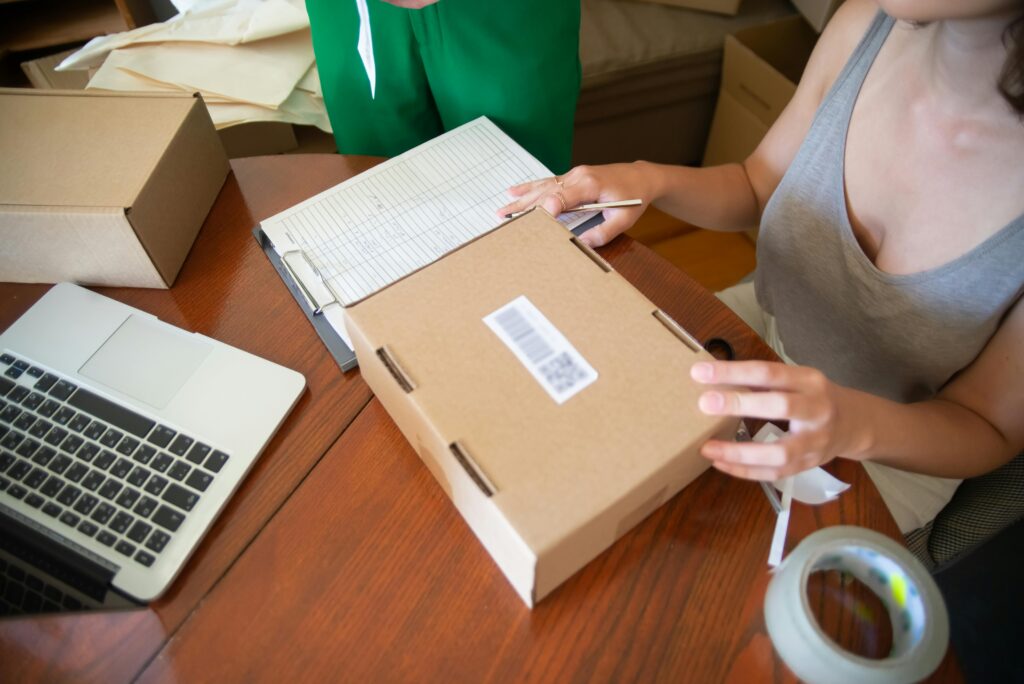
- Packaging products neatly (even simple DIY packaging can look great).
- Encouraging reviews and referrals.
Word-of-mouth marketing is free and powerful.
8. Reinvest Your Profits
Once sales start coming in, resist the temptation to spend right away. Instead, reinvest profits into:
- Expanding product lines.
- Upgrading website design.
- Running small ad campaigns to scale growth.
Slow and steady reinvestment is how budget businesses grow into profitable brands.
Final Thoughts
Starting an e-commerce business on a budget is not only possible, it’s smart. By keeping costs low, testing your market, and scaling gradually, you reduce risk while maximizing potential profits.
Remember: success doesn’t depend on how much you spend; it depends on how well you connect with customers, provide value, and stay consistent. With creativity, determination, and the right strategy, your budget-friendly e-commerce business can grow into something big.