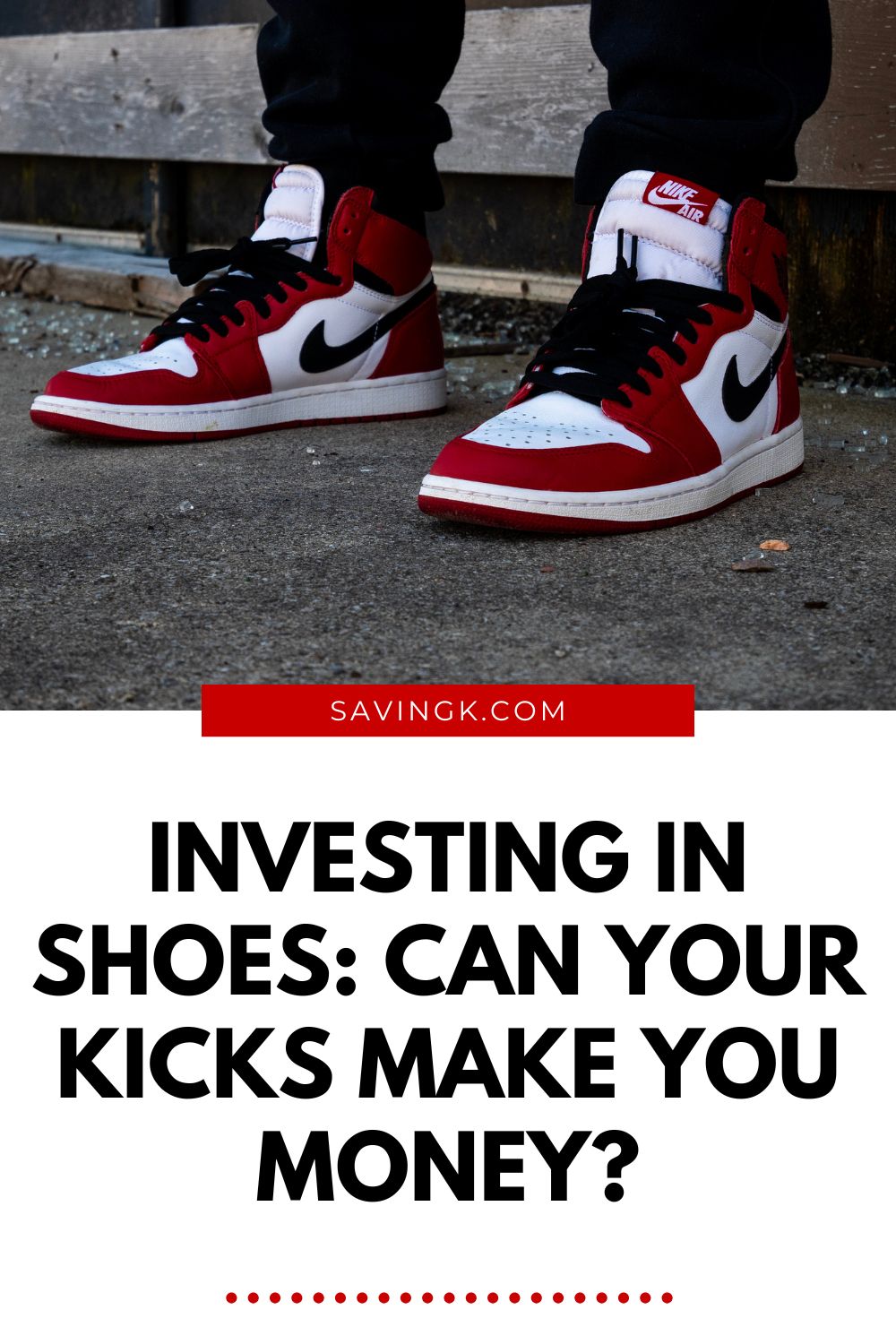


When most people think about investing, they picture stocks, bonds, or maybe even real estate. But in today’s world, collectibles and alternative assets are gaining traction, sometimes literally. One surprising niche? Shoes. From limited-edition sneakers to designer heels, shoes can be more than just a fashion statement—they can also be a financial investment.
Why Shoes Can Be an Investment
Shoes might not sound like a traditional asset class, but certain pairs hold (and even grow) their value over time. Scarcity, cultural influence, and brand reputation all contribute to the resale market. When supply is limited and demand skyrockets, resale prices can climb well beyond retail.
Sneakers as an Asset
Sneakers are the leaders in shoe investments. Limited releases from brands like Nike, Adidas, and Jordan often sell out instantly, leaving resellers with the opportunity to flip pairs for double, or even triple, their retail price. Some high-profile collaborations (like Nike x Travis Scott or Adidas Yeezy) can fetch thousands of dollars.
Luxury Designer Heels
While sneakers get most of the hype, luxury women’s shoes also have investment potential. Think Christian Louboutin, Manolo Blahnik, or Chanel. Certain iconic designs retain value, especially if kept in pristine condition with original packaging. Pre-owned fashion marketplaces like The RealReal, Vestiaire Collective, and Poshmark make it easy to resell.
Factors That Drive Value
- Rarity: Limited releases and discontinued styles are the most sought after.
- Condition: Like any collectible, value is higher when shoes are unworn and still in the box.
- Collaboration & Hype: Artist or celebrity collaborations often sell out quickly and command premium resale prices.
- Cultural Influence: Shoes associated with sports history, movies, or pop culture moments tend to appreciate.
Risks of Shoe Investing
Like any investment, there are risks. Not every shoe will gain value, and trends can shift quickly. Storage is also a consideration. Heat, humidity, and even light exposure can damage sneakers or leather, lowering resale value. Counterfeits are another big risk in this market.
How to Get Started
- Research: Follow sneaker news and fashion blogs to stay on top of release dates and trends.
- Start Small: Don’t splurge on a $2,000 pair right away. Test the waters with smaller investments.
- Buy Smart: Stick to reputable retailers or trusted resale platforms.
- Protect Your Assets: Store shoes properly, preferably in climate-controlled areas, and keep them unworn for maximum resale potential.
Examples of Shoe Investments That Paid Off
- Air Jordan 1 Retro “Chicago” (1985): Originally sold for $65, now valued at over $10,000 in pristine condition.
- Nike Air Yeezy 2 “Red October”: Released in 2014 for $250, now sells for over $6,000.
- Chanel Two-Tone Slingbacks: A timeless style that holds resale value season after season.
Final Thoughts
Investing in shoes isn’t for everyone. It’s a niche market that requires research, patience, and passion. But if you already love fashion and follow sneaker culture, it might be worth exploring as a side hustle or long-term play. At the very least, it’s an investment you can admire in your closet while it gains value.