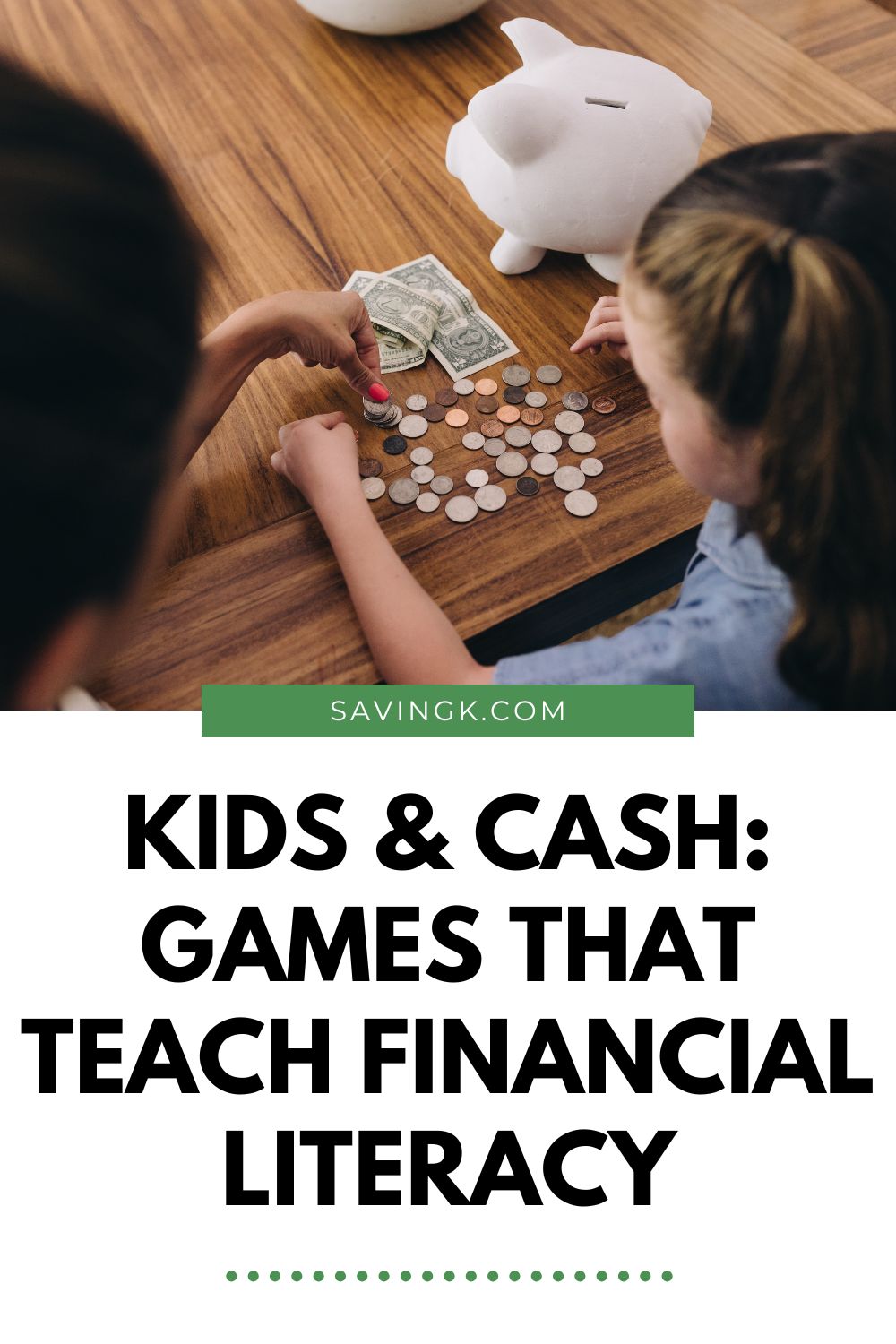


Teaching kids about money doesn’t have to be boring. In fact, the earlier children learn how to handle money, the better prepared they’ll be for adulthood. Financial literacy is just as important as reading and math, and games are one of the best ways to make money lessons stick. Whether you want to instill basic concepts like saving and spending or introduce more advanced ideas like investing and budgeting, there are fun and engaging ways to do it.
Why Teach Financial Literacy Through Games?
Kids learn best when they’re having fun. Games turn abstract financial concepts into real-life scenarios that kids can understand and practice. Instead of lectures, kids get hands-on experiences making decisions, facing consequences, and celebrating wins.
Plus, financial games teach more than just money; they build math skills, critical thinking, and problem-solving.
Classic Board Games That Teach Money Skills
- Monopoly
A family favorite that teaches kids about property ownership, rent, taxes, and even bankruptcy. While the game can go long, it’s a perfect way to show how money moves in a simple economy. - The Game of Life
This board game introduces kids to career choices, salaries, loans, and retirement. It’s a fun way to see how life decisions affect finances over the long haul. - Pay Day
A fast-paced game where kids learn about monthly expenses, payday cycles, and saving for unexpected bills.
Card & Digital Games for Quick Lessons
- Money Bags (Learning Resources)
A hands-on game where kids count coins and bills as they move through the board. It’s especially great for younger children learning about currency values. - Allowance Game
Players earn money for chores, spend it on fun things, and save it for bigger rewards. It mimics real-life money management on a kid-friendly level. - Financial Football (by Visa)
A free online game where kids answer money questions to advance down the field. Perfect for sports-loving kids who need a financial twist.
DIY Money Games at Home
Not every money game has to come in a box. You can make simple, fun financial literacy games with everyday activities:
- Grocery Store Challenge: Give your child a small budget and let them “shop” for family groceries. It teaches comparison shopping and staying within a budget.
- Save, Spend, Give Jars: Have kids divide allowance money into three jars—one for saving, one for spending, and one for giving. This simple activity teaches money balance and generosity.
- Coin Toss Math: Flip coins and have kids add up their “earnings” with each toss. It’s a great way to practice both math and money skills.
Video Games with a Money Twist
- Animal Crossing: Kids learn about earning, saving, and spending “bells” in a fun, low-pressure environment.
- Minecraft Marketplace: When kids play with virtual currency, they get a chance to make decisions about what’s worth buying and what’s not.
- Roblox: With Robux, kids practice making spending decisions—but this one’s a good chance to discuss real-world money limits since in-game currency is purchased with actual dollars.
The Long-Term Benefits
By making money fun, kids gain confidence and real-world skills that carry into adulthood. Instead of being overwhelmed by bills, budgets, and bank accounts later in life, they’ll already understand how money works.
The earlier kids learn financial literacy, the better. And the best part? You don’t have to make it a lecture; just roll the dice, shuffle the cards, or load up the game, and the lessons happen naturally.
Takeaway: Money doesn’t have to be a mystery for kids. With games, you can transform financial lessons into family fun and set your children on the path to smart money management.