
When people think about investments, they often picture stocks, real estate, or retirement accounts. But there’s another kind of investment worth considering: your vision. LASIK eye surgery may carry a higher upfront cost, but when you compare it to years of eyeglasses, contacts, and eye doctor visits, the return on investment (ROI) can be surprising. Beyond the numbers, LASIK offers lifestyle benefits that don’t have a price tag.
The Upfront Cost of LASIK
LASIK isn’t cheap. On average, the cost ranges from $2,000 to $3,000 per eye, depending on the surgeon, technology, and location. Most people will pay somewhere around $4,000 to $6,000 total.
At first glance, that can feel like a huge expense. But think about how much you already spend on vision correction:
- Prescription glasses: $150–$500 per pair, often replaced every 2–3 years.
- Contact lenses: $300–$600 annually, plus solution and cleaning supplies.
- Eye exams: $100–$200 each year.
Over 20–30 years, it’s easy to spend $15,000–$20,000 (or more) just to see clearly.
Calculating the ROI of Clear Vision
From a purely financial standpoint, LASIK can pay for itself in less than 10 years when compared to ongoing eyewear costs. If you’re younger and expect decades of clear vision ahead, the ROI only improves.
But LASIK’s ROI isn’t just about money saved:
- Time savings: No more fussing with contacts every morning and night.
- Convenience: You can swim, exercise, or travel without worrying about broken glasses or dry contact lenses.
- Confidence boost: Many people report feeling more self-assured after LASIK.
When you consider these lifestyle upgrades alongside financial savings, the return looks even better.
Financing Options for LASIK
Because LASIK is an elective procedure, most insurance plans won’t cover it. However, you don’t have to pay the full cost upfront. Many clinics offer financing plans, making LASIK more budget-friendly.
Some common options include:
- In-house payment plans through the LASIK provider.
- Medical credit cards such as CareCredit, which may offer promotional 0% interest financing.
- Personal loans or credit cards—though these should be considered carefully due to interest rates.
- Buy Now, Pay Later (BNPL) services offered at some clinics, letting you break down the cost into smaller monthly payments.
These financing tools can make LASIK accessible without draining your savings all at once.
Using HSA and FSA Funds
Here’s some good news: LASIK is an eligible expense under both Health Savings Accounts (HSAs) and Flexible Spending Accounts (FSAs).
- With an HSA, you can pay for LASIK tax-free, and funds roll over year to year.
- With an FSA, you can set aside pre-tax dollars to cover the cost, though funds are typically “use it or lose it” within the year.
By using pre-tax dollars, you effectively reduce the total cost of the surgery, sometimes by 20% to 30% depending on your tax bracket.
Is LASIK Worth the Investment?
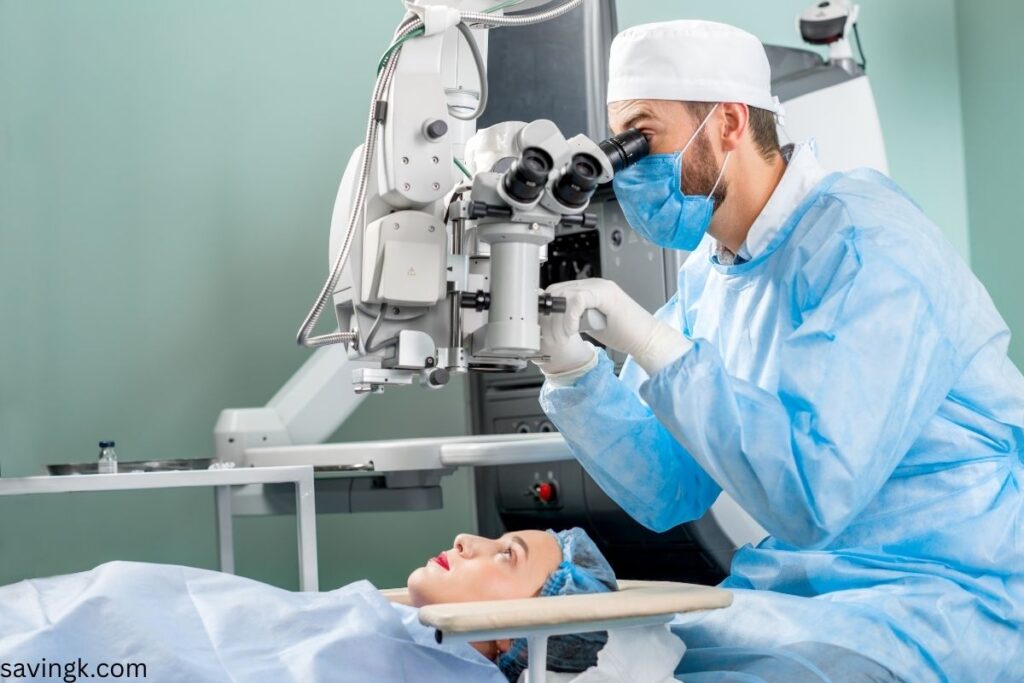
If you’re tired of glasses and contacts, LASIK isn’t just a medical procedure; it’s a long-term financial and lifestyle investment. While the upfront cost may seem steep, the combination of savings, convenience, and quality of life improvements make LASIK a smart choice for many people.
With financing plans and the ability to use HSA or FSA funds, LASIK becomes even more attainable. And when you look at the ROI of clear vision, the numbers, and the benefits, speak for themselves.
Key Takeaway: LASIK may cost thousands today, but it can save tens of thousands over a lifetime while giving you something priceless: the freedom to see clearly without glasses or contacts.