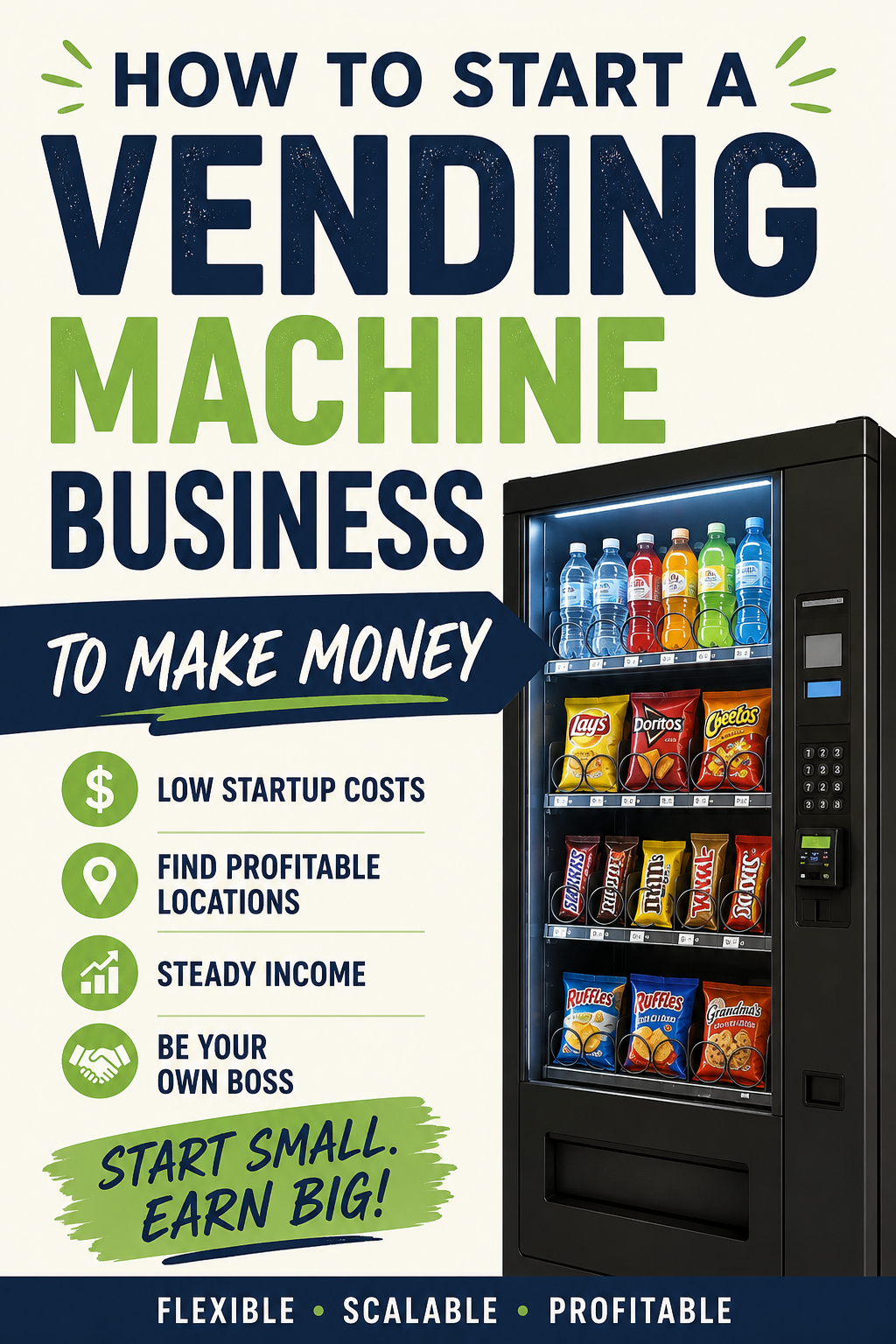
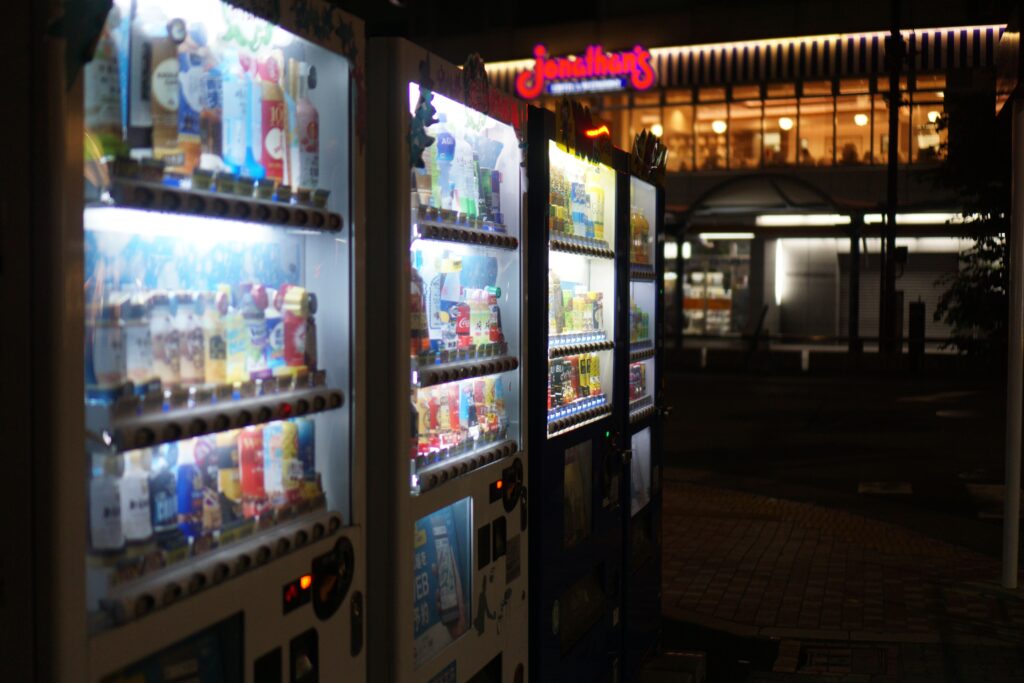

Vending machines have come a long way from dispensing candy bars and soda. Today, entrepreneurs are earning extra income, replacing full-time salaries, and even building six-figure businesses with vending machines stocked with everything from snacks and drinks to electronics, beauty products, toys, and healthy foods.
The best part? A vending machine business can be started on a relatively small budget, doesn’t require employees in the beginning, and can often be run alongside a full-time job.
If you’re looking for a side hustle that can grow into a real business, here’s what you need to know.
Contents
- Why Start a Vending Machine Business?
- How Much Does It Cost?
- Choose Your Niche
- Finding Profitable Locations
- How to Get Locations
- Buy the Right Machine
- What Products Should You Stock?
- Where to Buy Inventory
- Can You Buy Used Machines?
- How Much Can You Make?
- Growing Your Business
- Common Mistakes to Avoid
- Is a Vending Machine Business Worth It?
- Frequently Asked Questions
Why Start a Vending Machine Business?
Vending machines generate passive income, but they aren’t completely hands-off. You’ll still need to restock inventory, collect money (or monitor digital payments), maintain the machines, and find profitable locations.
Some advantages include:
- Low startup costs compared to many businesses
- Flexible schedule
- Cash flow from repeat customers
- Ability to scale at your own pace
- No retail storefront required
- Can be operated by one person
Many successful operators start with just one machine and gradually reinvest profits into additional locations.
How Much Does It Cost?
Startup costs vary depending on whether you buy new or used equipment.
Typical expenses include:
| Item | Estimated Cost |
|---|---|
| Used vending machine | $500 to $2,500 |
| New vending machine | $3,000 to $10,000+ |
| Initial inventory | $200 to $800 |
| Credit card reader | $200 to $500 |
| Vehicle/fuel | Varies |
| Insurance | $200 to $800/year |
| Business license (if required) | Varies |
Many beginners purchase quality used machines to keep startup costs low.
Choose Your Niche
Not every vending machine sells chips and soda anymore.
Popular options include:
Snack Machines
Still one of the most popular choices.
Products include:
- Chips
- Candy
- Cookies
- Granola bars
- Trail mix
Beverage Machines
Sell:
- Water
- Soda
- Sports drinks
- Energy drinks
- Juice
Healthy Vending
Many offices, gyms, and schools prefer healthier options like:
- Protein bars
- Nuts
- Fruit snacks
- Low-sugar beverages
Specialty Machines
Creative entrepreneurs have found success selling:
- Phone chargers
- Headphones
- Beauty products
- PPE supplies
- Pet treats
- Fishing bait
- Toys
- Books
- Fresh flowers
- Baby products
The more your products fit the location, the better your sales.
Finding Profitable Locations
Location is everything.
A mediocre machine in an excellent location will often outperform a premium machine in a poor location.
Good locations include:
- Apartment complexes
- Hotels
- Manufacturing plants
- Office buildings
- Car dealerships
- Hospitals
- Laundromats
- Gyms
- Community centers
- Colleges
- Auto repair shops
- Bowling alleys
- Hotels
- Airports
Look for places with high foot traffic and limited nearby food options.
How to Get Locations
Finding locations is usually the hardest part.
Start by:
- Visiting local businesses
- Asking to speak with the owner or manager
- Explaining that you’ll install and service the machine at no cost
- Showing photos of your machines
- Providing references if possible
Some property owners request a monthly rental fee, while others prefer a percentage of sales.
Buy the Right Machine
Before purchasing, make sure the machine:
- Accepts credit cards
- Accepts mobile payments
- Is energy efficient
- Has replacement parts available
- Is easy to repair
- Includes modern payment software
Cashless payments have become increasingly important since many customers no longer carry cash.
What Products Should You Stock?
Watch your sales data.
Best-selling products often include:
- Bottled water
- Coke
- Pepsi
- Energy drinks
- Reese’s
- Snickers
- Doritos
- Cheetos
- M&M’s
- Skittles
- Gum
Don’t be afraid to test local favorites and seasonal products.
Where to Buy Inventory
Successful operators shop around for the best wholesale prices.
Common sources include:
- Warehouse clubs such as Costco or Sam’s Club
- Restaurant supply stores
- Wholesale distributors
- Beverage distributors
- Grocery sales
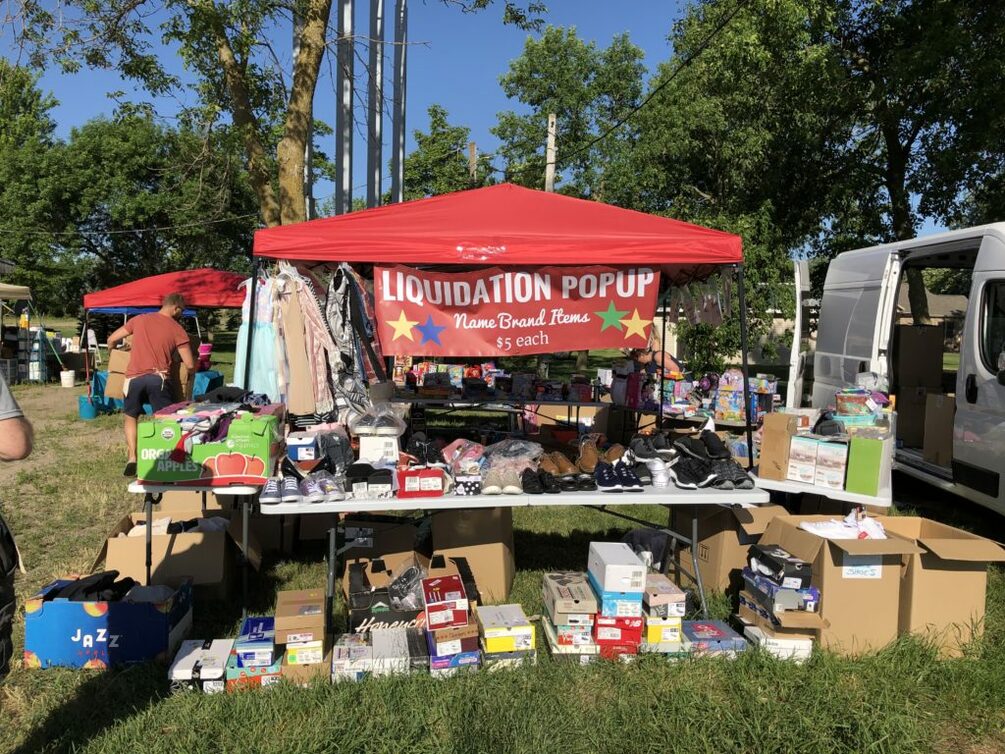
- Liquidation stores
- Closeout suppliers
Buying resale inventory on sale can significantly increase your profit margins.
Can You Buy Used Machines?
Absolutely.
Many experienced operators recommend buying used machines when you’re starting out.
Places to find them include:
- Facebook Marketplace
- Craigslist
- Local vending companies
- Restaurant equipment dealers
- Business liquidation auctions
- Government surplus auctions
Before buying, test the machine and verify that replacement parts are still available.
How Much Can You Make?
Income depends on:
- Location
- Product mix
- Pricing
- Number of machines
- Competition
Example:
One machine:
- Weekly sales: $250
- Product cost: $110
- Gross profit: $140
With 20 similar machines, gross profits could exceed $2,800 per week before expenses.
Some machines in busy locations earn much more, while others may only generate a few hundred dollars per month.
Growing Your Business
After your first profitable machine:
- Reinvest profits
- Add more locations
- Diversify products
- Upgrade to newer machines
- Add micro markets
- Hire someone to help with servicing
Many vending business owners grow from one machine to dozens over several years.
Common Mistakes to Avoid
New operators often make these mistakes:
- Buying expensive machines before securing locations
- Ignoring maintenance
- Overstocking slow-selling products
- Not tracking inventory
- Visiting machines too often (or not often enough)
- Choosing low-traffic locations
- Not offering cashless payment options
Learning from your sales data is one of the fastest ways to improve profits.
Is a Vending Machine Business Worth It?
For many people, yes.
A vending machine business won’t make you rich overnight, but it can become a dependable source of recurring income. With careful location selection, smart inventory purchasing, and consistent maintenance, even a small route of machines can generate meaningful monthly profits.
Whether you’re looking for a side hustle, a retirement business, or a way to diversify your income, vending machines remain one of the more accessible small businesses to start. Like any business, success comes from choosing the right locations, controlling costs, and continually improving your operation as you grow.
Frequently Asked Questions
How much money do I need to start a vending machine business?
Many people begin with between $1,500 and $5,000, enough to purchase a used machine, stock inventory, and cover startup expenses.
Do I need an LLC?
Not necessarily, but forming an LLC can provide liability protection and may make your business appear more professional. Check with your state for licensing and registration requirements.
Do vending machines make passive income?
They can generate recurring income, but they still require regular restocking, maintenance, bookkeeping, and customer service. Think of them as semi-passive rather than completely hands-off.
Can I finance vending machines?
Yes. Some vending machine suppliers offer business financing or lease-to-own options, though buying quality used machines with cash often results in lower overall costs.
What’s the biggest factor in success?
Location. A great location with steady foot traffic can dramatically outperform a machine in a low-traffic area, even if both sell the same products.