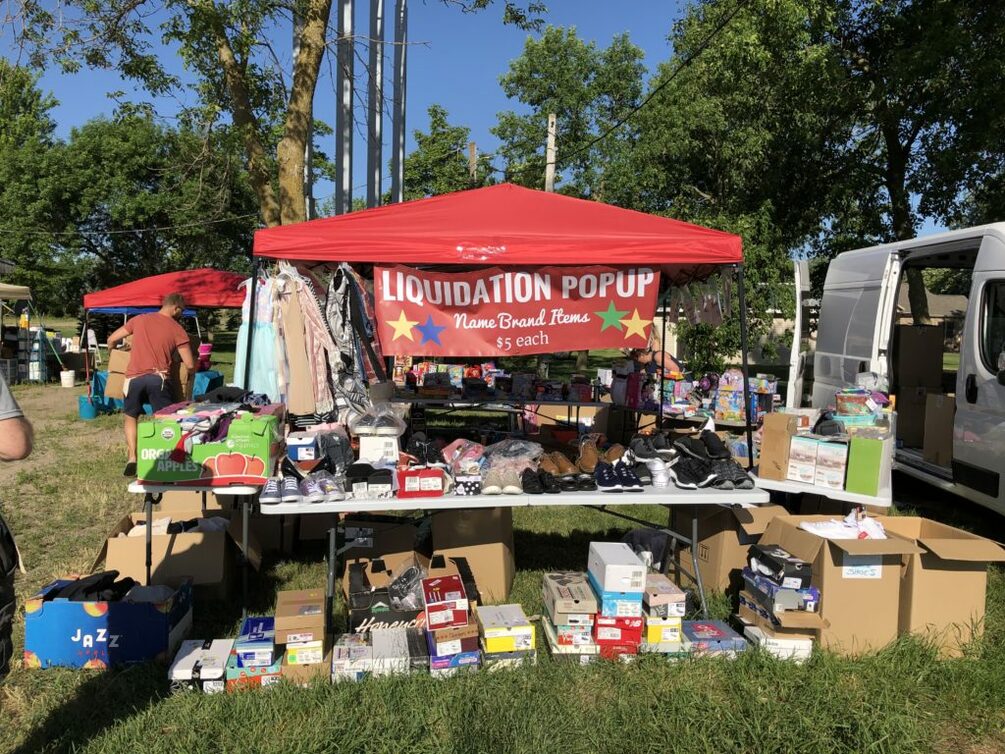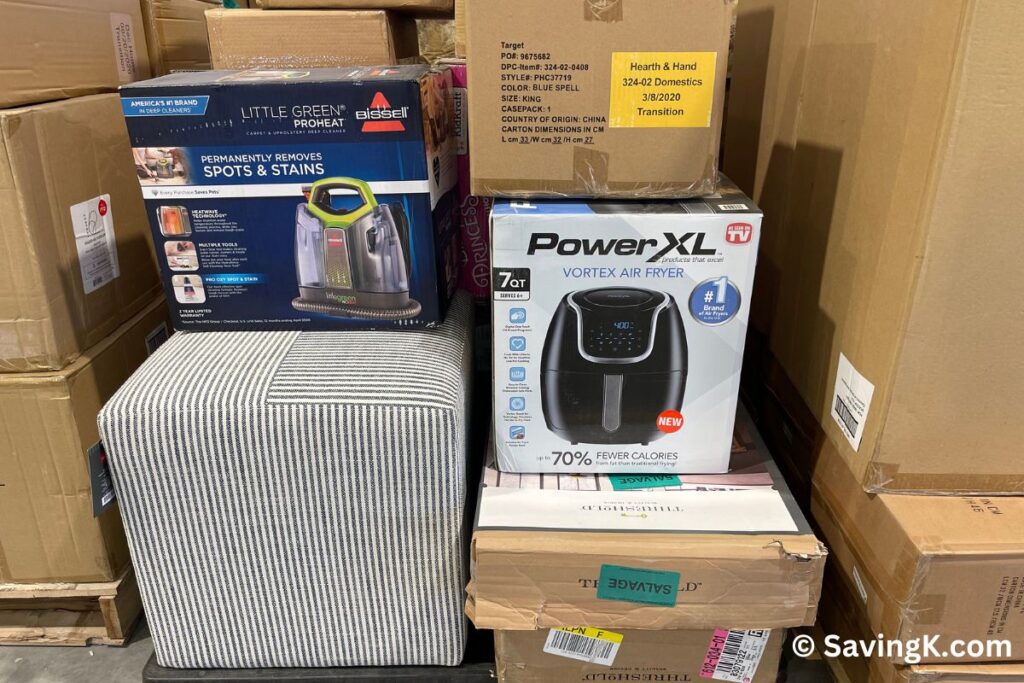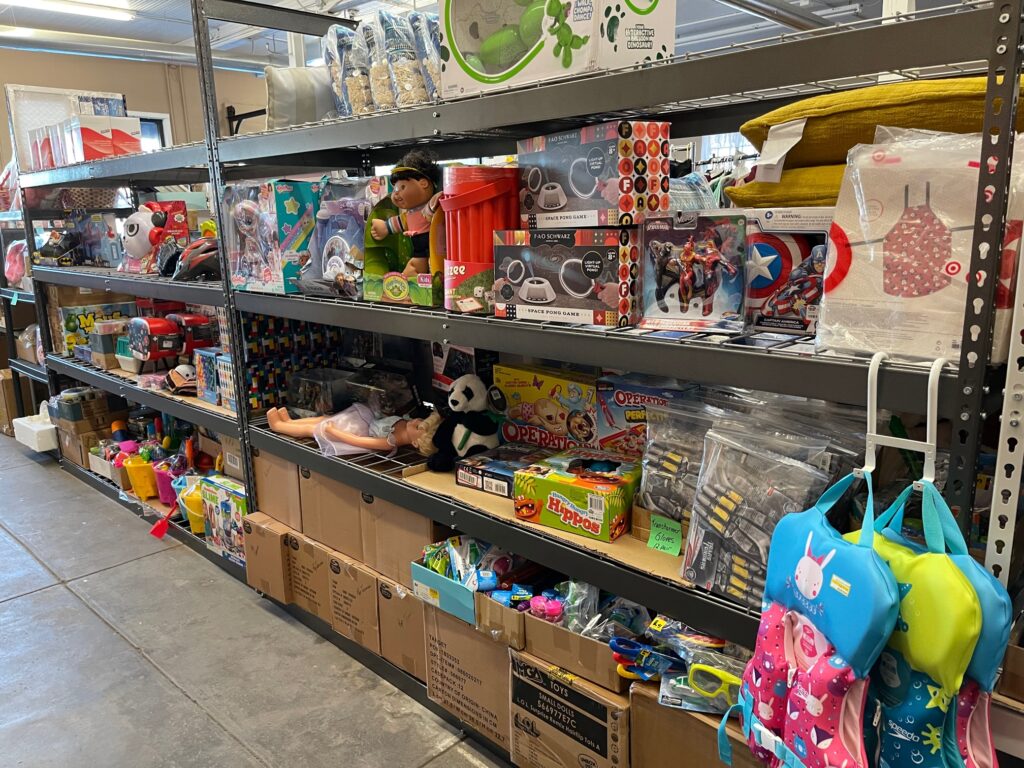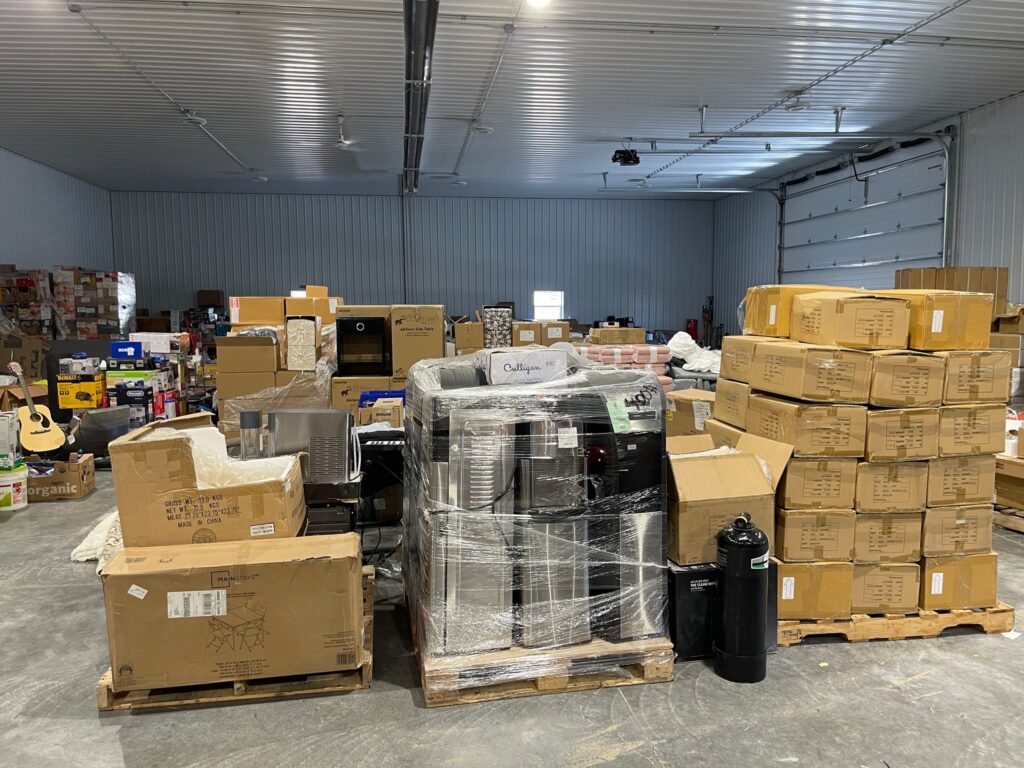


When most people think of liquidation, they picture rows of pallets filled with returned or overstocked goods, but few understand the complex logistics that make those pallets appear like clockwork at warehouses and liquidation stores. Behind every bargain bin or $5 sale, there’s a network of freight carriers, distribution hubs, and cost calculations working in the background.
Let’s pull back the curtain on what really happens behind the scenes of liquidation freight and logistics.
What Is Liquidation Freight?
Liquidation freight refers to the transportation of excess, returned, or discontinued merchandise from retailers and manufacturers to liquidation buyers, pallet resellers, or discount stores.
Unlike standard retail freight, which moves products to stock store shelves, liquidation freight is reverse logistics — moving inventory out of the retail system and into secondary markets. This includes:
- Customer returns from eCommerce giants like Amazon or Walmart
- Seasonal or shelf-pulled merchandise from department stores
- Overstock from brand warehouses
- Salvage or damaged goods from distribution centers
These shipments typically travel via less-than-truckload (LTL) or full truckload (FTL) freight, depending on how many pallets are being moved.
LTL vs. FTL: The Freight Basics
LTL (Less Than Truckload) shipping is ideal for smaller liquidation buyers who purchase a few pallets at a time. The freight carrier combines shipments from multiple buyers into one truck to reduce costs.
-
✅ Pros: Cheaper for small orders, widely available
-
❌ Cons: Longer transit times, more handling (increased damage risk)
FTL (Full Truckload) shipping is preferred for bulk buyers or store owners receiving an entire truckload of liquidation pallets.
-
✅ Pros: Faster delivery, less handling, lower damage risk
-
❌ Cons: Higher upfront cost, requires warehouse space or a dock for unloading
If you’ve ever purchased Amazon return pallets from a major liquidator like B-Stock, Direct Liquidation, or VIA Trading, the shipping quote you receive depends on this classification plus distance, pallet weight, and freight class.
Understanding Freight Class and Pallet Weight
Every shipment is assigned a freight class, which determines how much it costs to ship. Liquidation freight is typically rated between class 100–175, depending on the density and fragility of the goods.
For example:
- Electronics or fragile home goods = higher class (more expensive)
- Apparel or tools = lower class (cheaper per pound)
Each pallet can weigh anywhere from 200 to 1,200 pounds, and the number of pallets per truckload usually ranges from 24 to 30.
That’s why you’ll often see “Freight quote required” on liquidation listings as costs vary widely depending on your location and how the goods are packaged.
The Hidden Role of Freight Brokers
Many liquidation companies don’t own their own trucks. Instead, they rely on freight brokers which are intermediaries who match loads with available carriers.
A good freight broker ensures:
- Competitive pricing for your shipment
- Proper paperwork (bill of lading, freight class, NMFC codes)
- Coordination between the warehouse and carrier
- Real-time tracking and updates
Some experienced resellers develop direct relationships with local carriers to cut out the middleman and negotiate better rates, especially if they receive consistent loads.
Inside the Liquidation Warehouse
Once liquidation freight arrives at a distribution center or warehouse, the next phase begins. Workers inspect, rewrap, and label pallets before they’re sent to their final destination, whether that’s a bin store, reseller’s garage, or online marketplace.
Common steps include:
- Check-in: Drivers present the bill of lading, and the shipment is logged into inventory.
- Inspection: Damaged pallets or packaging are noted.
- Sorting: Some centers break down truckloads into smaller, category-based lots (e.g., tools, apparel, home goods).
- Staging: Pallets are wrapped and staged for pickup or resale.
For liquidation business owners, understanding this process helps manage expectations on delivery timelines and inventory quality.
How Long Does Liquidation Freight Take?
Transit time depends on distance and freight type:
- LTL shipments: 5–10 business days on average
- FTL shipments: 2–5 business days
Delays can occur if a warehouse requires an appointment for loading/unloading or if multiple buyers’ pallets share the same truck.
If your business doesn’t have a loading dock, you’ll also need to request liftgate service, which adds a small surcharge but ensures the truck can unload your pallets safely to ground level.
Tips to Save Money on Liquidation Freight
- Get multiple quotes. Compare rates from the liquidator, your own freight broker, and online tools like Freightquote or uShip.
- Consolidate loads. Combine multiple pallet purchases from the same area into one shipment.
- Ship to a business address. Residential deliveries cost more.
- Use a forklift or dock. Avoid liftgate fees when possible.
- Build relationships. Regular shippers often get discounted rates or preferred treatment.
The Bigger Picture: Reverse Logistics in Action
Liquidation freight is just one part of a massive reverse logistics industry valued at over $800 billion globally. Every year, billions of returned and unsold items make their way from retail shelves back through distribution centers, then onto liquidation trucks ensuring those goods don’t end up in landfills.
By purchasing liquidation inventory, small business owners and resellers help close the loop, reduce waste, and give products a second chance at life.
So, the next time a pallet rolls into your warehouse or a $10 bin event fills up with fresh finds, remember that behind every deal is a sophisticated logistics chain that keeps the resale economy rolling.
Key Takeaway
Liquidation freight and logistics might not be glamorous, but they’re the backbone of the discount retail industry. Understanding how freight works, from classes to brokers to delivery timelines, can help you make smarter buying decisions, save money on shipping, and keep your resale operation running smoothly.