

If you’ve ever thought about turning bargain hunting into a profitable business, starting a liquidation business might be the perfect opportunity. Liquidation businesses buy surplus, overstock, and returned goods from major retailers and resell them at a discount. With the rise of e-commerce returns and excess retail inventory, liquidation has become a booming industry—and one you can enter with the right strategy.
What Is a Liquidation Business?
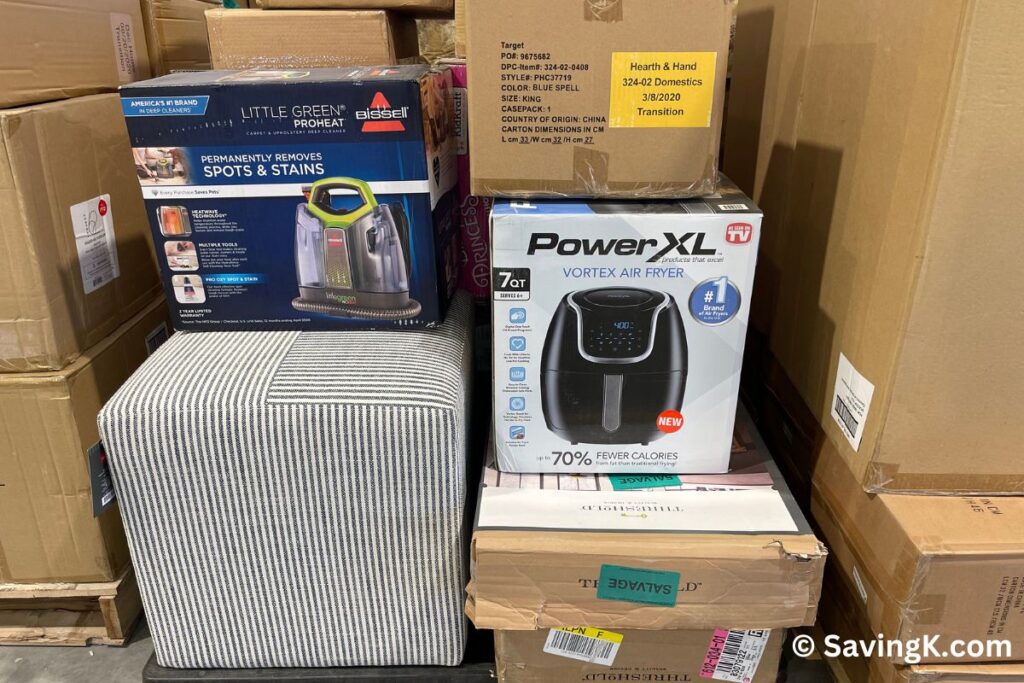
A liquidation business purchases goods that retailers, manufacturers, or distributors need to move quickly. These products may include:
- Customer returns (from online and in-store purchases)
- Overstock inventory (unsold items taking up warehouse space)
- Seasonal merchandise (holiday, back-to-school, or other time-sensitive products)
- Shelf pulls (products pulled from stores to make room for new stock)
You then resell these items—through a store, pop-up shop, flea market, online marketplace, or even social media—for a profit.
Steps to Start a Liquidation Business
1. Research the Market
Before diving in, study the liquidation industry. Learn what sells well in your area and online. Popular categories include:
- Apparel and shoes
- Home goods and furniture
- Electronics
- Tools and hardware
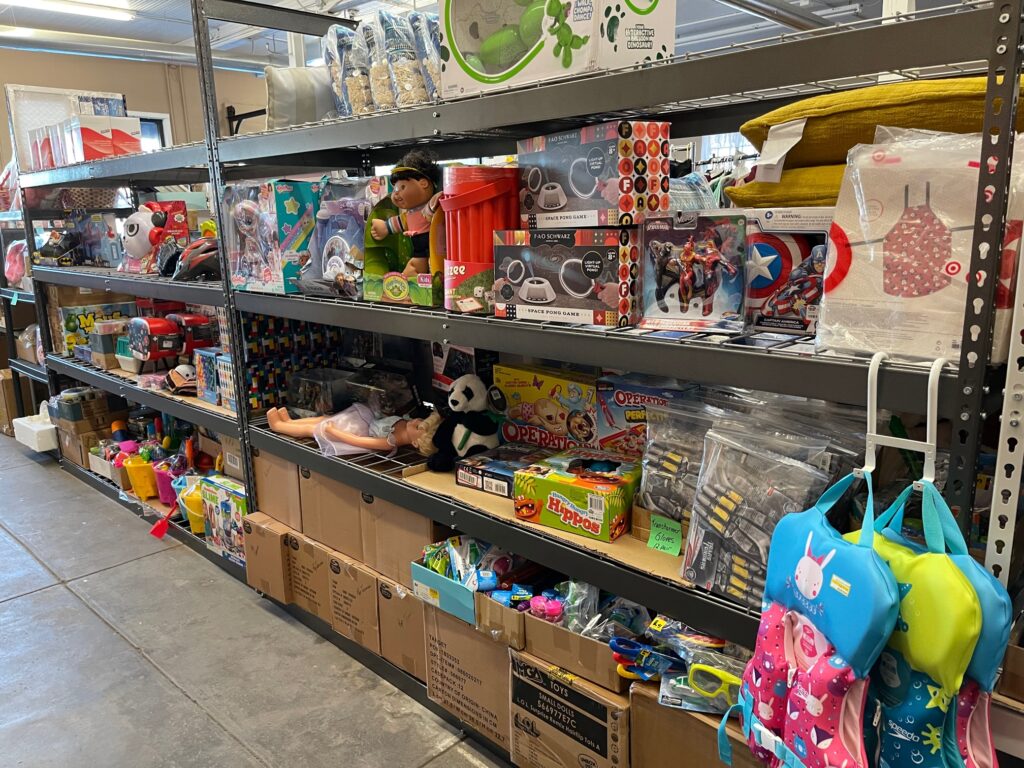
- Toys and seasonal items
Look at what resellers in your area are offering and check online marketplaces like eBay, Facebook Marketplace, and Whatnot to gauge demand.
2. Decide on a Business Model
Liquidation businesses can take different forms:
- Retail storefront – Requires more overhead but builds community presence.
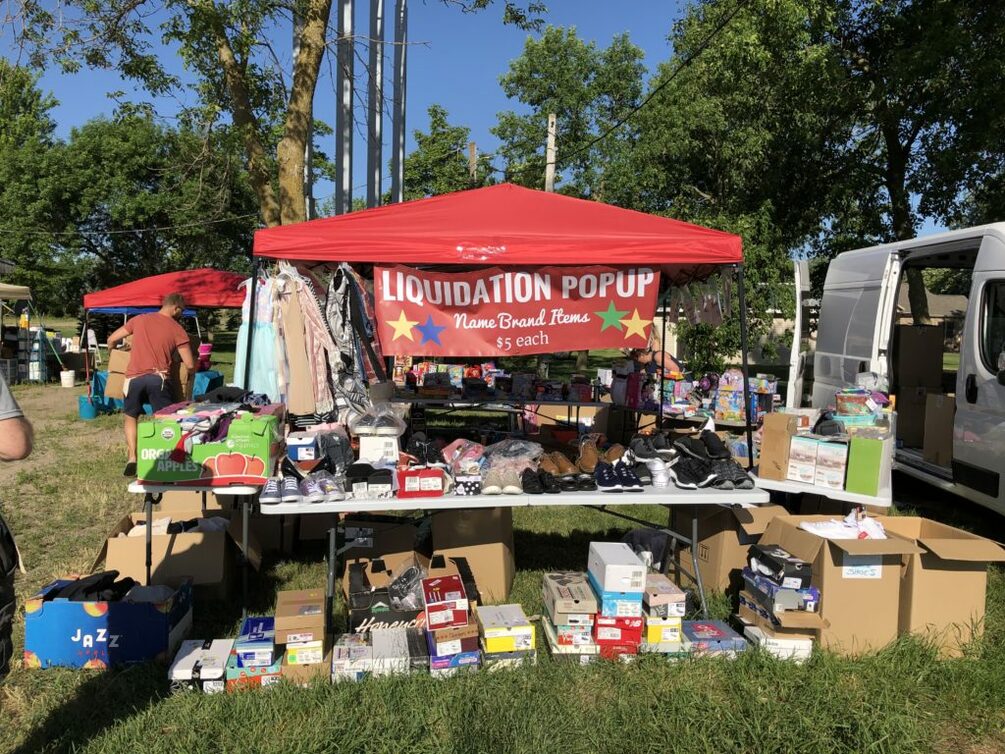
- Pop-up or warehouse sales – Creates urgency and excitement.
- Online reselling – Lower overhead, wider reach.
- Combination approach – Many successful liquidators mix in-person and online sales.
3. Register Your Business
Make your business official:
- Choose a business name.
- Register as an LLC or sole proprietorship.
- Get a resale certificate (tax ID) so you can buy pallets tax-free.
- Open a business bank account for tracking income and expenses.
4. Find Reliable Liquidation Sources
Where you buy your pallets or truckloads is crucial. Options include:
- Direct from retailers (Target, Walmart, Amazon, Macy’s, etc.)
- Liquidation wholesalers (BULQ, B-Stock, Via Trading, Liquidation.com)
- Local distributors or regional liquidation warehouses
Always research reviews and confirm manifests (lists of what’s included) when possible.
5. Start Small and Scale Up
Begin with a few pallets to test the waters. Learn how to sort, price, and sell efficiently before moving into larger purchases like truckloads.
6. Set Up Your Sales Channels
Decide where you’ll resell your liquidation goods:
- Online: eBay, Amazon, Mercari, Poshmark, Facebook Marketplace, or Whatnot
- Offline: Flea markets, pop-up sales, consignment shops, or your own store
Many successful liquidators use a mix of these platforms.
7. Organize and Price Your Inventory
Liquidation goods arrive in bulk and often mixed. Create a system to:
- Sort items by category and condition.
- Test electronics and clean goods when needed.
- Price competitively but profitably (remember you’re offering a deal).
8. Market Your Business
Use social media such as Facebook to showcase liquidation deals, post sneak peeks, and build hype for sales events. Consider:
- Facebook groups and pages
- Instagram or TikTok videos of unboxings
- Email or text message lists for regular customers
9. Manage Finances and Growth
Track your expenses (pallet costs, shipping, rent, marketing) and your profits carefully. Reinvest earnings into more inventory and scale gradually.
Pros and Cons of a Liquidation Business
Pros
- High profit margins possible
- Flexible—can be part-time or full-time
- Wide variety of products to sell
- Strong demand for discounted goods
Cons
- Inventory is unpredictable
- Requires storage space and organization
- Some items may be damaged or unsellable
- Upfront costs for pallets or truckloads
Final Thoughts
Starting a liquidation business can be a profitable venture if you love finding deals and reselling. With careful sourcing, smart pricing, and consistent marketing, you can build a loyal customer base that looks forward to your next sale. Whether you run a small online shop or a bustling warehouse sale, liquidation sales are an exciting way to turn surplus goods into real income.