
If you’ve ever walked into a bin store, you know the feeling.
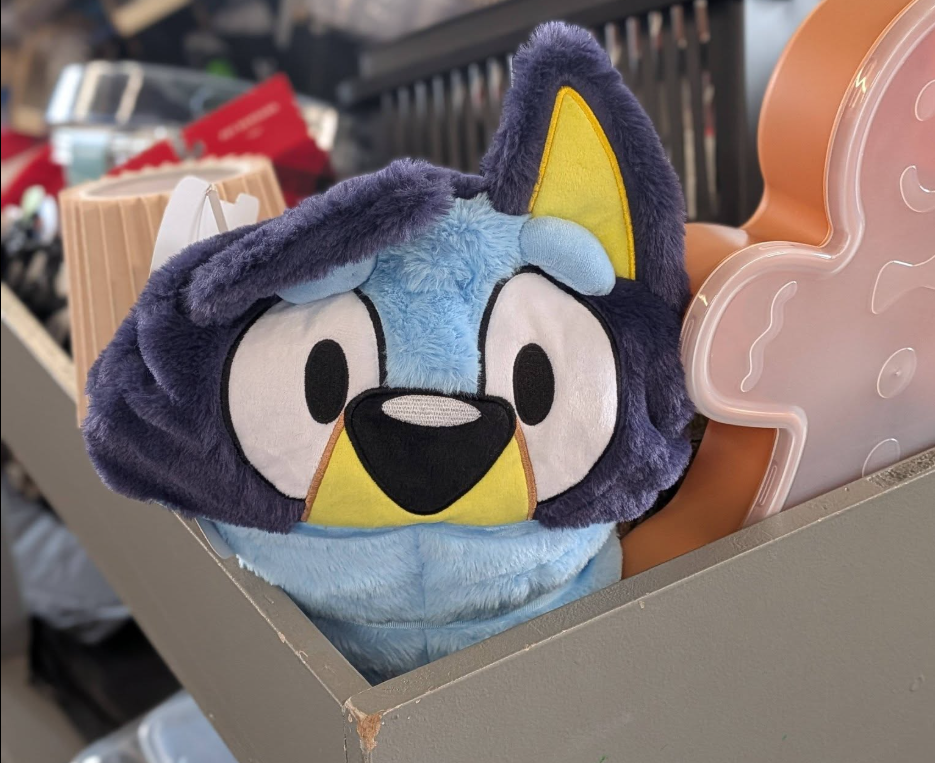
Digging through piles. Finding something worth $30 for $5. Watching people load carts like they’re on a game show with a time limit.
It might look chaotic, but behind the scenes, bin stores are running a very calculated business.
And once you understand how they actually make money, you’ll start to see how you can do it too.
What Is a Bin Store?
A bin store sells liquidation and return items, usually from major retailer, by placing them in large bins for customers to dig through.
Instead of pricing each item individually, everything is sold at a flat daily price that drops throughout the week.
A typical pricing model looks like:
- Friday: $10 day
- Saturday: $8
- Sunday: $6
- Monday: $4
- Tuesday: $2
- Wednesday: $1
- Thursday: Restock / closed
That declining price model is the engine that keeps everything moving.
Where Do Bin Stores Get Their Inventory?
Most inventory comes from:
- Amazon return pallets
- Target, Walmart, and big-box store liquidations
- Overstock and shelf pulls
These pallets are usually unmanifested, meaning you don’t know exactly what’s inside.
That’s the risk but also where the profit lives.
How Bin Stores Actually Make Money
From the outside, it looks like they’re selling things way too cheap to survive.
But here’s how the math really works.
1. They Buy Inventory Dirt Cheap
Bin stores aren’t paying retail, not even close.
A pallet that retails for $5,000 might cost a few hundred dollars. Sometimes even less depending on the source and condition.
That huge spread creates room for profit, even at low selling prices.
2. They Rely on Volume, Not Margins
They’re not trying to make $20 on one item.
They’re trying to sell hundreds (or thousands) of items per day.
Even if the average item sells for just a few dollars, it adds up quickly when the bins stay busy.
3. The Pricing Model Creates Urgency
That decreasing price structure isn’t random, it’s psychology.
Customers know:
- Shop early = better items
- Shop late = better prices
This keeps traffic flowing all week and ensures inventory doesn’t sit around.
4. They Don’t Waste Time Sorting Everything
Individually pricing items would kill the business.
Instead, most bin stores:
- Pull out only the obvious high-value items
- Throw the rest into bins as-is
This keeps labor low and inventory moving fast.
5. They Monetize the “Treasure Hunt”
The real product isn’t just the items, it’s the experience.
People come for the thrill of finding something valuable.
That excitement keeps customers coming back again and again.
Can You Make Money Doing This Too?
Short answer: yes.
But it doesn’t have to look exactly like a full retail store.
There are a few different ways to tap into the same model.
Option 1: Start Small With Pallets
You don’t need a storefront to get started.
You can:
- Buy a Target liquidation pallet
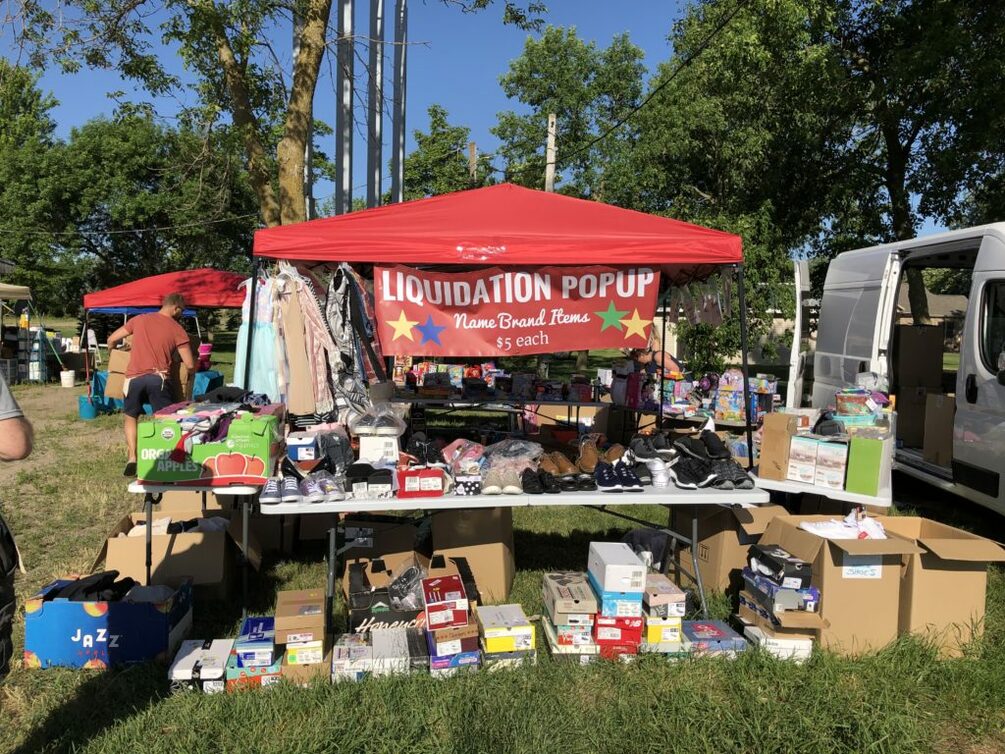
- Sell items locally (Facebook Marketplace, garage sales, pop-ups)
- Learn what sells before scaling
This is the easiest entry point and how many people get their start.
Option 2: Run Your Own Mini Bin Sale
You’ve already done this—so you know it works.
Even on a smaller scale, you can:
- Set flat pricing (like $5 per item)
- Create urgency with limited-time sales
- Move a lot of inventory quickly
You don’t need fancy shelving or displays. In fact, the “bin” feel often works better.
Option 3: Pull and Flip High-Value Items
Instead of selling everything cheap, you can:
- Keep higher-value items
- Sell them individually online
- Use lower-value items for bulk or bin-style sales
This hybrid approach is where a lot of profit can come from.
Option 4: Scale Into a Full Bin Store
If you’ve got the space and inventory flow, this is where things can really grow.
But it comes with added challenges:
- Rent and overhead
- Staffing
- Inventory sourcing consistency
- Crowd control (especially on restock days)
It’s not passive, but it can be very profitable when done right.
What Most People Get Wrong
A lot of beginners assume:
- Everything in a pallet is valuable
- Everything will sell quickly
- Pricing low automatically guarantees profit
That’s not how it works.
The real key is:
- Buying right
- Moving inventory fast
- Keeping costs low
Final Thoughts
Bin stores might look messy on the surface, but they’re built on a smart system: low costs, high volume, and fast turnover.
If you understand that model, you don’t just become a shopper. you start thinking like the person running the bins.
And whether you’re flipping a few items on the side or building something bigger, the same principle applies:
Buy low, move fast, and don’t overcomplicate it.