
For many people, cars are more than just a way to get from point A to point B. They can also be a powerful way to build wealth if you know how to buy and sell strategically. From flipping budget-friendly used cars to investing in rare collectibles like antique roadsters or limited-edition Teslas, the car market offers plenty of opportunities to turn metal into money.
Whether you’re a beginner looking to make a little extra cash or a serious investor eyeing the collector market, here’s a full breakdown of how to make money buying and selling cars.
Why Cars Can Be a Profitable Investment
Unlike most purchases that lose value the minute you drive them off the lot, some cars actually gain value over time. Antique and classic cars, rare luxury models, and limited-edition runs often appreciate, especially when kept in excellent condition.
Even everyday vehicles can be profitable when flipped correctly. Buying low (often at auctions or from motivated sellers) and selling high after cleaning, repairing, or marketing the car better than the previous owner is the basis of car flipping.
The trick is knowing which cars to buy, where to find them, and how to resell for maximum profit.
1. Start Small with Used Car Flipping
If you’re new to the business, the best entry point is flipping used cars. These are typically lower-risk and don’t require tens of thousands in upfront investment.
How it works:
- Find undervalued cars. Search Craigslist, Facebook Marketplace, OfferUp, or local classified ads for cars priced below market value. Look for motivated sellers, such as people relocating, needing fast cash, or offloading an extra car.
- Fix and clean. Basic improvements like detailing, replacing tires, or fixing minor issues can add hundreds (or thousands) to the resale value.
- Resell smart. Market the car with professional-looking photos, clear descriptions, and highlight any improvements.
Example:
You buy a used Toyota Camry for $2,500, spend $300 on minor repairs and detailing, and resell it for $4,200. That’s a $1,400 profit on a single flip.
Pro Tip: Reliable, fuel-efficient cars like Honda Civics, Toyota Corollas, and small SUVs are always in demand and easier to sell quickly.
2. Look Into Classic and Antique Cars
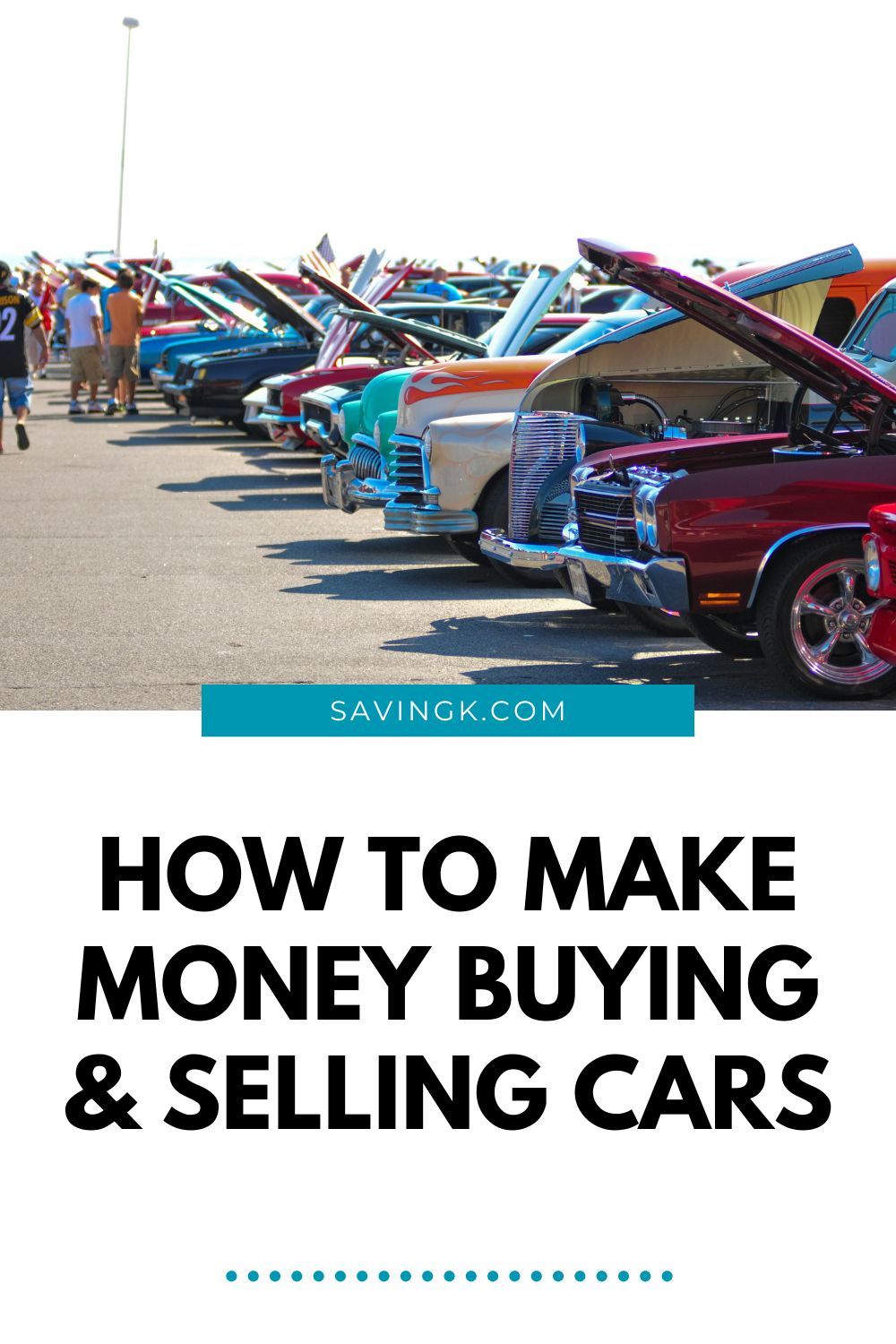
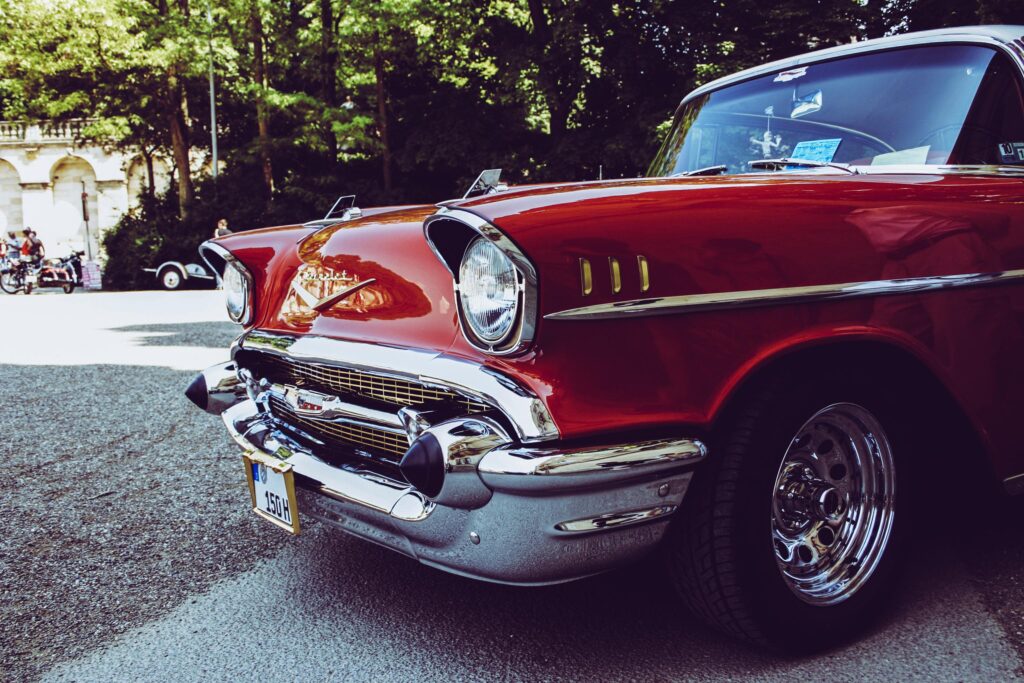
Classic cars can be a long-term play. Think 1960s Mustangs, vintage Corvettes, or restored Volkswagen Beetles. These cars often appreciate if kept in excellent condition or fully restored.
What to know:
- Rarity matters. Limited production runs or models with unique features tend to rise in value.
- Condition is key. A fully restored antique is worth significantly more than a project car needing thousands in repairs.
- Storage counts. Proper storage (climate-controlled garage, protective covers) helps preserve value.
Example:
A 1967 Ford Mustang Fastback bought for $40,000 may appreciate to $70,000 in five years if demand rises and it’s well maintained.
Pro Tip: Attend classic car auctions (like Barrett-Jackson or Mecum) to study prices and trends before diving in.
3. Invest in Limited-Edition and Luxury Models
Some modern cars also hold strong resale value, especially limited-edition or luxury models. For example, Tesla often releases special trims with unique features that collectors snap up. Luxury brands like Ferrari, Lamborghini, and Porsche frequently create exclusive runs that appreciate quickly.
What to know:
- Buy early. Many limited-edition cars sell out fast, so getting on a preorder list is essential.
- Hold for demand. Some luxury cars may not appreciate immediately but gain value as they become rarer.
- Keep mileage low. High mileage kills value. Limited editions should be driven sparingly to maintain collector appeal.
Example:
A Tesla Roadster Founders Series originally priced at $250,000 resold years later for over $1 million due to limited supply and high demand.
4. Where to Find Investment-Worthy Cars
Knowing where to look is half the battle. Here are some of the best places to source cars:
- Local classifieds & online marketplaces – Facebook Marketplace, Craigslist, and Autotrader often have motivated sellers.
- Car auctions – Government auctions, police auctions, and dealer-only auctions often list cars at steep discounts.
- Collector car auctions – Barrett-Jackson, Mecum, or RM Sotheby’s specialize in rare and valuable models.
- Word of mouth – Friends, family, and local community groups can be goldmines for underpriced cars.
5. How to Maximize Your Profits
Making money buying and selling cars isn’t just about finding the right vehicle—it’s about strategy.
Market Presentation
- Take high-quality photos in good lighting.
- Write detailed, honest descriptions.
- Highlight upgrades, repairs, or unique features.
Timing Matters
- Sell convertibles in spring or summer.
- SUVs and trucks sell better in fall and winter.
- Tax season often brings more buyers with cash on hand.
Add Value Before Selling
- Detail the car (inside and out).
- Replace inexpensive but noticeable items like floor mats or headlights.
- Handle small mechanical fixes that increase buyer confidence.
6. Legal and Financial Considerations
Flipping cars isn’t without rules.
- Dealer license laws. Many states limit how many cars you can sell per year without a dealer license (often 3–6 cars). If you want to make this a business, consider getting licensed.
- Taxes. Profits from car flipping are taxable income. Keep good records.
- Insurance and registration. Always keep cars properly registered and insured while in your possession.
7. Pros and Cons of Buying and Selling Cars
Pros
- Can start small with used car flipping.
- High profit potential with the right finds.
- Opportunity to turn a hobby into income.
- Rare cars can appreciate significantly over time.
Cons
- Risk of buying a lemon that costs more to fix than it’s worth.
- Requires knowledge of car values and repairs.
- Legal limits on number of sales without a license.
- Luxury/collector cars often require large upfront investment.
Final Thoughts
Making money buying and selling cars is part art, part science. For some, it’s a side hustle that brings in extra cash. For others, it can grow into a full-fledged business or even an investment strategy rivaling real estate or stocks.
The key is to start small, learn the market, and refine your process. Whether you’re flipping budget-friendly used cars, restoring vintage classics, or investing in luxury limited editions, the car market offers opportunities for profit if you’re patient, smart, and strategic.
So, the next time you see a For Sale sign on an old Mustang, a Tesla preorder list opening, or a bargain-priced SUV online, remember, it might not just be a car. It could be your next investment.