
Getting your first paycheck is a big moment. It means you’re earning your own money! But once the excitement wears off, you might notice your take-home pay is smaller than expected. Don’t worry, this is totally normal. Understanding what each section of your paycheck means can help you better manage your money and make smart financial decisions going forward.
1. Gross Pay vs. Net Pay
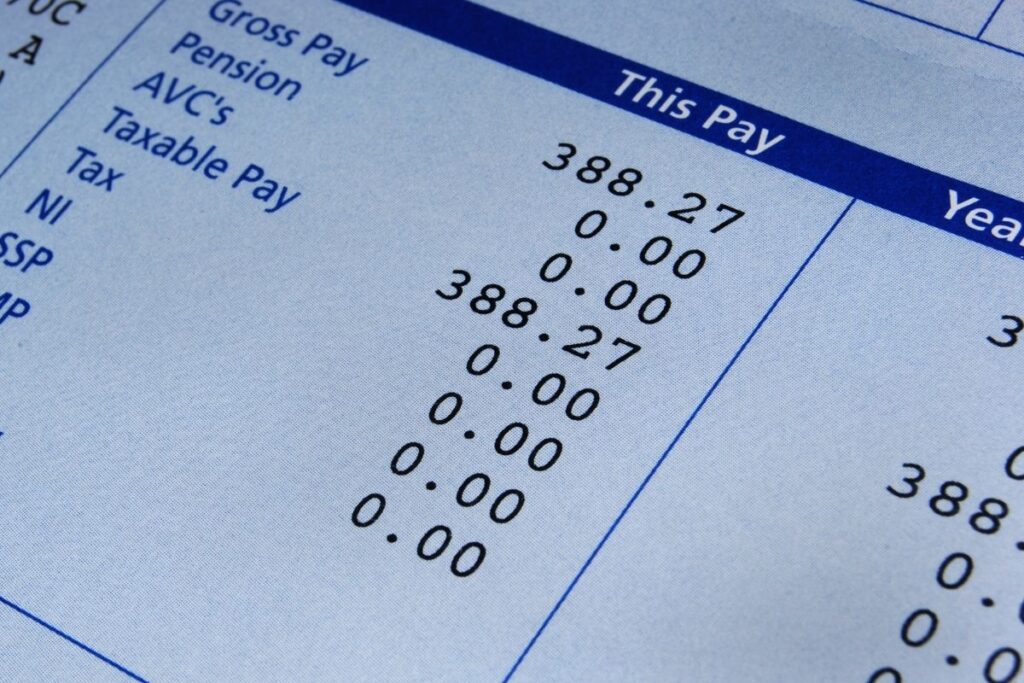
- Gross Pay: This is the total amount you earned before any taxes or deductions are taken out. If you’re paid hourly, it’s your hourly rate times the hours you worked.
- Net Pay: Also called “take-home pay,” this is the actual amount you receive in your bank account or check after all deductions.
Tip: Always budget based on your net pay, not your gross pay.
2. Federal and State Taxes
Your paycheck will show several types of taxes:
- Federal Income Tax: The amount depends on how much you earn and the details you entered on your W-4 form.
- State Income Tax: Not all states have income tax, but if yours does, it’ll be listed separately.
- FICA Taxes: These include:
-
-
Social Security Tax (6.2% of your gross income)
-
Medicare Tax (1.45% of your gross income)
-
Together, these are automatically withheld from your paycheck to fund federal programs.
3. Other Deductions
You might see other withholdings or voluntary deductions, such as:
- Health Insurance Premiums
- Retirement Contributions (like a 401(k))
- Union Dues
- Garnishments (if applicable)
Check with your employer’s HR or payroll department to see what each deduction covers.
4. Year-to-Date (YTD) Totals
Most pay stubs include a “YTD” column showing how much you’ve earned and paid in taxes and deductions since the start of the year. It’s a good way to track your progress and make sure everything adds up correctly.
5. Hours Worked and Overtime
If you’re paid hourly, your stub should list:
- Regular hours worked
- Overtime hours (and rate)
- Paid time off (if applicable)
Double-check this section to ensure you’re being paid for all your time.
6. Pay Period and Pay Date
These are often confused but are important:
- Pay Period: The span of time you’re being paid for (e.g., July 1–15)
- Pay Date: The actual date you receive the money
It’s common for your pay date to fall after the end of the pay period.
7. How to Spot Errors
Mistakes happen. Look out for:
- Missing hours
- Incorrect tax withholdings
- Wrong deductions
If something looks off, contact your HR or payroll department immediately.
8. Why You’re Taking Home Less Than Expected
It’s common to feel disappointed when your net pay is lower than your gross pay. Taxes and deductions can add up quickly. That’s why it’s smart to plan a budget based on what you actually receive—not the full amount you “earned.”
Final Thoughts
Your paycheck is more than just a deposit. It’s a financial document that tells you how your money is being allocated. Take a few minutes to look it over every pay period. Once you understand where your money goes, you’ll be in a much better position to save, spend, and plan for your future.