
A yard sale has its own personality. It’s a little more laid-back than a garage sale, often spread across the lawn, driveway, or even the whole front yard. Done right, it feels less like a clearance event and more like a neighborhood treasure hunt.
If you want to turn your yard into a money-making zone for the day, here’s how to do it without overcomplicating things.
1. Start With a Purpose, Not Just a Pile
The most successful yard sales start with a clear goal: get rid of things and make money doing it.
As you gather items, think less about what you could sell and more about what people would actually stop for. Everyday items tend to do well. Seasonal pieces, kids’ items, home goods, and anything in good condition will usually outperform random clutter.
A helpful mindset is this: if you wouldn’t buy it at someone else’s yard sale, it probably doesn’t belong in yours.
2. Let Your Yard Work for You
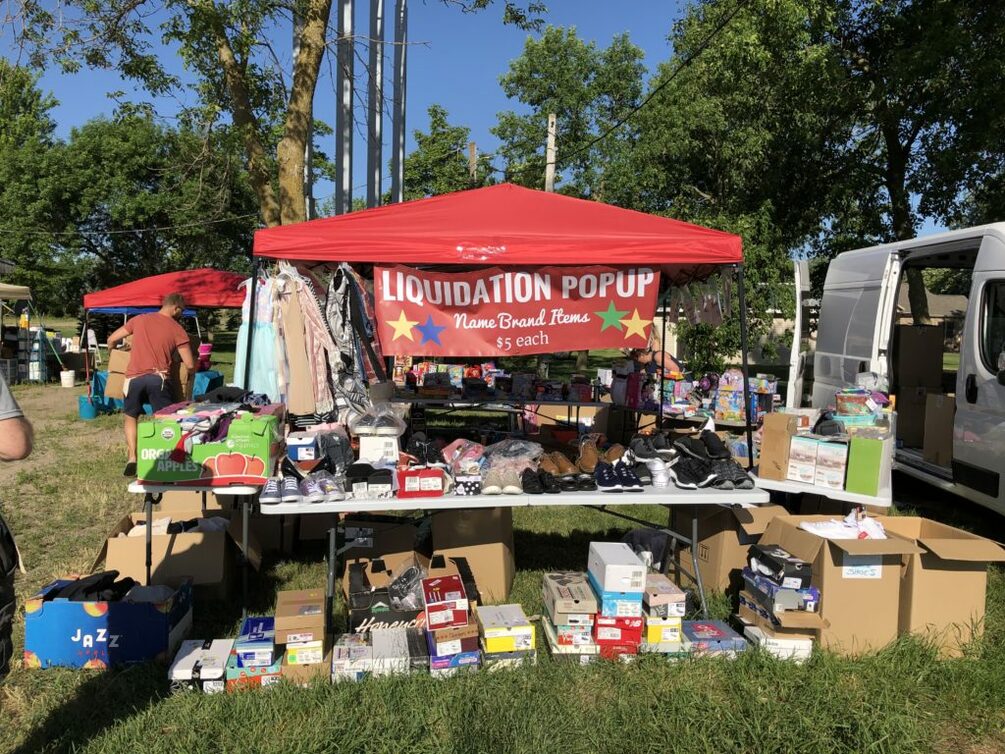
One advantage of a yard sale is space. Instead of squeezing everything into a garage, you can spread out and make things easier to browse.
Use that space wisely. Give items room to breathe so shoppers can move comfortably. Keep larger items visible from the street to draw people in. When someone can quickly scan what you’re offering, they’re more likely to stop.
3. Price to Move, Not to Maximize
Yard sales are about volume. You’ll almost always make more money selling 20 items cheaply than holding out for top dollar on a few.
Simple pricing works best. Most shoppers don’t want to ask for every single item, so clearly marked prices keep things moving. If you’re unsure, aim low early and adjust if needed. It’s easier to raise a price slightly than to convince someone to pay more later in the day.
4. Make It Easy to Find You
Even a great yard sale can feel invisible if it’s not promoted well.
Post your sale on Facebook Marketplace and local groups, and consider adding it to Craigslist. Include a few highlight items to grab attention.
Then use simple roadside signs. Big letters, bold arrows, and minimal words work best. Think of your signs like breadcrumbs leading people right to your yard.
5. Create a Flow People Naturally Follow
When shoppers arrive, they shouldn’t feel unsure where to start.
Arrange your layout so there’s a natural path from one section to the next. For example, place smaller items near the front, then lead into larger or more valuable pieces. This keeps people moving and browsing longer without them even realizing it.
The longer someone stays, the more likely they are to find something they didn’t know they wanted.
6. Be Friendly, But Let Them Browse
Yard sales have a social element, but there’s a balance.
A simple greeting is enough to make people feel welcome. After that, give them space. Hovering can make shoppers uncomfortable, while being available for questions keeps things easy when they’re ready to buy.
Think of yourself as the host of a casual event rather than a salesperson.
7. Expect Deals and Work With Them
Negotiation is part of the experience. Most shoppers expect it, especially at a yard sale.
Instead of resisting it, use it to your advantage. When someone shows interest in multiple items, offering a bundled price can quickly turn a maybe into a sale. It’s often better to move more items at once than to focus on getting the perfect price for each one.
8. Offer Simple Payment Options
Cash is still common, but it’s not guaranteed anymore.
Having options like Venmo, PayPal, or Cash App can make the difference between a sale and a missed opportunity. If someone is ready to buy but doesn’t have cash, a quick digital payment keeps things moving.
9. Use the End of the Day Wisely
As your yard sale winds down, your strategy should shift.
10. Plan Ahead for What Doesn’t Sell
Even a great yard sale leaves some items behind. Deciding what to do with them ahead of time saves you from second-guessing later.
You might donate what’s left, list a few items online, or bundle things together for a quick follow-up sale. The key is to keep the momentum going instead of letting things drift back into storage.
Final Thoughts
A good yard sale feels easy for shoppers. When your setup is clear, your prices are fair, and your space is inviting, people naturally stop, browse, and buy.
You don’t need a perfect setup to succeed. You just need to make it simple for people to say yes.