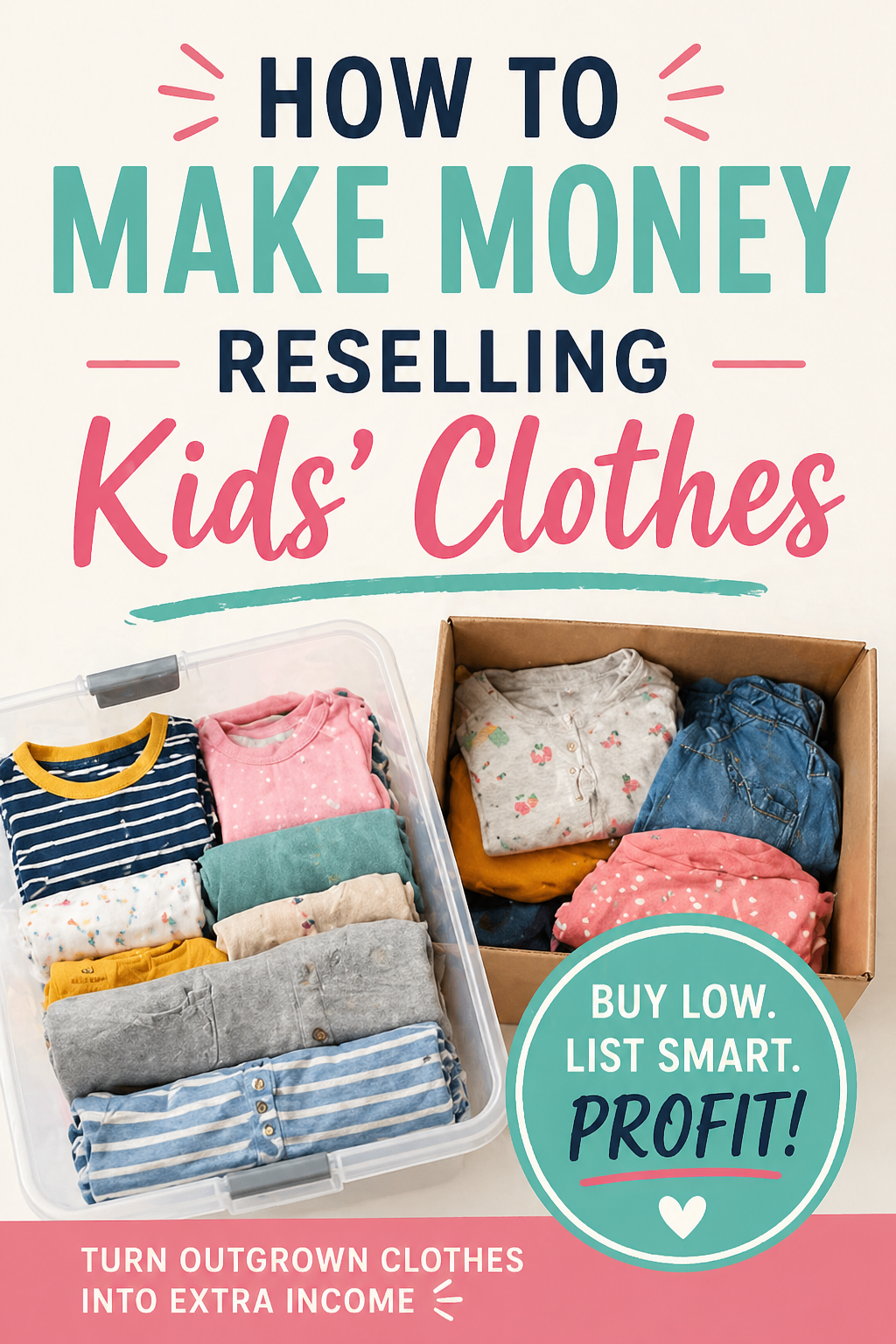

Kids’ clothes are one of the steadiest reselling niches out there. While adult fashion can sit, children’s items move quickly because sizes change fast and parents are constantly replacing wardrobes. That built-in demand makes it easier to turn inventory into cash without waiting forever.
Why This Niche Works
Parents are always planning ahead, buying the next size before their child even needs it. At the same time, many items are barely worn, and some are still new with tags. That combination creates a cycle where supply is high and demand never really slows down.
What makes this niche especially appealing is how repeatable it is. Once a buyer trusts you, they’ll often come back when their child sizes up.
Where to Find Inventory
Finding cheap inventory is the foundation of making money here. The lower your cost per item, the easier it is to profit.
Some of the best places to source include:
- Thrift stores, especially on discount days
- Garage sales with kids’ items or multi-family setups
- Facebook groups and local listings where parents sell bundles cheap
- Retail clearance racks at stores like Target and Walmart
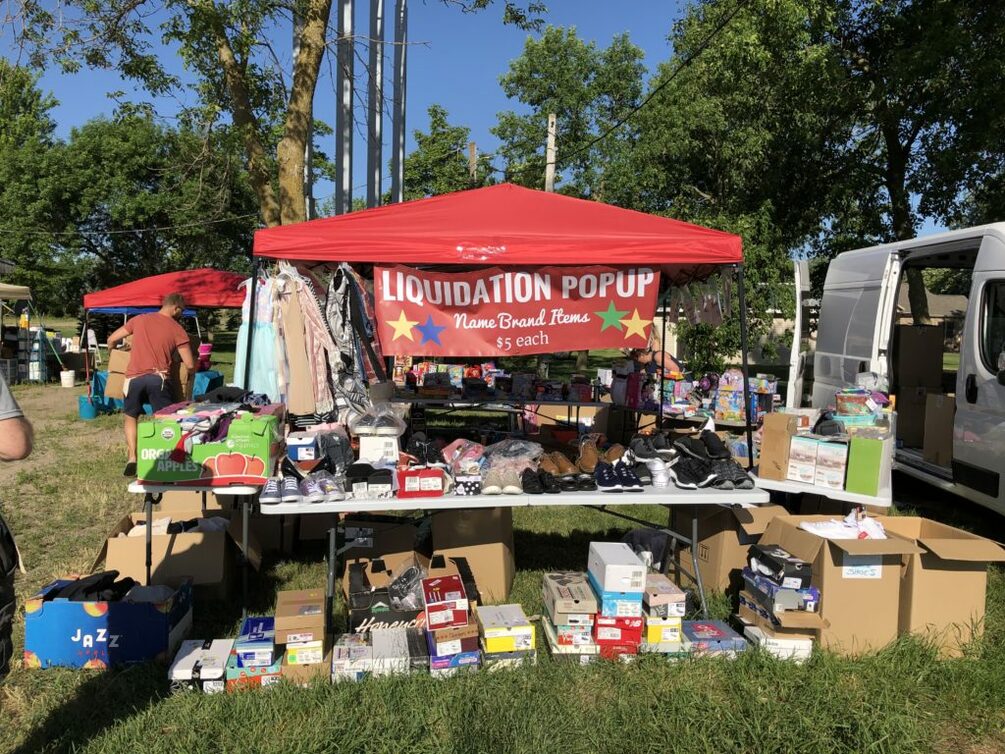
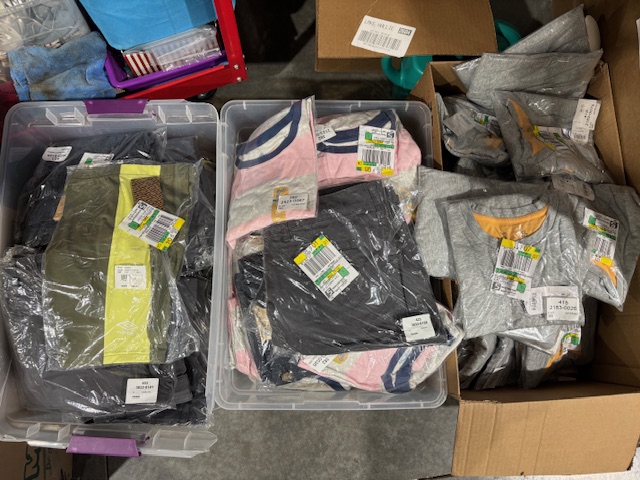
- Liquidation lots if you want to scale and lower your per-item cost
You’ll often find the best deals when people just want things gone. Bundles are where the hidden value lives.
What Actually Sells
Not everything is worth picking up. The goal is to focus on items that parents actively search for and buy quickly.
Look for things like:
- Well-known brands (Nike, Carter’s, Cat & Jack, Zara Kids)
- Everyday basics like pajamas, jeans, and school clothes
- Baby sizes, which tend to move the fastest
- Seasonal items like coats in fall or swimsuits in spring
It’s usually best to pass on anything heavily worn or stained. Even at low prices, those items are harder to sell and can hurt your reputation.
Bundling vs. Selling Individually
Your selling strategy matters just as much as what you buy. Bundling and individual listings both have their place.
Bundles work best when you want to move inventory quickly. They’re especially useful for mixed brands or everyday items. Selling individually makes more sense when you have higher-value pieces like name brands or new-with-tags items.
A simple way to think about it:
- Bundles = faster sales, less effort
- Individual listings = higher profit per item
Most successful resellers use a mix of both.
Where to Sell
Different platforms attract different types of buyers, so it helps to spread your listings around.
Popular options include:
- Poshmark for brand-name clothing and bundles
- Mercari for easy, quick listings
- eBay for reaching a larger audience
- Facebook Marketplace for local, no-shipping sales
- Kidizen for a niche kids’ clothing audience
If you want speed, local selling is hard to beat. If you want reach, online platforms give you more exposure.
Pricing for Profit
Pricing is where you lock in your margins. A good rule is to at least double your money after fees and expenses.
For example, if you’re buying items for $2 each, you might:
- Sell individually for $8 to $12
- Or bundle several pieces together for $30 to $50
Checking sold listings can help you stay competitive and avoid overpricing.
Creating Listings That Sell
A good listing builds confidence and answers questions before buyers even ask them.
Focus on:
- Clear, bright photos from multiple angles
- Accurate details about brand, size, and condition
- Honest notes about any flaws
- Simple, searchable titles like “toddler boy clothes size 4T bundle”
The easier you make it for someone to trust the purchase, the faster it will sell.
Growing This Into Real Income
Once you get consistent, it becomes easier to scale. Many resellers start small and then grow by increasing inventory and sourcing in bulk.
Ways to expand include:
- Buying liquidation lots to lower costs
- Cross-listing items on multiple platforms
- Building repeat customers as kids outgrow sizes
- Creating themed bundles like school clothes or seasonal sets
Over time, those small flips can stack into steady income.
Mistakes to Watch For
A few common mistakes can slow you down if you’re not careful.
- Paying too much for inventory upfront
- Holding onto items too long instead of pricing to sell
- Ignoring seasonality when listing items
- Listing everything individually and burning time
Keeping things simple and moving inventory consistently is usually the better play.
Final Thoughts
Reselling kids’ clothes isn’t about chasing trends or landing one big sale. It’s about steady, repeatable wins. Kids keep growing, parents keep buying, and that cycle keeps the opportunity alive.
If you stay focused on low costs, smart bundling, and consistent listings, this can turn into a dependable side hustle that grows with you over time.