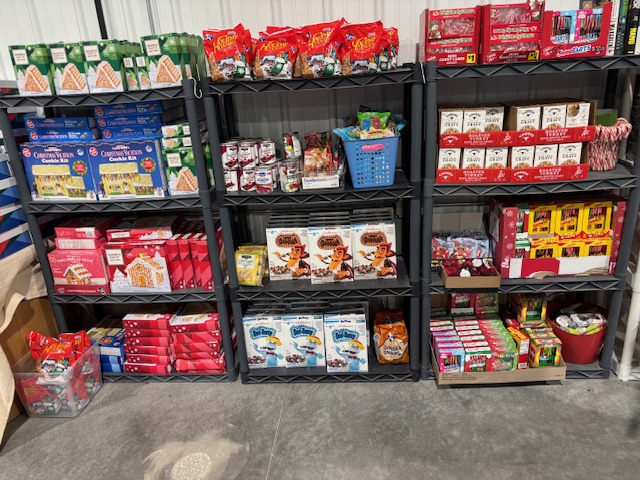

Salvage food sounds dramatic. Like dented cans rolling down a back alley somewhere. In reality, it’s one of the quietest corners of the discount economy and, when done right, it can lower grocery bills or even create resale profit.
But it’s not magic. It’s margin math.
Let’s talk about what salvage food actually is, where to buy it, and whether you can realistically make money from it.
What Is Salvage Food?
Salvage food is grocery inventory that can no longer be sold through traditional retail channels but is still legally eligible for resale. That can include:
- Short-dated items nearing their “best by” date
- Packaging changes
- Seasonal overstock
- Dented cans
- Damaged outer boxes
- Discontinued products
- Closeout inventory
Important distinction: “Best by” dates are not the same as expiration dates. Many shelf-stable products remain perfectly safe beyond their best-by window.
That said, regulations vary by state. Some items, like infant formula or certain refrigerated goods, often have stricter resale rules.
Salvage does not automatically mean unsafe. It usually means unsellable at full retail.

Where To Buy Salvage Food
Salvage food is typically sold through a few main channels.
Salvage Grocery Stores
These are brick-and-mortar discount grocery outlet stores that specialize in closeouts and short-dated inventory. Prices can be 30 to 70 percent below retail. You’ll often find name-brand cereals, snacks, canned goods, and even specialty products at steep discounts.
Inventory changes constantly. One week might be protein bars. The next week might be organic pasta sauce.
Regional Liquidators
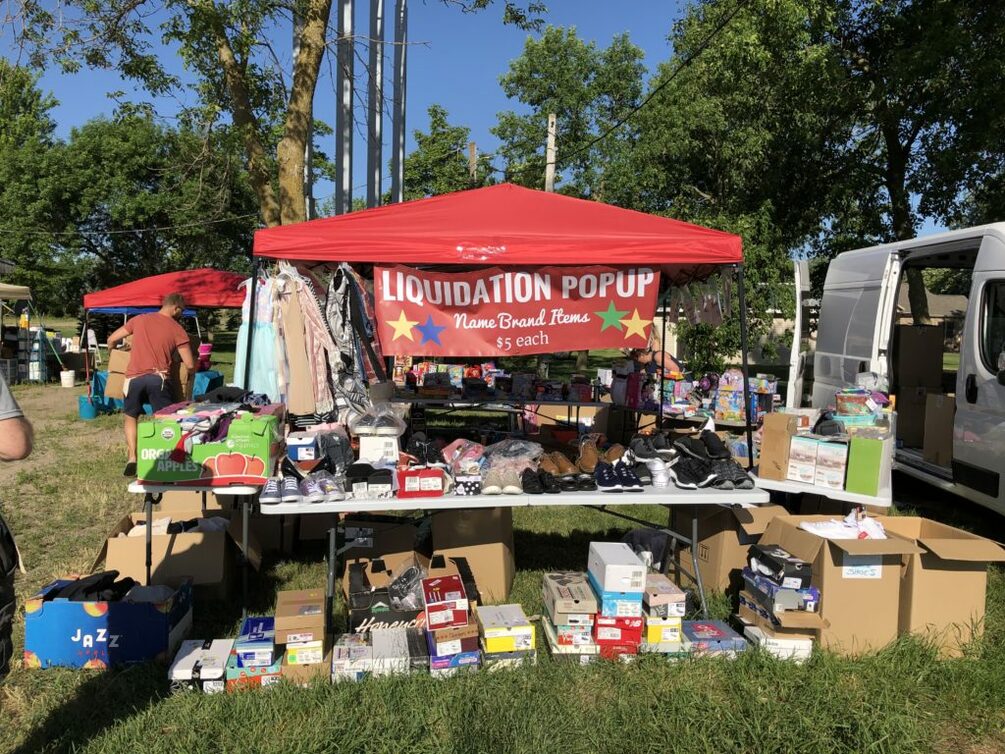
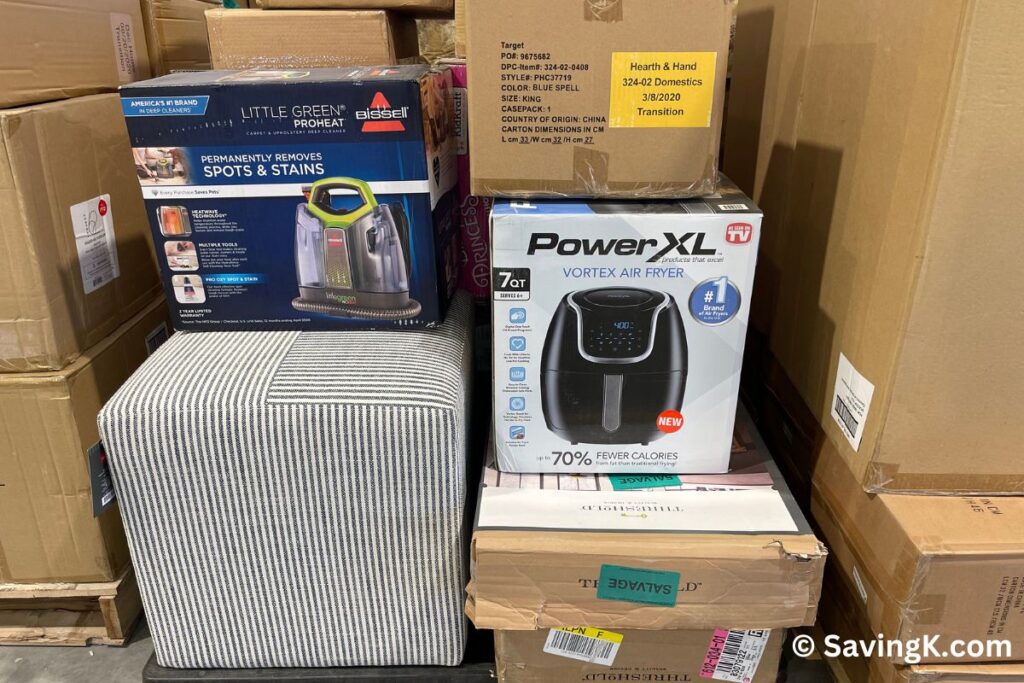
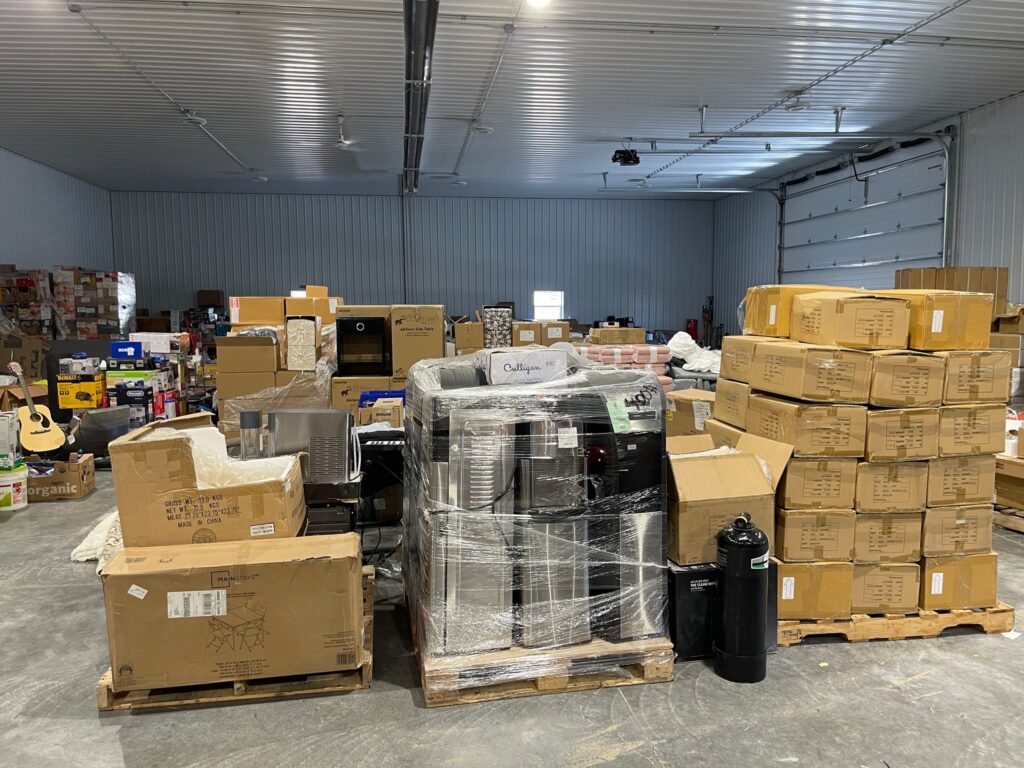
Some regional wholesalers sell food pallets to small stores, flea market vendors, or resellers. These are often mixed loads that require sorting and careful evaluation.
If you’re considering buying pallets, ask about:
- Date ranges
- Storage conditions
- Temperature-sensitive handling
- Return policies
Food is less forgiving than general merchandise. You need to be selective.
Direct Manufacturer Closeouts
Occasionally, manufacturers offload excess production or packaging-change inventory through liquidation channels. These opportunities are less common but can offer better quality control than mixed grocery salvage loads.
Can You Make Money on Salvage Food?
Yes. But not the way most people imagine.
You are not going to get rich selling dented soup cans one at a time online.
The profit typically comes from one of three strategies.
1. Retail Arbitrage Within Legal Boundaries
Some resellers purchase shelf-stable, legally resellable items and flip them locally at flea markets, discount liquidation stores, or through small retail spaces. Think bulk candy, specialty snacks, or discontinued flavors with strong demand.
Margins can be solid if:
- The items are still within safe resale windows
- You understand local health regulations
- You have consistent foot traffic
You must verify what is legally allowed in your state before reselling food products.
2. Running a Discount Grocery Model
Some entrepreneurs open small salvage grocery stores. They buy in volume, accept thinner margins per item, and make money on turnover.
This model works best in:
- Rural areas
- Price-sensitive communities
- Food desert regions
The business relies on volume and disciplined buying.
3. Personal Savings as “Profit”
For many families, the profit is simply grocery savings. Cutting your grocery bill by 40 percent over a year can free up thousands of dollars. That money can go toward debt payoff, investing, or business reinvestment.
In a way, salvage food can fund other income streams.
How To Evaluate Salvage Food for Profit
Before buying in bulk, consider:
Shelf life remaining. Even if safe, short windows limit resale speed.
Storage requirements. Heat-sensitive items can degrade quickly.
Brand demand. Recognizable brands move faster.
Packaging damage severity. Cosmetic dents are different from compromised seals.
Resale legality. Some states prohibit resale of certain categories entirely.
You should also factor in waste. Not everything will sell. Build that into your pricing model.
Risks You Should Know
Salvage food is not a passive side hustle.
You must:
- Inspect inventory carefully
- Understand food safety laws
- Rotate stock quickly
- Maintain clean storage
Improper handling can damage reputation and potentially create liability.
There is also volatility. Inventory is inconsistent. You cannot rely on the same products week after week.
That unpredictability is part of the model.
Is Salvage Food Worth It?
If you are organized, understand regulations, and treat it like a business rather than a gamble, salvage food can either reduce household expenses significantly or generate steady local cash flow.
The key is discipline.
Buy what you understand.
Avoid temperature-sensitive risk unless properly equipped.
Know your local resale laws.
Price based on speed, not fantasy margins.
Salvage food is not about flipping expired groceries for quick cash.
It’s about spotting undervalued inventory and moving it responsibly.
When done right, it’s less about scraps and more about strategy.