
Turn your soap-making skills into a profitable business.
Homemade soap isn’t just a fun and creative hobby. It can also be a surprisingly lucrative side hustle. With low startup costs and plenty of market demand for natural, handcrafted products, making and selling soap can help you bring in extra income or even build a full-time business. Whether you’re an experienced crafter or a total beginner, here’s how to get started and turn your soaps into cash.
1. Learn the Basics of Soap-Making
Before you start selling, it’s essential to master the craft. There are a few common soap-making methods to choose from:
- Cold Process: This method involves mixing lye with oils and allowing the soap to cure over several weeks. It produces long-lasting, customizable bars but requires patience and safety precautions.
- Melt and Pour: Great for beginners, this method uses pre-made soap bases. You simply melt, add scents or colorants, and pour into molds. It’s fast and easy but gives you less control over ingredients.
- Hot Process: Similar to cold process but “cooked” during saponification to speed up curing. It has a more rustic appearance and is ready to use sooner.
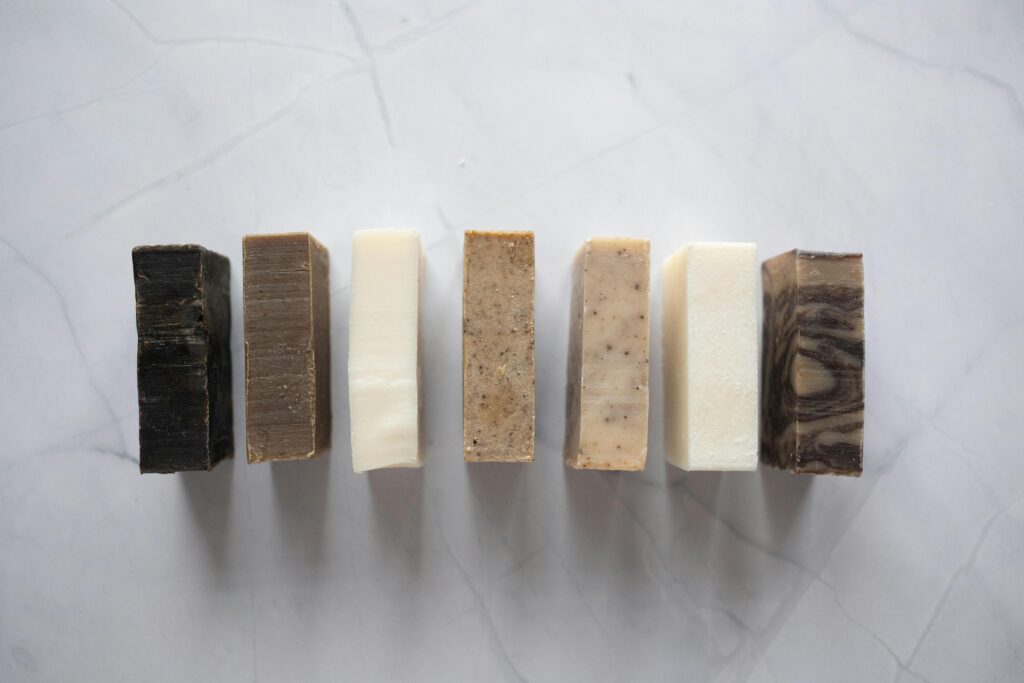
Try experimenting with different oils (like coconut, olive, and castor), exfoliants (like oatmeal or coffee grounds), and fragrances to find your signature blend. Also, always test your product to ensure it’s skin-safe and consistent in quality.
Pro Tip: Take a class or watch tutorials on YouTube to boost your confidence. Keep a recipe journal and note which combinations yield the best results.
2. Calculate Your Costs
Making money means knowing your numbers. Start by tracking every expense involved in creating each bar of soap:
- Ingredients: Base oils, lye, fragrance oils or essential oils, colorants, exfoliants, and any specialty additives like shea butter or goat milk.
- Equipment: Molds, thermometers, safety goggles, gloves, and mixing tools. These are mostly one-time purchases, but be sure to factor in wear-and-tear.
- Packaging: Boxes, labels, ribbons, or eco-friendly wraps—all of which affect your final price.
- Time: Don’t forget to account for your labor. Even if you love soap-making, your time is valuable.
Once you know your per-bar cost, price your soap to not only cover expenses but to include a reasonable profit margin, generally 50% or more.
Pro Tip: Bulk buying ingredients can help reduce your cost per bar, increasing your overall profits.
3. Create a Unique Brand
In a crowded marketplace, branding is everything. Your soap needs to stand out not only because of how it works, but how it looks, smells, and feels. Building a brand helps create loyal customers and gives your product a personality.
- Define your niche: Are you making vegan soap? Herbal soaps? Luxurious spa bars? Fun, quirky shapes for kids? Pick a theme and stick to it.
- Choose a name: Make sure it’s memorable, available (check domain name and social handles), and reflects your brand’s vibe.
- Design packaging: Your soap should be visually appealing, with clear labeling that includes ingredients, weight, and any skin safety info.
Pro Tip: Create a story around your brand, whether it’s sustainability, self-care, or family tradition. Shoppers connect with meaningful messages.
4. Start Small and Sell Smart
You don’t need a huge storefront to launch. Start by selling locally and online to get feedback and build a customer base:
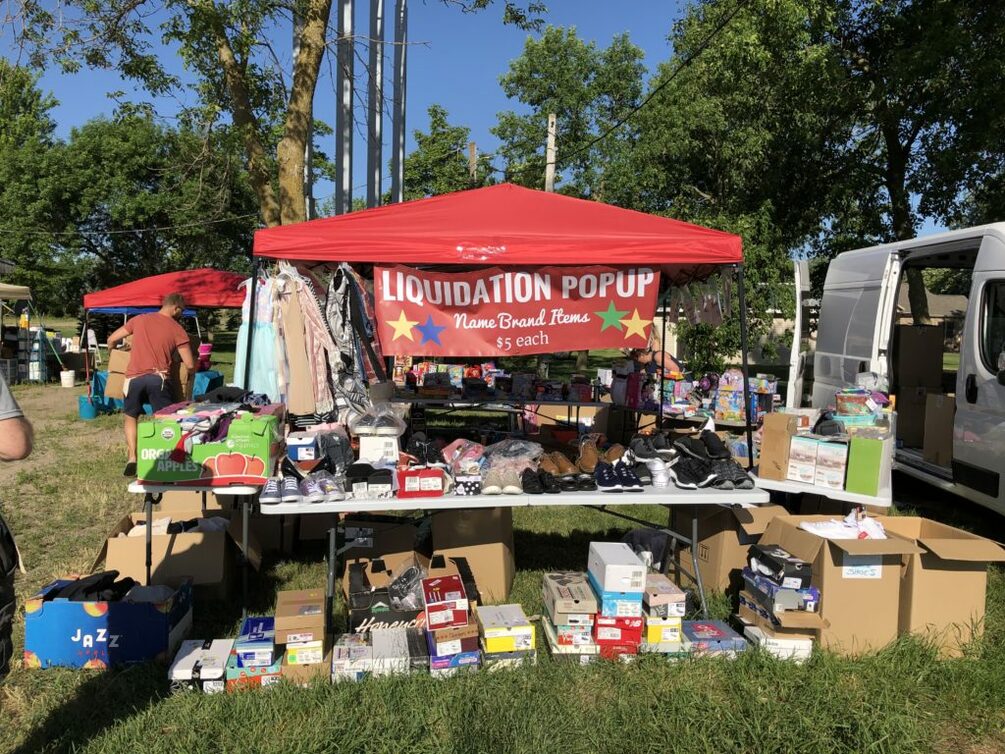
- Farmers Markets & Craft Fairs: These are excellent for getting face-to-face feedback and building word-of-mouth.
- Facebook Marketplace & Local Groups: Great for free local exposure.
- Etsy or Shopify: These platforms allow you to reach a national (or global) audience. Etsy has built-in search traffic, while Shopify offers full branding control.
- Consignment & Wholesale: Approach local salons, spas, or boutiques to carry your product on consignment or in bulk.
Test different types of soaps and see which ones are best-sellers before scaling up.
Pro Tip: Offer gift sets around holidays or events like Mother’s Day or weddings. These can command higher prices and drive more sales.
5. Get Legal
Running a legitimate business protects you and builds customer trust. Depending on your location, you may need:
- Business license or LLC for liability protection
- Sales tax permit to collect taxes (required in most U.S. states)
- Insurance (like general liability or product liability)
- FDA-compliant labeling: While soap is often exempt from cosmetic laws, anything making claims like “moisturizing” or “anti-aging” must follow FDA guidelines
Check with your state and local authorities or small business association to ensure you’re compliant.
Pro Tip: Keep meticulous records from day one including expenses, sales, and customer communications. It will help with taxes and if you scale later.
6. Market Your Soap Like a Pro
You don’t need a big budget to build a loyal following. Try these cost-effective ways to market your soap business:
- Social Media: Share behind-the-scenes videos, tutorials, and product shots on Instagram, Facebook, TikTok, and Pinterest.
- Website & Blog: Set up a basic website to showcase your story, shop, and customer reviews. A blog can drive organic traffic through SEO.
- Email List: Offer a free sample or discount code in exchange for emails, then stay in touch with promotions and updates.
- Collaborations: Partner with influencers or local businesses to reach new audiences.
Pro Tip: Beautiful photos are everything when selling a visual product like soap. Invest in good lighting or hire a product photographer once your business grows.
7. Scale Up Over Time
Once you’ve found your footing, consider expanding your soap empire:
- New Products: Add bath bombs, lotions, scrubs, beard balms, or candles.
- Wholesale: Supply other retailers with your soap at bulk pricing.
- Subscription Boxes: Offer a monthly box with seasonal scents or themes.
- Private Labeling: Make soaps for others to sell under their own brand.
When you’re ready, hire help or outsource production so you can focus on marketing and growing your business.
Pro Tip: Reinvest profits into your business instead of spending it right away. Buy better tools, streamline production, and build inventory ahead of peak seasons.
Final Thoughts
Making and selling homemade soap is more than just bubbles and bars. It’s a real business opportunity. With a small investment, a bit of creativity, and a lot of passion, you can turn your soap-making hobby into a successful stream of income. Whether you want to keep it as a side hustle or grow it into a full-time gig, there’s no limit to how far your soap business can go.