
Something interesting is brewing in the liquidation world… and it involves Staples stepping into territory that used to belong almost entirely to independent resellers.
What “Bin Wins” at Staples Really Means
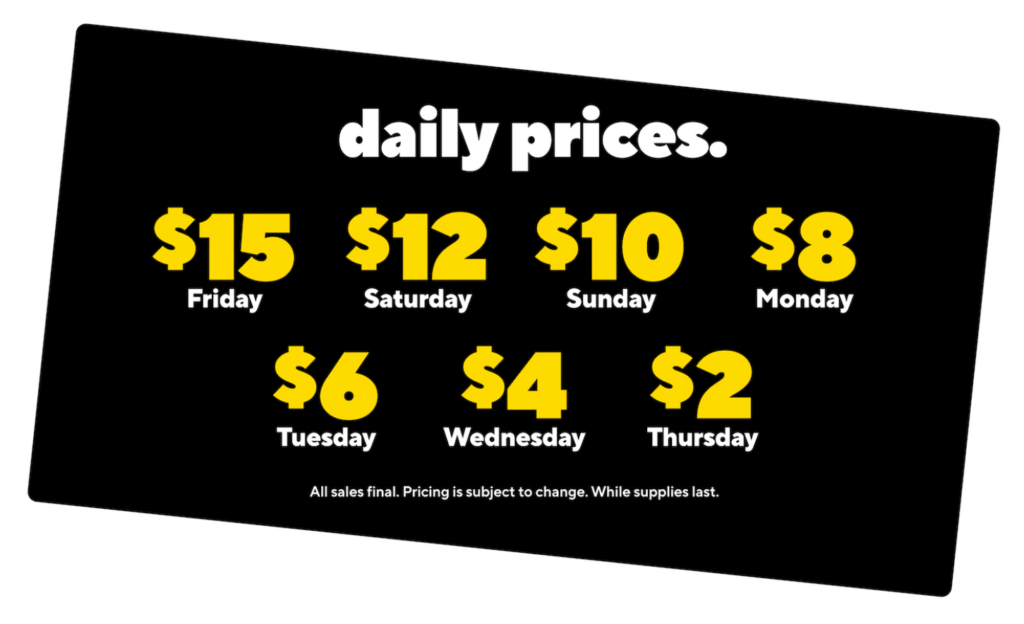
Staples has started testing a bin-store style shopping experience in select locations. If you’ve ever been to a liquidation bin store, you already know the vibe: large bins filled with mixed merchandise, heavily discounted, and constantly rotating inventory.

But here’s where it gets more interesting…
Staples has already been acting as a return drop-off location for Amazon. Now, with these bin-store pilots, it looks like they may be taking the next logical step:
- Accept the returns
- Process them locally
- Resell them directly in-store
That’s not just a test. That’s a potential shift in how returns are handled at scale.
Why This Matters (A Lot)
For years, returned products have taken a long, expensive journey:
- Sent back to warehouses
- Sorted, repackaged, or liquidated
- Resold through third-party channels
That process eats up time, labor, and money.
If Staples becomes both the drop-off and the resale point, it eliminates a huge chunk of that inefficiency. Products could go from return → resale faster, cheaper, and with fewer hands touching them.
Think of it like turning a slow-moving conveyor belt into a tight little loop.
The Bigger Signal for Resellers
This isn’t just about Staples testing something new. It’s a signal that major retailers are:
- Taking the returns problem more seriously
- Looking for ways to recover more value
- Trying to control the resale process in-house
And if this works?
Don’t expect it to stay small.
Retailers like Kohl’s (another major return partner for Amazon) could easily follow the same playbook. From there, struggling big-box stores might start reinventing themselves as:
- Return hubs
- Bin stores
- Or a hybrid of both
What This Means for the Liquidation Industry
Here’s the real headline:
The model that independent bin stores built… is now being tested by the big players.
For years, liquidation resellers proved there’s real demand for:
- Treasure-hunt shopping
- Deep discounts
- Mixed, unpredictable inventory
Now, companies like Amazon may be thinking:
“Why not keep more of that value ourselves?”
If large-scale retailers start doing this at volume, it could:
- Increase competition for inventory
- Change how liquidation supply flows
- Shift margins for independent resellers
Final Thoughts
Staples’ “Bin Wins” isn’t just a quirky test. It’s a glimpse at where retail might be headed.
A world where returns don’t disappear into warehouses…
but instead land right back on the sales floor, faster than ever.
For shoppers, it’s exciting.
For resellers, it’s something to watch closely.
Because the treasure hunt might be getting a whole lot more crowded.